✓ Registered Vet Practice
🚚 Fast UK-Wide Delivery, Including Northern Ireland
℞ Prescription & Non-Prescription Products
→ Need to upload a prescription?

Why Does My Dog Smell Bad?
Where the smell is coming from — and what to do about it.
Quick Answer
- Bad smell in dogs usually comes from one of four places: the ears, skin, anal glands, or mouth.
- A fishy smell often means the anal glands are full. A musty smell often points to a yeast infection on the skin.
- Bad breath can be a sign of dental disease — one of the most common health problems in adult dogs.
- A sweet or fruity smell on the breath can indicate diabetes. An ammonia-like smell may indicate kidney disease. Both warrant a prompt vet check.
- Rolling in fox poo or something dead is normal dog behaviour — but a persistent smell with no obvious cause needs investigating.
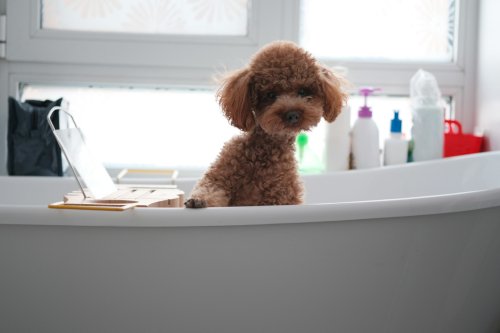
All dogs have a smell — that's just dogs. What's worth paying attention to is a new, persistent, or particularly unpleasant smell that doesn't wash off, or that seems to be coming from a specific part of the body. In most cases, the source of the smell points directly at the cause.
Where Is the Smell Coming From?
Mouth / Breath
Dental disease, gum infection, diabetes (sweet/fruity), kidney disease (ammonia-like), or something eaten.
Ears
Ear infection (bacterial or yeast). Often musty or sweet-sour. Usually accompanied by head shaking or scratching.
Rear / Tail Area
Full or infected anal glands (fishy smell). Tapeworm. Skin fold irritation around the tail in some breeds.
Coat / Skin
Yeast infection (musty), bacterial pyoderma, wet dog smell amplified by skin condition, or rolling in something.
Skin Folds
Common in wrinkled breeds. Moisture and friction in folds cause bacterial and yeast overgrowth with a sour smell.
Urine / Lower Body
Urinary tract infection, incontinence, or urine scalding of the coat. Can also indicate kidney or metabolic disease.
Common Causes of Bad Smell in Dogs
01 Full or Infected Anal Glands
The most frequent source of a fishy smell in dogs. Anal glands that haven't emptied properly produce a strong, unpleasant odour — sometimes very noticeable even at a distance. The dog may also scoot, lick the area, or seem uncomfortable sitting down. If the glands become infected and abscess, the smell intensifies and the area may be visibly swollen. Manual expression by a vet or vet nurse addresses the immediate problem; recurring issues warrant investigation into the underlying cause.
02 Yeast Skin Infection (Malassezia)
Malassezia yeast overgrowth on the skin produces a distinctive musty, corn-chip-like, or stale-popcorn smell. It tends to affect warm, moist areas — the ears, paws (between the toes), skin folds, belly, and groin. The smell is often accompanied by redness, greasy or flaky skin, and itching. Yeast infections on the skin are frequently secondary to an underlying allergy, and treating the infection alone without addressing the allergy typically leads to recurrence.
03 Ear Infection
Infected ears produce a noticeable smell — often sweet-sour or musty — that can be detected when close to the dog's head. It's usually accompanied by other signs such as head shaking, scratching at the ear, or visible redness and discharge. A smell from the ears without other obvious signs is still worth a vet check, as ear infections can be present without producing obvious external discharge in the early stages.
04 Dental Disease and Bad Breath
Periodontal disease — affecting the gums and structures supporting the teeth — is extremely common in adult dogs and produces a persistent, unpleasant smell from the mouth. Tartar builds up, gums become inflamed, and bacteria proliferate. The smell can range from generally unpleasant to genuinely foul. Many owners accept bad breath in dogs as normal; it usually isn't. A vet can assess the teeth and advise on whether a dental scale and polish or other treatment is needed. Regular toothbrushing with a dog-specific toothpaste is the most effective home prevention.
05 Skin Fold Infections
Breeds with prominent facial wrinkles or skin folds — including French Bulldogs, Bulldogs, Shar Peis, and Basset Hounds — are prone to moisture and friction accumulating in the folds, which creates ideal conditions for bacterial and yeast overgrowth. The resulting smell is often sour or musty and can be quite strong. Regular cleaning and drying of folds is important for these breeds, and any skin that looks red, raw, or inflamed in a fold needs veterinary attention.
06 Rolling in Something
Many dogs have an instinct to roll in strong-smelling substances — fox urine, decomposing animals, bird droppings, and worse. The exact reason for this behaviour isn't fully understood, though various theories exist. A thorough wash with a dog shampoo usually resolves the smell. The behaviour itself is normal, though consistently keeping dogs on leads in areas where they frequently find things to roll in is one practical approach.
07 Wet Dog Smell
The wet dog smell — familiar to most owners — comes from the combination of water, microorganisms, and natural skin oils on the coat. In a healthy dog it dissipates as the coat dries. A dog that always smells strongly even when dry, or whose wet smell is particularly unpleasant, may have a skin condition that's amplifying the effect. Underlying bacterial or yeast overgrowth on the skin can make the wet dog smell significantly worse than normal.
08 Sweet or Ammonia-Like Breath
Breath with a sweet or fruity quality can indicate uncontrolled diabetes. An ammonia-like smell — sometimes described as similar to urine — can indicate kidney disease, where the kidneys are no longer filtering waste products adequately.
A persistent unusual smell on the breath that isn't explained by something eaten needs a vet check. Both conditions are serious and manageable when caught early.09 Urinary Tract Infection
A UTI can produce a strong smell in the urine, and in dogs that dribble or have contact with their own urine, this can transfer to the coat around the lower body. Other signs include straining to urinate, frequent small amounts of urine, blood in the urine, and apparent discomfort. UTIs need veterinary diagnosis and antibiotic treatment.
Flatulence: Excessive or particularly foul-smelling wind is usually diet-related — certain ingredients, food changes, or eating too fast can all cause increased gas. Some dogs are more prone than others due to their digestive microbiome. Persistent flatulence alongside loose stools or weight changes is worth a vet check to rule out a gastrointestinal condition.
When to Contact Your Vet
- A fishy smell around the tail that doesn't go away — possible full or infected anal glands
- Smell coming from the ears, particularly alongside head shaking or scratching
- Persistent bad breath that isn't related to something eaten
- Sweet or fruity breath — possible diabetes
- Ammonia or urine-like smell on the breath — possible kidney disease
- A sour smell from skin folds that looks red or sore
- A new or worsening smell alongside other changes such as increased thirst, weight change, or lethargy
How Pet Med Direct Can Help
Pet Med Direct stocks a range of dog health products including ear care, skin care, and dental hygiene products. Some are available without a prescription. Prescription treatments for ear and skin infections require a valid veterinary prescription.
If your vet has diagnosed the underlying cause and recommended a specific product, browse the Pet Med Direct shop to check availability.
Some treatments require a valid veterinary prescription. Pet Med Direct can only supply prescription medicines after the prescription has been checked. Always follow your vet's advice and the directions on the medicine label.
Frequently Asked Questions
My dog smells fine after a bath but the smell comes back quickly. Why?
If the smell returns within a day or two of bathing, there's almost certainly an underlying cause rather than a hygiene issue. Yeast overgrowth on the skin, a skin infection, or an ear infection will continue to produce odour regardless of how often the dog is bathed. Frequent bathing can actually make skin problems worse by disrupting the skin's natural oils. A vet should identify what's driving the smell rather than just bathing more often.
Is bad breath in dogs normal?
Mild dog breath is normal. Persistent, genuinely unpleasant bad breath usually isn't — it's most commonly a sign of dental disease, which affects the majority of adult dogs to some degree. A vet can assess the teeth and advise on cleaning, scaling, or extraction if needed. Addressing dental disease improves quality of life considerably and reduces the risk of bacteria from the mouth affecting other organs.
Why does my dog smell worse in warm weather?
Warmth encourages bacterial and yeast growth on the skin, which makes any underlying skin condition smell more noticeably. Sweating and increased activity also contribute. If the smell is consistently worse in warm weather, it may reflect a seasonal allergy or a skin microbiome imbalance that worsens with heat and humidity. A vet can help identify whether treatment is appropriate.
Can I use human deodorant or perfume on my dog?
No. Human deodorants, antiperspirants, and perfumes contain ingredients that can irritate or be toxic to dogs — particularly if ingested through licking. Dog-specific grooming sprays are available, but these mask rather than solve the problem. If the dog has a persistent smell, the underlying cause needs identifying and treating rather than covering up.
My dog's breath smells sweet. Should I be concerned?
A sweet or fruity smell on the breath can be a sign of diabetes mellitus in dogs. Other signs of diabetes include increased thirst, increased urination, weight loss despite a normal or increased appetite, and lethargy. If you've noticed a sweet smell on the breath alongside any of these, contact your vet — diabetes in dogs is manageable with appropriate treatment.
How can I help prevent bad smells in my dog between vet visits?
Regular toothbrushing with dog-specific toothpaste is the single most effective thing for preventing dental smell. Routine ear checks and cleaning (if your vet recommends it for your dog) help with ear smell. For wrinkled breeds, keeping skin folds clean and dry reduces bacterial and yeast build-up. And keeping up with flea and worming treatment reduces the risk of anal gland-associated tapeworm smell. None of these replace veterinary assessment if something seems genuinely wrong.

Need pet products or prescription medicines? Visit the Pet Med Direct shop.
Shop Pet Med Direct