✓ Registered Vet Practice
🚚 Fast UK-Wide Delivery, Including Northern Ireland
℞ Prescription & Non-Prescription Products
→ Need to upload a prescription?

Why Is My Dog Shaking Its Head?
What's going on inside that ear — and what to do about it.
Quick Answer
- Occasional head shaking is normal. Repeated, persistent shaking nearly always points to an ear problem.
- Ear infections are the most common cause in dogs, and they're often linked to allergies, moisture, or the shape of the ear canal.
- A grass seed in the ear is a genuine emergency — it can migrate through the ear canal and cause serious damage if not removed promptly.
- If the ear flap looks swollen or puffy, your dog may have an aural haematoma — a blood-filled swelling that won't resolve without treatment.
- Don't attempt to clean or treat the ear at home before seeing your vet, especially if you're unsure what's causing the problem.
A dog that shakes its head once after a swim or a roll in the grass isn't cause for concern. But when the shaking is repeated, vigorous, or accompanied by scratching at the ear, tilting the head, or obvious discomfort, something specific is almost always going on.
The ear canal in dogs runs vertically before turning horizontally towards the eardrum — a shape that traps moisture and debris more easily than in humans, which is part of why ear problems are so common. Identifying the cause matters, because different problems need different treatments.
Breed note: Dogs with long, pendulous ears — such as Cocker Spaniels, Basset Hounds, and Labrador Retrievers — have reduced airflow into the ear canal and are particularly prone to ear infections. Dogs with very hairy ear canals, such as Poodles and Schnauzers, can also be more susceptible.
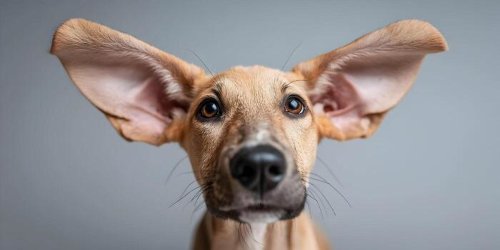
Common Causes of Head Shaking in Dogs
01 Ear Infection (Otitis Externa)
Infection of the outer ear canal is the most common reason dogs shake their heads repeatedly. These infections are usually bacterial, yeast-based (Malassezia is the most frequent culprit), or a combination of both. They're often triggered or worsened by underlying allergies, moisture in the ear, or the anatomy of the ear canal itself.
Signs alongside head shaking include redness and swelling inside the ear, an unpleasant smell, discharge that may be yellow, brown, or black, and obvious discomfort when the ear is touched. Ear infections need veterinary diagnosis and appropriate treatment — the type of treatment depends on the specific organism involved, and using the wrong product can make things worse.
02 Ear Mites
Ear mites (Otodectes cynotis) are more commonly associated with cats, but dogs can pick them up too — especially those that spend time around cats or other animals. They cause intense itching and produce a distinctive dark, dry, crumbly discharge that's often described as resembling coffee grounds.
Ear mites need specific treatment; they won't clear up on their own. Your vet can confirm the diagnosis and recommend an appropriate product.
03 Grass Seed or Foreign Body
This is particularly common in summer and autumn. Grass seeds — especially the arrow-shaped seeds from meadow grasses — can enter the ear canal during walks through long grass. They're barbed in a way that allows them to travel inward but not back out. Once in the canal, they cause immediate, intense discomfort and rapid inflammation. Left untreated, a grass seed can penetrate deeper into the tissue and cause serious infection or structural damage.
Sudden, severe head shaking after a walk through grass — especially with visible distress or pawing at the ear — needs same-day veterinary attention. Don't attempt to remove anything from the ear yourself.04 Water in the Ear
Swimming and bathing can leave water trapped in the ear canal, which often triggers head shaking as the dog tries to clear it. This is usually temporary and resolves on its own. However, moisture remaining in the ear canal creates conditions that favour infection — so dogs that swim frequently are at higher risk of developing ear infections over time. Ask your vet about safe ways to manage this if it's a recurring issue.
05 Allergies
Environmental allergies (atopic dermatitis) and food sensitivities can both cause inflammation in the ear canal, making it red, itchy, and prone to secondary infection. In dogs with allergies, ear problems often recur because the underlying cause hasn't been addressed. If your dog gets repeated ear infections, allergies are worth investigating with your vet — treating only the infection without addressing the allergy usually means the problem keeps coming back.
06 Wax Build-Up
Some dogs produce more ear wax than others, and in breeds with narrow or very hairy ear canals, wax can accumulate and cause irritation. Mild wax build-up may be managed with regular, appropriate ear cleaning — but your vet should guide you on how and how often. Cleaning too frequently, or using the wrong products, can disrupt the natural environment of the ear and cause more problems than it solves.
07 Polyps or Growths
Growths inside the ear canal — including inflammatory polyps and, less commonly, tumours — can cause persistent head shaking, discharge, and discomfort. These are more common in older dogs and need veterinary assessment. Your vet may recommend examination under sedation or imaging to get a clear picture of what's inside the canal.
08 Vestibular Disease
Vestibular disease affects the balance system and can cause head tilting, shaking, loss of coordination, and rapid involuntary eye movement (nystagmus). It can appear suddenly and look alarming — some dogs fall over or seem unable to stand. It's more common in older dogs and can be caused by middle or inner ear infections, but sometimes no obvious cause is found.
A dog that is shaking its head alongside head tilting, stumbling, or losing balance needs to be seen by a vet promptly.COMPLICATION TO KNOW ABOUT
Aural Haematoma — When the Ear Flap Swells Up
Repeated, vigorous head shaking can rupture small blood vessels inside the ear flap, causing blood to pool between the layers of cartilage and skin. The result is a soft, puffy, fluid-filled swelling on the inner or outer surface of the ear flap — sometimes the whole ear flap swells noticeably.
An aural haematoma will not resolve on its own without veterinary treatment. Without intervention, it may partially clot and harden, but this often results in permanent disfigurement of the ear flap (sometimes called a "cauliflower ear"). Treatment options include draining and bandaging, or surgical correction — your vet will advise on the most appropriate approach for your dog.
Importantly, the haematoma is a consequence of the head shaking, not the original cause. The underlying ear problem still needs to be identified and treated.
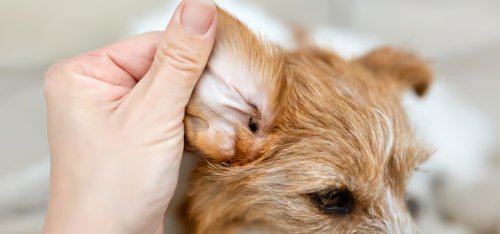
Signs to Look For Alongside Head Shaking
These signs can help you describe what you're seeing to your vet and give a clearer picture of what might be causing the problem:
- Scratching at one or both ears
- Redness or swelling inside the ear canal or on the ear flap
- Discharge — yellow, brown, black, or dark and crumbly
- An unpleasant smell coming from the ear
- Tilting the head consistently to one side
- Crying or flinching when the ear is touched
- Swollen or puffy ear flap (possible aural haematoma)
- Pawing at the face or rubbing the head on furniture or the ground
- Loss of balance, stumbling, or rapid eye movement (possible vestibular disease — contact vet promptly)
Contact Your Vet Same Day
- Sudden, severe head shaking after a walk through long grass — possible grass seed in the ear
- Your dog is in obvious pain or distress when touching or moving near the ear
- Head shaking is accompanied by stumbling, falling, or rapid eye movement
- There is bleeding from the ear
- The ear canal or flap looks severely swollen or inflamed
- Your dog is crying or yelping when the area is touched
Grass seeds in particular can cause rapid, serious damage. Same-day veterinary attention is needed — do not attempt to remove anything from the ear at home.
When to Contact Your Vet
- Head shaking has been going on for more than a day and doesn't seem to be settling
- The ear looks or smells abnormal in any way
- Your dog is scratching at the ear repeatedly
- You notice swelling on the ear flap — even if it seems mild
- Ear infections keep recurring — this is a sign something else, such as allergies, may be driving them
- You're uncertain whether it's safe to clean the ear at home
How Pet Med Direct Can Help
Pet Med Direct stocks a range of ear care products and treatments for dogs in the UK. Some ear cleaners and maintenance products are available without a prescription. Prescription ear treatments — such as those used for bacterial or yeast infections — require a valid veterinary prescription.
If your vet has diagnosed an ear condition and recommended a specific product, browse the Pet Med Direct shop to check availability. Never use an ear treatment without knowing what's causing the problem first — the wrong product can make some conditions worse.
Some ear treatments require a valid veterinary prescription. Pet Med Direct can only supply prescription medicines after the prescription has been checked. Always follow your vet's advice and the directions on the medicine label.
Frequently Asked Questions
Can I clean my dog's ear at home?
For routine maintenance, some vets do recommend periodic cleaning with an appropriate dog ear cleaner — but this depends on the individual dog. You should never attempt to clean an ear that is red, sore, smelly, or producing discharge without speaking to your vet first. If the eardrum is perforated — which is possible with infections — putting anything into the ear canal can cause serious harm. When in doubt, ask your vet before cleaning.
My dog keeps shaking its head after swimming. Is that normal?
Head shaking immediately after swimming is a normal response to water in the ears. If it settles quickly and the dog seems comfortable, this usually isn't cause for concern. If the shaking continues for more than a day, or if you notice smell, discharge, or discomfort, the ear may have become infected from the moisture — contact your vet.
What does ear mite discharge look like compared to an infection?
Ear mites typically produce a dark, dry, crumbly discharge that looks a bit like coffee grounds or dark powder. Bacterial infections more often produce a wet, yellow or brown discharge. Yeast infections can produce a darker brown, waxy discharge with a distinctive musty smell. These differences aren't always clear-cut, so your vet can take a sample and look at it under a microscope to confirm what's present.
My dog's ear flap looks puffy and swollen. What is that?
A swollen, fluid-filled ear flap is most likely an aural haematoma — a blood-filled pocket caused by blood vessels rupturing inside the ear flap, often from vigorous shaking or scratching. It won't resolve on its own without treatment and can lead to permanent ear deformity if left. Contact your vet; they can advise on the most appropriate treatment for your dog's situation.
My dog is shaking its head and seems unsteady on its feet. Should I be worried?
Yes — contact your vet promptly. Head shaking alongside loss of balance, stumbling, head tilting, or rapid involuntary eye movement suggests a problem with the balance system, which can be linked to inner or middle ear disease. Idiopathic vestibular disease — particularly common in older dogs — can look dramatic but is often not life-threatening. Either way, it needs proper assessment rather than a wait-and-see approach.
How can I prevent ear infections in my dog?
For dogs prone to ear infections, your vet may suggest periodic ear cleaning with an appropriate product, drying the ears carefully after swimming or bathing, and keeping hair around and inside the ear canal managed where relevant. If allergies are the underlying driver, managing those consistently is the most effective long-term preventative measure. Ask your vet for guidance tailored to your dog's specific situation.


Need pet products or prescription medicines? Visit the Pet Med Direct shop.
Shop Pet Med Direct