✓ Registered Vet Practice
🚚 Fast UK-Wide Delivery, Including Northern Ireland
℞ Prescription & Non-Prescription Products
→ Need to upload a prescription?

Why Is My Dog Vomiting?
What it could mean, when to act, and what to watch for.
Quick Answer
- A single vomiting episode in an otherwise well, alert adult dog isn't always a cause for immediate alarm — but watch closely.
- Common causes include eating too fast, dietary indiscretion, infections, worms, pancreatitis, and swallowed objects.
- Blood in vomit, suspected bloat, or possible poisoning are always emergencies. Call your vet without delay.
- Puppies and elderly dogs should be seen by a vet promptly if they're vomiting — don't take a wait-and-see approach.
- Repeated vomiting, or vomiting alongside other symptoms, always needs veterinary attention.
Dogs vomit. It's one of those things most dog owners will deal with at some point, and a single episode in an otherwise healthy adult dog isn't automatically cause for alarm. The problem is knowing when it is serious — and a few of the causes further down this page need urgent attention.
Vomiting vs Regurgitation
Not everything that looks like vomiting is vomiting. Regurgitation is a passive process: food or fluid comes back up without warning, usually without much retching, often very soon after eating. Vomiting is active — there's retching, abdominal effort, and the stomach contents are forcefully expelled. Both have different potential causes, so when you speak to your vet, describe what you actually observed rather than just saying "he was sick."

Common Causes of Vomiting in Dogs
Some of these are minor and pass quickly. Others need urgent attention. Read through all of them — and pay particular attention to the emergency section further down.
01 Eating Too Fast
Some dogs inhale their food without pausing. If your dog vomits shortly after finishing a meal and the food looks barely digested, eating too quickly is often the explanation. Slow-feeder bowls can reduce this, and splitting daily portions into smaller meals can also help. If it's happening regularly despite this, mention it to your vet to rule out other causes.
02 Eating Something They Shouldn't
Dogs eat things they shouldn't. Grass, rubbish, scraps, spoiled food, dead animals found on walks — these are all fair game as far as most dogs are concerned. A single vomiting episode after eating something unusual, followed by normal behaviour and a normal appetite, often settles without intervention. If the vomiting is repeated, the dog seems unwell, or you're unsure what was eaten, contact your vet.
03 Motion Sickness
Some dogs get carsick, particularly younger ones that haven't travelled much. Signs include drooling, restlessness, yawning, and vomiting during or after a journey. Keeping the car well-ventilated, taking short trips first, and avoiding feeding immediately before travel can help. If motion sickness is a recurring problem, your vet can advise on options.
04 Gastrointestinal Infection
Bacterial and viral infections can cause vomiting, usually alongside diarrhoea and lethargy. The severity varies considerably; some cases settle within a day or two, while others — particularly in puppies or older dogs — need prompt veterinary care. If your dog is getting worse, not drinking, or seems to be in pain, don't wait.
05 Intestinal Worms
A heavy worm burden can cause vomiting, especially in puppies. Regular worming treatment, following the schedule your vet recommends, is the standard way to prevent this. Puppies need more frequent worming than adult dogs. If you can see worms in the vomit or in your dog's faeces, contact your vet.
06 Pancreatitis
Inflammation of the pancreas is a recognised condition in dogs, and fatty food is a known trigger — including rich scraps, fatty cuts of meat, and certain human foods. Signs include vomiting, abdominal pain, lethargy, and a reduced appetite. It ranges from mild to severe, and all suspected cases need veterinary assessment.
07 Swallowed Object or Obstruction
If a dog has swallowed something that's blocking the digestive tract — a piece of toy, a bone fragment, a corn cob, an item of clothing — vomiting is often one of the first signs. Other signs include loss of appetite, abdominal swelling, and visible discomfort. A blockage can become life-threatening quickly and usually needs surgical intervention. If you think your dog may have swallowed something, contact your vet without delay.
08 Parvovirus
Parvovirus is serious. It causes severe vomiting and bloody diarrhoea, spreads easily between dogs, and can be fatal — particularly in puppies and unvaccinated dogs. UK vaccination programmes protect against it, which is one of the strongest reasons to keep vaccinations current. If your puppy is vomiting and isn't fully vaccinated, treat this as urgent and contact your vet straight away.
09 Toxin or Poison Ingestion
If a dog has eaten something toxic — chocolate, grapes, raisins, xylitol (a sweetener found in some sugar-free products and certain peanut butters), specific plants, human medications, or household chemicals — vomiting may be one of the first signs.
This is always an emergency. Call your vet or an animal poison helpline immediately. Do not wait for more symptoms to appear.10 Heat Stroke
Vomiting can be a sign of heat stroke, particularly after exercise in hot weather or after time in a hot car. Other signs include excessive panting, drooling, a high body temperature, disorientation, and in severe cases, collapse.
If you suspect heat stroke, move your dog to a cool area and call your vet immediately. Do not leave them in a hot environment.11 Bloat / Gastric Dilatation-Volvulus (GDV)
GDV occurs when the stomach fills with gas and twists on itself, cutting off blood supply. It is a life-threatening emergency that can kill within hours without treatment. Large and deep-chested breeds are at higher risk, but any dog can be affected.
Signs include repeated attempts to retch or vomit without bringing anything up, a visibly swollen or distended abdomen, excessive drooling, extreme restlessness, and obvious distress.
If you see any combination of these signs, call your vet or an emergency vet immediately. Do not wait to see if it improves.
Recurring or chronic vomiting: If your dog vomits repeatedly over days or weeks, or episodes keep coming back, this needs investigation. Conditions such as kidney disease, liver disease, and inflammatory bowel disease can all cause ongoing vomiting. This always warrants a thorough vet examination rather than ongoing management at home.
What to Note Before You Call Your Vet
Your vet will ask you questions. Having these details ready makes the call quicker and helps them advise you more accurately:
- How many times has your dog vomited, and over what time period?
- What did the vomit look like — undigested food, yellow bile, brown, or blood-tinged?
- When did the vomiting start?
- Has your dog eaten anything unusual, including plants, human food, or anything on a walk?
- Any other symptoms: diarrhoea, lethargy, abdominal swelling, or refusing food?
- Are vaccinations up to date?
- Any possible access to toxins, medications, or small objects they could have swallowed?
You don't need all of these answers — just note whatever you have. Even partial information is useful.
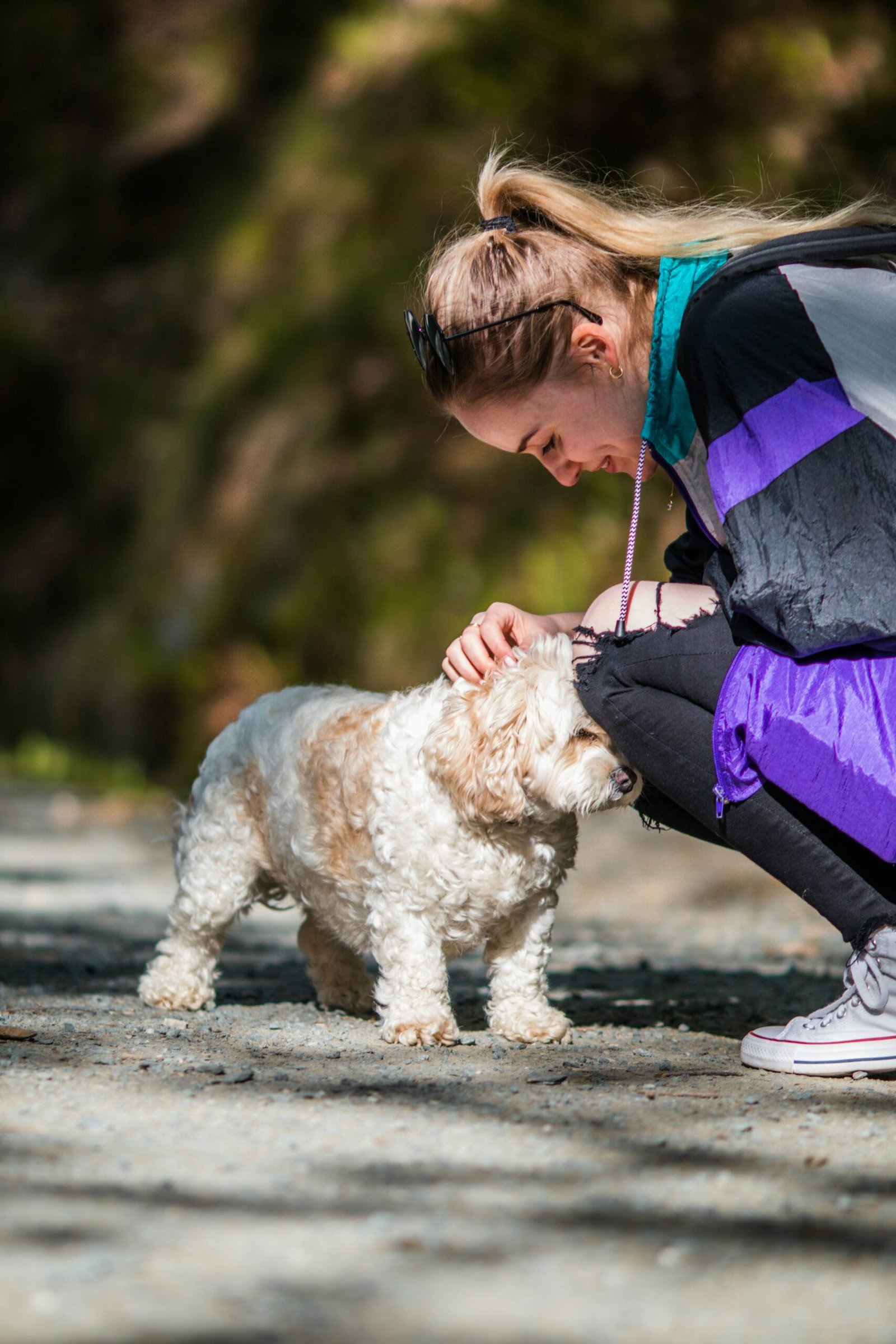
Call Your Vet Immediately If You See Any of These
- Blood in the vomit (red or dark brown/coffee-ground appearance)
- Signs of bloat or GDV: repeated retching with nothing coming up, a swollen abdomen, extreme distress or restlessness
- Known or suspected ingestion of a toxin, poison, medication, or dangerous plant
- Collapse, extreme weakness, or inability to stand
- Signs of severe pain: crying, hunching over, or guarding the abdomen
- Vomiting in a puppy that is not fully vaccinated (possible parvovirus)
- Suspected foreign body — dog may have swallowed a toy, clothing, bone, or other object
- Signs of heat stroke alongside vomiting: excessive panting, drooling, disorientation
These situations can deteriorate rapidly. Do not wait to see if things improve — call your vet or an emergency veterinary service straight away.
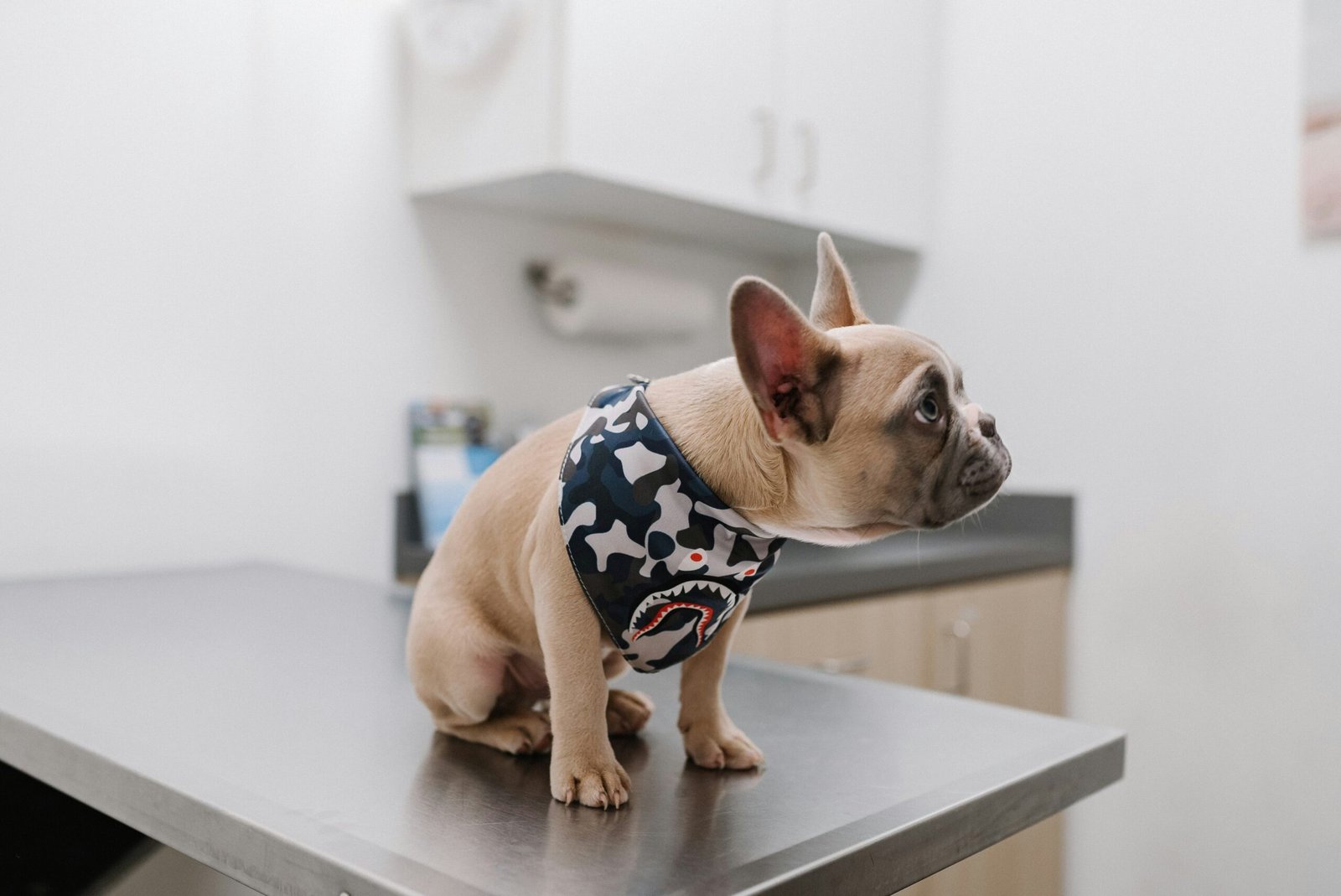
When to Contact Your Vet (Non-Emergency)
- Your dog has vomited more than two or three times in a short period
- The dog seems lethargic, in pain, or generally unwell
- Vomiting is occurring alongside diarrhoea, particularly if there's any blood
- Your dog isn't drinking — dehydration can develop quickly
- Your dog is a puppy or elderly — both groups need veterinary attention sooner rather than later
- Vomiting hasn't settled within 24 hours
- You're unsure what caused it and you're worried
How Pet Med Direct Can Help
Pet Med Direct supplies a range of pet health products for dogs in the UK. Some products for general digestive health and parasite prevention are available without a prescription and can be ordered directly from the shop.
If your vet has assessed your dog and recommended a specific prescription product, Pet Med Direct can supply it once a valid veterinary prescription has been received and checked. Always follow your vet's instructions and the product label directions.
Some pet medicines require a valid veterinary prescription. Pet Med Direct can only supply prescription medicines after the prescription has been checked. Always follow your vet's advice and the directions on the medicine label.
Frequently Asked Questions
My dog ate grass and vomited. Should I be worried?
Dogs frequently eat grass and sometimes vomit afterwards. It's a common behaviour and isn't fully understood, though it's generally considered normal rather than a sign of illness. If your dog seems well after a single episode, it's usually not cause for concern. If grass-eating and vomiting are happening repeatedly, or your dog seems unwell, speak to your vet.
What's the difference between vomiting and regurgitation?
Vomiting is an active process — your dog will retch, the abdomen will heave, and the stomach contents come up with effort. Regurgitation is passive: food or fluid comes back up without warning, often with no retching at all, and usually quite soon after eating. Describing exactly what you saw to your vet helps them assess the likely cause more accurately.
Can stress cause vomiting in dogs?
Stress and anxiety can cause nausea and vomiting in dogs. This is sometimes seen during car travel, after a change in routine, or in stressful situations like kennelling or fireworks. If vomiting linked to stress is a regular occurrence, your vet can discuss options.
My dog vomited once but seems completely fine now. Do I need to call the vet?
A single vomiting episode in an otherwise well, alert, and active dog isn't always a cause for immediate concern. Monitor closely for the next few hours. If your dog vomits again, seems unwell, stops drinking, or you're in any doubt at all, call your vet. For puppies or elderly dogs, err on the side of calling sooner.
What is GDV and how would I know if my dog had it?
Gastric dilatation-volvulus (GDV) is a condition where the stomach fills with gas and twists on itself. It progresses quickly and is fatal without emergency treatment. Signs include repeated retching without producing anything, a noticeably swollen abdomen, excessive drooling, restlessness, and clear distress. Large and deep-chested breeds such as Great Danes, German Shepherds, and Standard Poodles are at higher risk, but it can affect any dog. If you suspect GDV, call your vet or emergency vet immediately.
Is chocolate dangerous for dogs?
Chocolate contains theobromine, which dogs can't metabolise the way humans do. It can cause vomiting, diarrhoea, tremors, and in serious cases, seizures and heart problems. The darker the chocolate, the higher the theobromine content. If your dog has eaten any amount of chocolate, contact your vet promptly — don't wait for symptoms to appear.


Need pet products or prescription medicines? Visit the Pet Med Direct shop.
Shop Pet Med Direct