











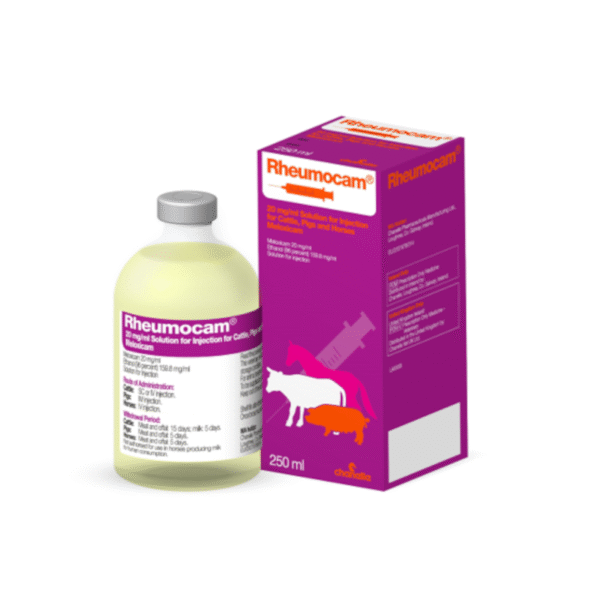
Rheumocam 20 mg/ml injection for cattle pigs and horses
PRESCRIPTION NEEDED (Pom-V)
Rheumocam 20 mg/ml injection for cattle pigs and horses is a POM-V non-steroidal anti-inflammatory drug (NSAID) containing meloxicam. It is used under veterinary supervision to relieve pain and reduce inflammation in approved conditions affecting cattle, pigs and horses.
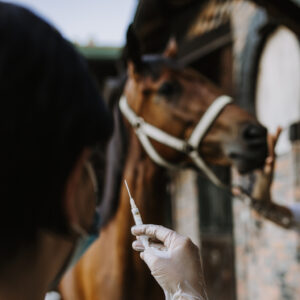
The product is supplied as a 100ml multidose vial for injection and must only be administered by a veterinary surgeon or by someone acting on their instructions. Your vet will decide the appropriate dose, route and length of treatment for each animal or group, taking into account species, weight and clinical status.
Key points:
-
POM-V meloxicam solution for injection
-
For use in cattle, pigs and horses as prescribed by a vet
-
Used to relieve pain and inflammation in approved conditions
-
20 mg/ml strength supplied in a 100ml vial
-
Dose, route and course length always set by the veterinary surgeon
Only 1 left in stock
Rheumocam 20 mg/ml injection for cattle pigs and horses
Rheumocam 20 mg/ml injection for cattle pigs and horses
PRESCRIPTION NEEDED (Pom-V)
Rheumocam 20 mg/ml injection for cattle pigs and horses is a prescription only (POM-V) non-steroidal anti-inflammatory drug (NSAID) containing meloxicam. It is used by veterinary surgeons to help manage pain and inflammation associated with specific conditions in cattle, pigs and horses, in line with the product’s licensed indications.
Pain and inflammation can arise from a variety of problems, including musculoskeletal conditions, soft tissue injuries and certain post-operative or systemic disorders. These issues can have a major impact on animal welfare, mobility, appetite and productivity. Rheumocam 20 mg/ml injection for cattle pigs and horses is one of the medicines a vet may choose as part of a wider treatment plan to improve comfort while the underlying cause is investigated and addressed.
Rheumocam 20 mg/ml injection for cattle pigs and horses is presented as a sterile injectable solution in a 100ml multidose vial. It is intended for administration by injection only and must not be given orally. Your vet will determine the correct dose in mg per kg bodyweight for each species, convert this to a suitable injection volume and decide on the recommended injection route according to the product data sheet and the individual animal’s needs.
Because Rheumocam is a POM-V medicine, it can only be supplied on a veterinary prescription and must be used under direct veterinary supervision. Your vet will examine the animal or group, take a history and, where necessary, recommend further tests before deciding that an NSAID such as meloxicam is appropriate. They will also consider any other diseases, pregnancy status, concurrent medicines and farm or competition requirements before prescribing.
Rheumocam 20 mg/ml injection for cattle pigs and horses works by inhibiting enzymes involved in the inflammatory cascade. This helps to reduce swelling, heat and pain in affected tissues. It does not cure the underlying cause on its own, but it can significantly improve comfort and recovery when used alongside other treatments such as antibiotics (where indicated), rest, wound management, hoof care or supportive therapy.
While animals are receiving Rheumocam 20 mg/ml injection for cattle pigs and horses, your vet may recommend follow-up checks to monitor response to treatment. They may assess:
-
Changes in lameness, swelling or mobility
-
Appetite, demeanour and general behaviour
-
Progress of any wounds or surgical sites
-
Overall herd or group performance in farm animals
If you are concerned that animals are not improving as expected, or if you notice new or worsening signs, you should contact your vet promptly rather than altering treatment yourself.
Like all NSAIDs, Rheumocam 20 mg/ml injection for cattle pigs and horses can occasionally cause side effects. Not every animal will experience problems, but your vet will weigh the potential benefits and risks before prescribing and will explain what to look out for. You should seek veterinary advice quickly if you notice worrying changes such as persistent inappetence, dullness, signs of gut upset or any other unexpected symptoms after treatment.
For food-producing species such as cattle and pigs, Rheumocam 20 mg/ml injection for cattle pigs and horses is supplied with legally defined withdrawal periods for meat and, where applicable, other products. These withdrawal times must be followed exactly to ensure residues in food remain within legal limits. Your vet will confirm the correct withdrawal periods and you should keep accurate treatment records in line with legislation and farm assurance requirements.
In horses, competition rules and, where relevant, food-chain status must also be considered. Your vet can advise you on competition withdrawal times and whether your horse has been declared as not for human consumption, which affects how medicines can be used and recorded.
Rheumocam 20 mg/ml injection for cattle pigs and horses should be stored and handled according to the instructions on the product label. In general, the vial should be kept in its original packaging, at the recommended temperature, protected from light and out of sight and reach of children. Any in-use shelf life after first broaching the vial must be observed, and unused product discarded safely once this time has passed.
People handling Rheumocam 20 mg/ml injection for cattle pigs and horses should wash their hands after use and follow the safety advice on the package leaflet. Accidental self-injection or contact with the product should be managed according to the label guidance, and medical advice sought where needed, with the product information available for reference.
Used responsibly as part of a comprehensive management plan designed by your vet, Rheumocam 20 mg/ml injection for cattle pigs and horses can play an important role in relieving pain and inflammation and supporting welfare and recovery in cattle, pigs and horses.
| Weight | 0.25 kg |
|---|
Related products
-
 Prescription Required
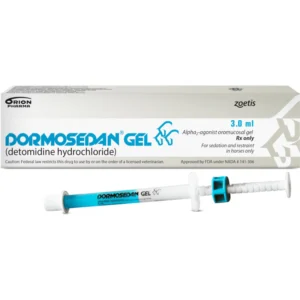
Domosedan Gel 7.6 mg/ml oromucosal gel for horses
£48.00 incl. VAT£40.00 excl. VAT -
 Prescription Required
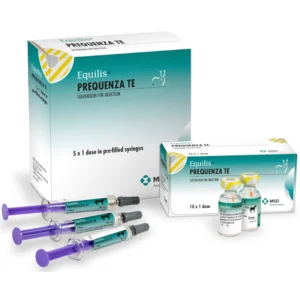
Equilis Prequenza Te vaccine for horses
£163.00 incl. VAT£135.83 excl. VATSelect options This product has multiple variants. The options may be chosen on the product page -
 Prescription Required
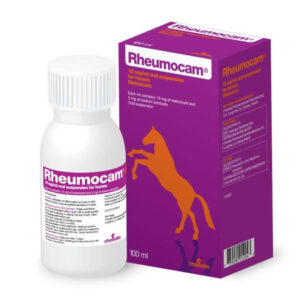
Rheumocam 15 mg/ml oral suspension for horses
£24.00 incl. VAT£20.00 excl. VATSelect options This product has multiple variants. The options may be chosen on the product page -
 Prescription Required
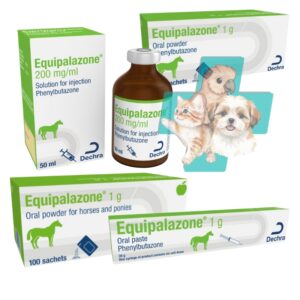
Equipalazone
£39.00 incl. VAT£32.50 excl. VATSelect options This product has multiple variants. The options may be chosen on the product page