✓ Registered Vet Practice
🚚 Fast UK-Wide Delivery, Including Northern Ireland
℞ Prescription & Non-Prescription Products
→ Need to upload a prescription?


£25.00 Inc VAT
Prescription Required
NI + GB Wide Postage Available
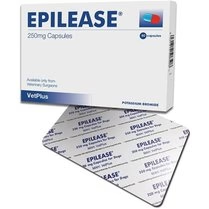
Epilease 250mg Capsules for Dogs – 60 Capsules
PRESCRIPTION NEEDED (Pom-V)
Epilease 250mg Capsules contain potassium bromide for use alongside phenobarbital in dogs with refractory epilepsy that is not adequately controlled by phenobarbital alone. Administer orally with food and monitor serum bromide levels as directed by the veterinary surgeon. Supplied as 60 capsules. POM-V.
Ordering This Prescription Medicine
A valid veterinary prescription is required before dispatch.
- Add the medicine, strength and quantity shown on your prescription to your basket.
- Upload your prescription at checkout, or send it to us afterwards by email.
- Complete checkout — we’ll verify your prescription before dispatch.
All orders require review by a licensed veterinarian.
Please allow 1–2 working days for processing.
£25.00incl. VAT
In stock
Epilease 250mg Capsules for Dogs – 60 Capsules
Epilease 250mg Capsules for Dogs – 60 Capsules
PRESCRIPTION NEEDED (Pom-V)
What are Epilease 250mg Capsules?
Epilease 250mg Capsules are a prescription veterinary medicine for dogs containing 250mg potassium bromide per capsule. They are used as an additional anti-epileptic treatment alongside phenobarbital in dogs with refractory epilepsy.
Refractory epilepsy describes seizure disorders that remain inadequately controlled despite appropriate phenobarbital treatment. Adding potassium bromide may help improve seizure control by increasing the seizure threshold and supporting the inhibitory effects of phenobarbital within the nervous system.
Epilease is not generally intended to replace phenobarbital. It is prescribed as an adjunct treatment and should only be started, adjusted or discontinued under veterinary supervision.
What is Epilease used for?
Epilease is indicated for use as an adjunct to phenobarbital in refractory cases of epilepsy in dogs. It may be considered when a dog continues to experience seizures despite appropriate phenobarbital treatment or when improved control is needed without excessively increasing the phenobarbital dose.
Successful epilepsy management normally involves more than simply administering medication. Owners should keep accurate seizure records, give every dose consistently and attend regular veterinary appointments for blood testing and clinical assessment.
How does potassium bromide work?
Potassium bromide is an anticonvulsant. Once absorbed, the bromide ion competes with chloride and alters electrical activity across nerve cell membranes. This makes neurons less likely to produce or spread abnormal electrical discharges that can lead to seizures.
Bromide also works synergistically with medicines that affect the GABA system, including phenobarbital. This complementary action is why Epilease is used as an adjunct treatment in dogs whose seizures remain difficult to control.
Potassium bromide has a very long half-life in dogs. It may take several weeks or months for stable blood concentrations to develop, so treatment response should not be judged too quickly.
Dose and administration
Epilease is for oral use and should be administered with food. Giving the capsules with food helps reduce the likelihood of gastrointestinal irritation and vomiting.
The authorised initial dose is 15mg potassium bromide per kilogram of bodyweight twice daily, equivalent to a total daily dose of 30mg/kg. The actual dose required can vary considerably between dogs and should be individually adjusted by the prescribing veterinary surgeon.
The capsules must be swallowed whole. They should not be broken, opened or divided.
Dogs weighing under approximately 16.67kg cannot be accurately dosed at the recommended initial rate using 250mg capsules alone. Use in smaller dogs therefore requires a veterinary benefit-risk assessment and may require a different formulation or dosing approach.
Monitoring during treatment
Regular monitoring is an essential part of potassium bromide therapy. Serum bromide concentrations should normally be checked during the early stages of treatment, commonly at approximately:
- 4 weeks after starting treatment
- 8 weeks after starting treatment
- 12 weeks after starting treatment
- periodically thereafter, according to clinical need
When Epilease is used with phenobarbital, the expected therapeutic serum bromide concentration is generally between 800 and 2,000 micrograms per millilitre. Blood results must always be interpreted alongside seizure frequency, treatment response and any adverse effects.
Long-term monitoring may include bromide and phenobarbital concentrations, kidney function, liver assessment and review of the dog’s seizure diary.
Diet and salt intake
Dietary consistency is particularly important during potassium bromide treatment because chloride and bromide compete for reabsorption by the kidneys.
A sudden increase in salt or chloride intake can increase bromide elimination and reduce blood bromide concentrations, potentially allowing seizures to return. A sudden reduction in dietary chloride can increase bromide concentrations and raise the risk of bromide toxicity.
The dog does not necessarily need a low-salt diet, but its normal diet and salt intake should remain as stable as possible. Owners should seek veterinary advice before changing food, treats, supplements or prescription diets.
Important precautions
Epilease should not be stopped suddenly. Abrupt discontinuation may trigger an increase in seizure activity.
Do not use in dogs with severe renal insufficiency. The medicine should be used cautiously in dogs with mild or moderate renal impairment because bromide is eliminated through the kidneys. These dogs may require a reduced dose and more frequent blood monitoring.
Administration on an empty stomach may cause vomiting, so the capsules should always be given with food.
Epilease is for dogs only. Potassium bromide may cause potentially severe adverse effects in cats.
Possible adverse effects
Common adverse reactions can include:
- sleepiness or excessive sedation
- loss of coordination or hind-limb weakness
- increased thirst
- increased urination
- nausea or vomiting
- pancreatitis
- red, irritated or flaky skin known as bromide rash
Behavioural changes such as restlessness or irritability are reported less commonly.
Some adverse effects are more likely when bromide levels are high. If a dog becomes unusually sedated, weak, uncoordinated or unwell, the veterinary surgeon may check both bromide and phenobarbital concentrations before adjusting treatment.
Bromide toxicity
Excessive bromide levels may cause bromism. Signs may include marked sedation, loss of coordination, nausea, vomiting, weakness and pancreatitis.
Dogs with renal impairment or those receiving excessive doses are at greater risk. Suspected toxicity requires prompt veterinary assessment and serum bromide measurement. Treatment may involve reducing the dose and, in significant cases, intravenous sodium chloride under veterinary supervision.
Medicine interactions
Changes in chloride intake can alter serum bromide concentrations. Loop diuretics such as furosemide may increase bromide excretion and reduce treatment effectiveness. Fluids or medicines containing chloride can also lower bromide concentrations.
Potassium bromide works synergistically with phenobarbital and other medicines affecting the GABA system, which can increase sedation or other nervous-system effects.
The veterinary surgeon should be informed of all medicines, supplements and dietary products being given.
Pregnancy and lactation
Epilease should not be used in pregnant or lactating bitches because adequate safety has not been established.
Handling precautions
Do not break, open or divide the capsules. The capsule contents may irritate the skin and can cause itching, redness, peeling or a rash.
Wash hands thoroughly after administering the medicine. People with a known bromide sensitivity should avoid handling the product.
If a capsule breaks and the contents contact the skin, wash the area immediately with plenty of water. Accidental human ingestion requires urgent medical advice.
Storage
Store below 25°C in the original packaging. Keep out of sight and reach of children and animals.
Pack size
Epilease 250mg is supplied as:
- 2 blister strips containing 30 capsules each
- Total pack size: 60 capsules
Legal category
POM-V – Prescription Only Medicine, Veterinarian.
This medicine requires a valid veterinary prescription.
Download the datasheet here
View the manufacturer’s website here
| Weight | 0.2 kg |
|---|
You may also like…
 Prescription Required
Furosemide Tablets 20mg 1×28
£6.24 Inc VAT
Related products
 Prescription Required
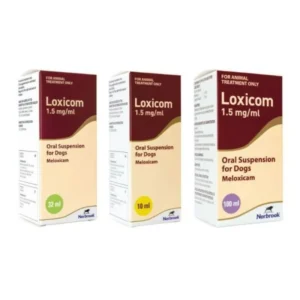
Loxicom 1.5 mg/ml Oral Suspension for Dogs
Price range: £6.00 through £28.00 Inc VATSelect options This product has multiple variants. The options may be chosen on the product page
Vomend Solution for Dogs and Cats
Price range: £21.00 through £35.00 Inc VATSelect options This product has multiple variants. The options may be chosen on the product page Prescription Required
Optimmune Eye Ointment
£57.17 Inc VAT Prescription Required
Cyclavance
Price range: £50.00 through £152.00 Inc VATSelect options This product has multiple variants. The options may be chosen on the product page