- Shop
- Dogs
-
-
Dog Menu
-
-
- Cats
-
-
Cat Menu
-
-
- Small Furries
-
-
Small Furries Menu
-
-
- Equine
-
-
Equine Menu
-
-
- About Us
- Contact Us


Price range: £1.04 through £49.00 Inc VAT
Prescription Required
NI - Only Postage
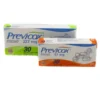
Previcox Tablets for Dogs 57mg & 227mg
PRESCRIPTION NEEDED (Pom-V)
Previcox tablets for dogs are a prescription-only non-steroidal anti-inflammatory drug (NSAID) containing firocoxib. They are used to relieve pain and inflammation in dogs, most commonly associated with osteoarthritis and other musculoskeletal conditions, and may also be used to control post-operative pain as directed by your vet.
Previcox comes as flavoured chewable tablets in two strengths, 57mg and 227mg, so your vet can choose the most appropriate dose based on your dog’s bodyweight. As an NSAID, Previcox must only be given under veterinary supervision and exactly as stated on your dog’s prescription, with regular check-ups for longer courses.
Key points:
-
Prescription-only (POM-V) NSAID for dogs
-
Active ingredient: firocoxib
-
Used to relieve pain and inflammation (e.g. osteoarthritis, post-op pain)
-
Flavoured tablets in 57mg and 227mg strengths
-
Give by mouth exactly as directed by your vet
Available in 57mg & 227mg tablets
Previcox Tablets for Dogs 57mg & 227mg
PRESCRIPTION NEEDED (Pom-V)
Previcox tablets for dogs 57mg & 227mg – prescription pain relief and anti-inflammatory
Previcox tablets for dogs contain firocoxib, a non-steroidal anti-inflammatory drug (NSAID) from the coxib group. They are designed to relieve pain and reduce inflammation in dogs, particularly in conditions such as osteoarthritis, where chronic joint pain and stiffness can affect mobility and quality of life. Previcox may also be prescribed for short-term control of post-operative pain and inflammation after certain types of surgery, depending on your vet’s advice.
By reducing painful inflammation in joints and soft tissues, Previcox can help your dog move more comfortably, rest better and return to a more normal level of activity.
What Previcox tablets for dogs are used for
Your vet may prescribe Previcox tablets for dogs to:
-
Manage pain and inflammation associated with osteoarthritis and other chronic joint problems
-
Relieve pain and inflammation from musculoskeletal injuries
-
Help control post-operative pain and inflammation following soft tissue or orthopaedic surgery in dogs, if licensed and appropriate
Exactly how Previcox is used (dose, duration and whether it is used alone or with other medicines) will depend on your dog’s diagnosis and general health.
Strengths and presentation
Previcox tablets for dogs are usually palatable, chewable tablets to make dosing easier. They are available in two strengths:
-
Previcox 57mg tablets for dogs
-
Previcox 227mg tablets for dogs
Your vet will calculate the correct dose based on your dog’s weight, often expressed as mg per kg, and choose the appropriate strength or a combination of tablets to reach that dose. Some tablets are scored so they can be divided; only split tablets if your vet or the package leaflet says this is acceptable.
How Previcox works
Firocoxib, the active ingredient in Previcox tablets for dogs, is a COX-2 selective NSAID. NSAIDs work by reducing the production of prostaglandins – substances that contribute to pain, inflammation and fever. By preferentially targeting the COX-2 enzyme, firocoxib aims to:
-
Decrease inflammation in affected joints or tissues
-
Reduce pain, making movement and rest more comfortable
-
Help improve mobility and general wellbeing
Because of its selectivity, Previcox is designed to reduce the risk of some side effects associated with older, non-selective NSAIDs, but all NSAIDs still need careful use and monitoring.
How Previcox tablets for dogs are given
Previcox tablets for dogs are given by mouth once daily, usually at the same time each day. Your vet will provide exact dosing instructions, including whether to give with food or on an empty stomach (many vets recommend giving NSAIDs with food to help reduce the chance of stomach upset).
General guidance (always follow your vet’s instructions and the package leaflet):
-
Give the exact dose prescribed for your dog’s weight and condition
-
Use the appropriate tablet strength or split tablets only as directed by your vet
-
Try to give the dose at roughly the same time each day for consistent effect
-
Do not exceed the prescribed dose or give more frequently than advised
-
If you miss a dose or your dog does not receive the full dose (for example, spits out a tablet), contact your vet for advice before giving more
In chronic conditions like osteoarthritis, Previcox is often used long term, with regular veterinary check-ups to monitor your dog’s progress and overall health.
Monitoring and check-ups
NSAIDs are very useful medications, but they can occasionally affect the stomach, intestines, kidneys or liver. For dogs receiving Previcox for more than a short course, your vet will usually recommend:
-
Regular clinical check-ups to assess pain, mobility, appetite and general health
-
Periodic blood tests to monitor kidney and liver function, especially in older dogs or those with existing conditions
-
Review of any other medications your dog is on, to minimise risk of interactions
You should keep a close eye on your dog after starting Previcox and report any changes that concern you.
Safety, contraindications and precautions
Previcox tablets for dogs are not suitable for every dog. They must only be used under veterinary supervision. In general, Previcox should not be used in:
-
Dogs with known hypersensitivity to firocoxib or any other NSAID
-
Dogs with existing stomach or intestinal ulcers or bleeding
-
Dogs with serious kidney, liver or heart disease where NSAIDs could worsen the condition
-
Dehydrated, hypovolaemic or hypotensive dogs unless these issues have been corrected
-
Puppies below the minimum age or weight specified in the product literature
Previcox should not usually be used at the same time as other NSAIDs or corticosteroids, as combining these increases the risk of side effects. Always tell your vet about all other prescription medicines, supplements or over-the-counter products your dog is receiving.
Possible side effects
As with all NSAIDs, some dogs may experience side effects while taking Previcox. Commonly reported issues involve the digestive system and may include:
-
Vomiting
-
Diarrhoea or soft stools
-
Reduced appetite
These are sometimes mild and may resolve on their own or after stopping the medication, but they can occasionally become serious. You should stop the medication and contact your vet immediately if you notice:
-
Persistent vomiting or diarrhoea
-
Black, tarry or bloody stools
-
Marked loss of appetite or weight
-
Lethargy, weakness or unusual behaviour
-
Increased drinking and urination or signs of abdominal pain
Your vet may carry out blood tests, adjust the dose or switch to a different treatment if necessary.
Use with other medicines
Previcox tablets for dogs may be used alongside various other treatments, such as joint supplements, certain pain-relief plans, physiotherapy or prescription diets as part of a complete arthritis management plan. However:
-
Do not give Previcox with another NSAID (for example, carprofen, meloxicam) unless your vet has specifically instructed this and is monitoring closely
-
Do not combine Previcox with corticosteroids (such as prednisolone) unless under strict veterinary guidance
-
Always provide your vet with a full list of everything your dog receives, including natural products and supplements, so they can check for interactions
Handling advice for owners
Previcox tablets for dogs are for animal use only. To keep everyone safe:
-
Store tablets in their original blister and carton, away from heat and moisture
-
Keep out of sight and reach of children and other animals
-
Only handle tablets when needed to dose your dog
-
Wash your hands after giving the medication
If a person accidentally swallows a tablet, they should seek medical advice and show the doctor the product packaging.
Frequently asked questions about Previcox tablets for dogs
Is Previcox a prescription-only medicine?
Yes. Previcox tablets for dogs are classed as POM-V. Your dog must be examined by a vet and you must have a valid prescription before they can be supplied.
How quickly will my dog feel better on Previcox?
Many dogs show an improvement in comfort and mobility within a few days of starting Previcox, particularly in cases of osteoarthritis. In some dogs, changes may be more gradual; your vet will advise when they expect to see a response.
How long will my dog need to take Previcox?
For acute post-operative pain, Previcox is usually prescribed for a short, fixed course. For chronic conditions like osteoarthritis, Previcox may be used long term, with regular veterinary check-ups to ensure it remains appropriate and safe.
Can I give my dog human painkillers instead of Previcox?
No. Many human painkillers (including ibuprofen and paracetamol) can be very dangerous for dogs. Only give medicines that have been specifically prescribed by your vet for your dog.
What should I do if I accidentally give too much Previcox?
Contact your vet immediately if you think your dog has received more than the prescribed dose. Do not wait for signs of illness to appear.
Always follow the instructions on your dog’s prescription, the product label and the package leaflet. If you have any questions or concerns about Previcox tablets for dogs, dosing or possible side effects, speak to your vet for personalised advice.
You can download the datasheet here
You can view the manufacturer’s website here
Available in 57mg & 227mg
| Weight | 0.2 kg |
|---|---|
| Milligram | 57mg, 227mg |
| Quantity | 1 Tablet, 30 Box |