✓ Registered Vet Practice
🚚 Fast UK-Wide Delivery, Including Northern Ireland
℞ Prescription & Non-Prescription Products
→ Need to upload a prescription?

What is Arthritis in Dogs?
Why does it happen?
This page is for information and reference purposes only.
It is not a substitute for professional veterinary advice, diagnosis, or treatment.
Always speak to a qualified veterinary surgeon about your pet’s individual needs before starting, changing, or stopping any treatment.
Arthritis in Dogs – Why does it happen?
Arthritis, also known as osteoarthritis (OA), is a common, long-term condition where the cartilage in the joints breaks down. This leads to pain, inflammation, and reduced joint movement. It most often affects older dogs but can occur in younger dogs, especially large breeds or those with previous injuries. It is a progressive (gets worse over time) but very manageable condition.
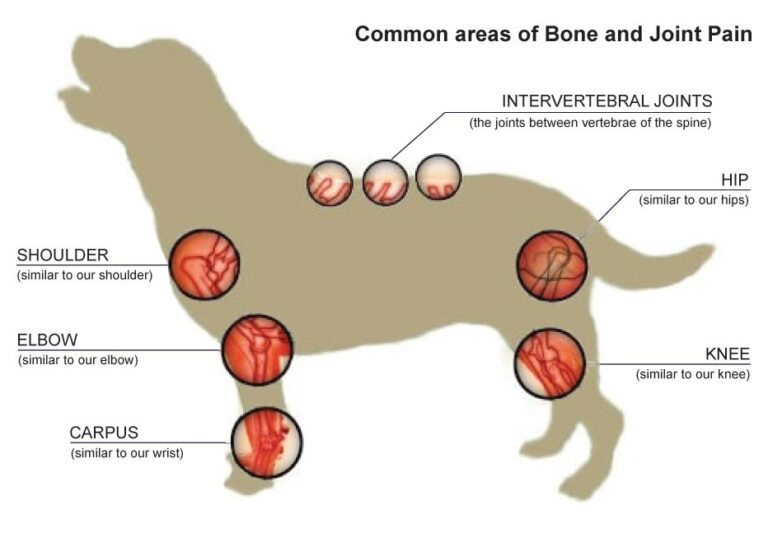
Why Does It Happen?
In healthy joints, smooth cartilage covers the bone ends and acts as a cushion. However with arthritis:
Cartilage starts to wear away due to age, repetitive stress, or injury.
The joint becomes inflamed and produces extra fluid.
Bone spurs (osteophytes) may form, and the joint space narrows.
Muscles around the joint weaken from reduced use.
Common risk factors:
Older age
Large/giant breeds (e.g. Labrador, German Shepherd, Rottweiler)
Obesity (major contributor)
Previous joint injuries or surgeries (e.g. cruciate ligament tear)
Genetics and poor conformation (hip/elbow dysplasia)
Being overweight or inactive
Main Problems Arthritis Causes
Stiffness, especially after resting (“worse after lying down”)
Limping or favouring one leg
Reluctance to jump, climb stairs, or play
Reduced exercise tolerance
Difficulty getting up from lying down
Grumpiness or changed behaviour when touched
Muscle wasting around affected joints
In severe cases, there is constant pain and a reduced quality of life for dogs.
Signs often develop slowly, so many owners will mistake the signs of arthritis for “just old age.”
How We Treat It
There is no cure, but a multimodal approach (several things together) works very well to reduce pain and improve mobility.
Main Treatments:
Weight management: The single most important thing. Even losing 5–10% of body weight can dramatically reduce pain. This is because the dogs have less to carry around, and thus less pressure on their joints.
Pain relief:
NSAIDs (e.g. carprofen, meloxicam) – very effective anti-inflammatory painkillers.
Other options: gabapentin, amantadine, or paracetamol (dog-safe versions only).
Joint supplements:
Glucosamine, chondroitin, omega-3 fish oils, and green-lipped mussel extracts.
Lifestyle changes:
Regular low-impact exercise (short, frequent walks, swimming, hydrotherapy).
Avoid slippery floors and high jumps.
Advanced options:
Physiotherapy and massage.
Joint injections (e.g. steroid or hyaluronic acid).
Surgery (in severe cases, such as total hip replacement).
Newer treatments like bedinvetmab is a monthly injection that blocks pain signals.
Key Take-Home Messages
Arthritis is extremely common but not inevitable – good weight control and early management make a huge difference.
Treatment is lifelong and usually needs adjusting over time.
The goal is to keep your dog comfortable and active for as long as possible.
Early intervention is best don’t wait until your dog is obviously struggling.
Always work with your vet: they can create a personalised pain management and mobility plan.
Many dogs with arthritis continue to enjoy walks, play, and a good quality of life with the right care. If you’ve noticed your dog slowing down or seeming stiff, speak to your vet there are lots of effective ways to help.
This information is for reference only and should not replace advice from a qualified veterinary surgeon. Always speak to your vet before starting, changing, or stopping any treatment for your pet.
Shop for suitable treatments below
What people say about our shop
Clients Testimonials

Incredible service!
Ordered my dog’s medication in the afternoon and it arrived the very next day. Couldn’t believe how fast it was delivered. I’ll definitely be using Pet Med Direct again!
Sarah J. - Manchester
Super quick delivery and great prices.
Placed my order for flea treatment on Monday morning, and it was at my door by Tuesday. Everything was well packaged and exactly as described. Brilliant service.
Mark R. - London
Fast and reliable.
I needed my cat’s prescription tablets urgently, and Pet Med Direct didn’t disappoint. The order was processed straight away and arrived quicker than expected. Highly recommend.
Laura H. - Glasgow
Excellent communication and next day delivery
I was kept updated from order to dispatch, and my parcel arrived the following morning. It’s great to find a company that genuinely cares about speed and service.
Tom D. - Belfast
Newsletter Updates
Enter your email address below to subscribe to our newsletter.
Your privacy is our policy.