✓ Registered Vet Practice
🚚 Fast UK-Wide Delivery, Including Northern Ireland
℞ Prescription & Non-Prescription Products
→ Need to upload a prescription?

Why Is My Dog Suddenly Anxious?
Is your dog suddenly anxious? It can have a medical cause. Here are the possible reasons and when to speak to your vet.
Quick Answer
- If a dog's behaviour changes suddenly, contact your vet as soon as possible, because a vet can rule out medical causes.
- Pain, illness or discomfort can affect a dog's mood and sleep quality, and pain can make some dogs sensitive to noise.
- Other possible reasons include loud noises such as fireworks, being left alone, changes in routine, frightening experiences and age-related changes such as cognitive dysfunction or declining hearing and eyesight.
- Never punish a fearful dog, and never give human medicines or unprescribed drugs. Your vet can refer you to a behaviourist if needed.
Finding your dog suddenly anxious can be worrying, especially when nothing obvious has changed. Changes in a dog's behaviour are often influenced by their physical health, so a vet check is a sensible first step.
This guide covers the signs of stress, the possible reasons for a sudden change and what you can do to help. It is general information, and only your vet can work out what is going on with your own dog.
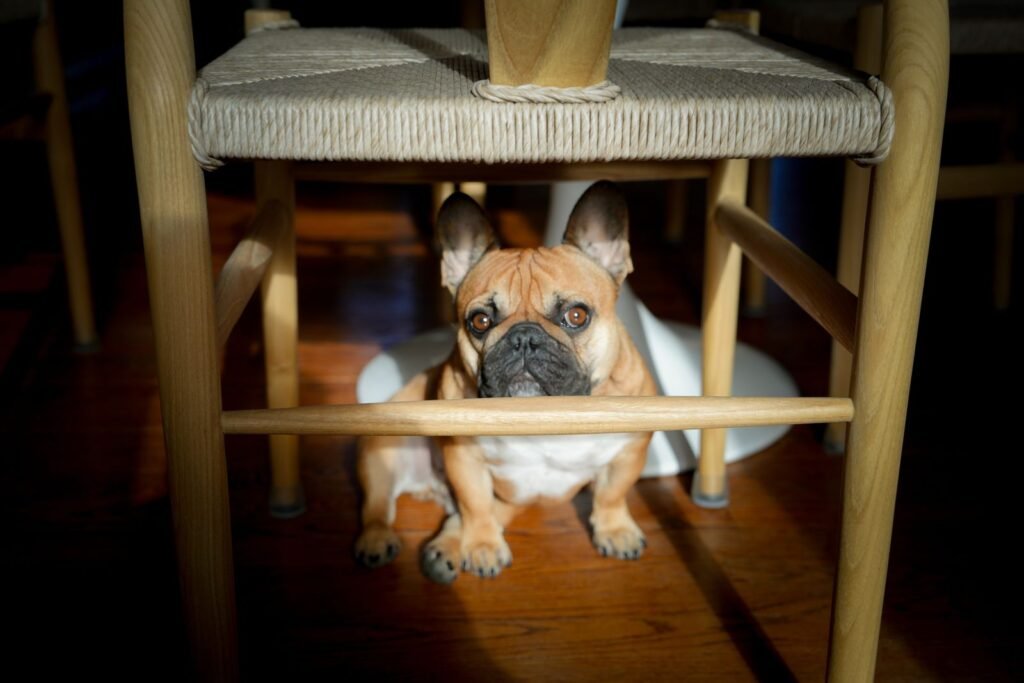
Why Is My Dog Suddenly Anxious? Possible Reasons
These are possible reasons rather than a diagnosis, and your vet is the best place to start.
Pain, illness or discomfort
Pain, illness or discomfort can affect a dog's mood, sleep quality and overall resilience. A dog in pain may seem less energetic or withdraw from play. Dogs in pain may avoid touch or react defensively, for example when a harness is put on. Pain can also lead to a learned fear of particular movements, handling or places.
Dogs Trust says that if a dog suddenly seems scared of their owner, or anxious at night, the first step is to speak to your vet. Possible causes include pain, an underlying health problem, a change in routine or household, or things disturbing the dog at night.
Seeking comfort more often may signal pain or illness even without other signs. Pain can also show as restlessness, pacing and trouble settling. See our guide on how to tell if your dog is in pain.
Loud noises and fireworks
PDSA lists a past bad experience, little exposure to noises as a puppy and pain as causes of noise phobia. Because pain can make some dogs sensitive to noise, always have your dog checked by a vet if they suddenly develop a noise phobia.
Dogs Trust says fireworks, thunderstorms and gunshots are the loud noises dogs are most afraid of. PDSA adds that an untreated noise phobia is likely to get worse with time.
Being left alone
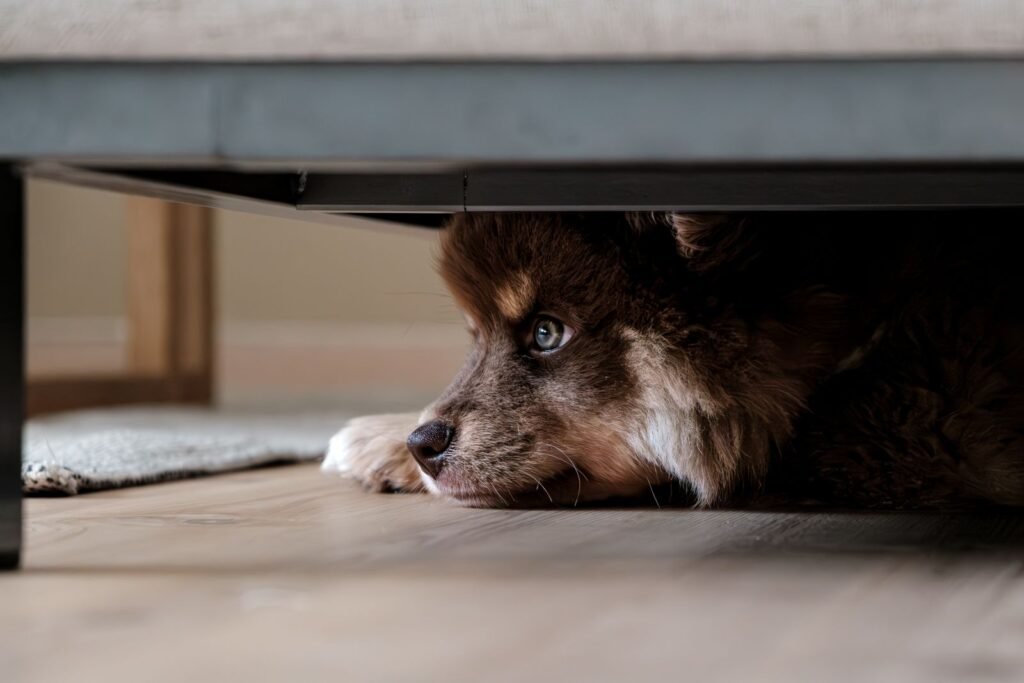
PDSA lists poor socialisation as a puppy, not being used to being left alone, household changes such as builders or a new home, frightening events, boredom, routine changes, and bereavement or the loss of a companion. After a holiday, a routine that suddenly returns to normal can leave a dog bored and lonely.
Dogs Trust adds that big changes, such as moving house or new working hours, can leave a dog unsettled and anxious. It also says medical problems can play a part. Loss of hearing or vision may make a dog more dependent on you, and thyroid or adrenal conditions can raise anxiety generally. A urinary tract infection can cause restlessness and toileting indoors, which can look like separation anxiety. PDSA says to always get a dog with apparent separation anxiety checked by a vet.
Fear, past experiences and stress
Dogs Trust lists several causes of fear and anxiety: genetics and temperament, a lack of early socialisation in the first four months, and past frightening or painful experiences. Environment and routine matter too, as do fear-based or pain-based training methods.
PDSA notes that aggression often begins with fear. Most dogs only become aggressive when they feel they have no other choice.
Cognitive dysfunction ("doggy dementia")
Cognitive dysfunction is an age-related brain condition that affects memory and causes behaviour and personality changes. PDSA says the cause is not fully understood and there is no way to prevent or cure it.
Signs can include confusion, toileting indoors, low energy, poor sleep at night, forgetting commands, pacing, staring into space, increased barking and new fears or phobias. Early signs are often subtle and tend to worsen over time. PDSA advises contacting your vet if you think your dog might have it, because the earlier treatment starts, the better the outlook.
Hearing, eyesight and other changes in older dogs
Declining hearing and eyesight can raise anxiety in older dogs, who may panic easily, for example when a hand approaches quickly. The RSPCA says some older dogs seem disorientated or have a changed sleep cycle, and to ask your vet to rule out medical causes. It also notes that older dogs prefer a predictable routine.
Stiffness, difficulty getting up, going upstairs or less playfulness may also point to a health issue, and some dogs suffer in silence. So ask your vet before assuming it is just age.
Signs of Stress and Anxiety in Dogs
Dogs Trust describes signs that range from subtle to intense:
- Subtle: turning away, lip-licking, yawning, dilated pupils, pulled-back ears, sudden stillness, seeking reassurance or seeming quiet or sad
- Moderate: a tucked tail, crouching, hiding, avoiding touch, trembling, vocalising, panting or drooling when not exercising or warm, and pacing
- Intense fear or panic: trying to escape, aggression such as lunging, snapping or biting, and loss of bladder or bowel control
- Low mood: changes in appetite or sleep, less energy, withdrawal or clinginess
Signs of fear of noise can also include ears pinned back, refusing food, drooling or fleeing in panic. Signs when left alone can include barking, whining, howling, destructive chewing and toileting indoors.
Signs like these can also mean a dog is distressed, bored, ill or injured, which is why a vet check matters.
When to Contact Your Vet
- Your dog's behaviour has changed suddenly or recently, including new signs of fear or anxiety.
- Your dog is withdrawn, seems low in mood, or seems agitated or restless.
- Your dog suddenly develops a noise phobia, or fears fireworks or loud noises. Speak to your vet as soon as possible.
- Your dog seeks comfort and reassurance more than usual.
- Your dog may be showing signs of separation anxiety. PDSA says to always have a vet check these dogs over.
- Your dog also shows possible signs of pain, such as stiffness, limping, heavy panting at rest or going off their food. Vets Now advises contacting a vet immediately if you spot pain signs.
Bring videos, diaries or notes of what you have seen. They help your vet work out what is going on.
Helping an Anxious Dog at Home
During fireworks and loud noises
- Provide a safe space or den, introduced before the event. Do not force your dog into it, and let a hiding dog hide.
- Close windows and curtains, play music or the TV to mask the noise, and walk your dog before dark.
- Stay with your dog and stay calm.
- Make sure your dog is microchipped with up-to-date details, and secure doors, windows and fences in case they bolt.
- Do not tie your dog outside, leave them in a car or take them to a display.
When your dog is left alone
Build up time alone gradually and keep departures and returns calm. Give exercise and a toilet break beforehand, and provide a safe space and enrichment. A camera can help you check for hidden distress. The RSPCA recommends not leaving a dog alone for more than four hours, and much less for puppies.
If your dog already struggles when left, Dogs Trust advises avoiding leaving them for longer than they can cope with while you get professional help.
Crate training alone will not stop a dog worrying, and getting another dog is not a fix. Dogs Trust says separation anxiety does not normally resolve by itself.
What not to do
Never punish or scold a dog for fear-driven accidents or behaviour. Punishment can make a dog worse, and dogs do not connect a telling-off with earlier behaviour.
How Vets and Behaviourists Can Help
For fear of fireworks or loud noises, Dogs Trust says your vet can check for medical problems, refer you to a behaviourist and advise on additional treatments, including medication. It adds that this can stop the fear increasing each time.
For noise phobia, PDSA says a professional is likely to recommend desensitisation and counterconditioning. This means getting your dog used to the noise slowly, with rewards, under guidance from a vet, vet nurse or accredited behaviourist. It can take several weeks or even months. Avoid flooding, which means repeated exposure to the noise, as it is likely to be terrifying.
For severe phobias, a vet may prescribe medication alongside training. Never give human medicines or unprescribed drugs.
Once a vet has ruled out medical causes, an accredited or clinical behaviourist is best placed to help, and severe separation anxiety needs professional help. Dogs Trust also runs a Behaviour Support Line for dog owners, with details on its separation anxiety page.
How Pet Med Direct Can Help
If your dog is suddenly anxious, start with a vet check and, if needed, a qualified behaviourist. You can browse our non-prescription dog calming and stress range, but please discuss options with your vet or behaviourist first.
Dogs Trust says there is no scientific evidence that over-the-counter or non-prescription products work in the treatment of separation anxiety in dogs. PDSA advises speaking to your vet or behaviourist before using calming supplements, because some contain ingredients that can interfere with prescribed medicines.
If your vet prescribes medication, read how pet prescriptions work. Our anxiety category lists prescription-only medicines, supplied solely against a valid prescription from your dog's own vet. Listing them is not a suggestion that your dog needs them.
Some pet medicines require a valid veterinary prescription. Pet Med Direct can only supply prescription medicines after the prescription has been checked. Always follow your vet's advice and the directions on the medicine label.
Frequently Asked Questions
Why is my dog suddenly anxious?
Possible reasons include pain, illness, noise, a change in routine, being left alone, a frightening experience, sensory loss or age-related change. Contact your vet as soon as possible, because a vet can rule out medical causes.
Can pain make a dog anxious?
It can. Pain can affect mood and sleep quality, and it can show as restlessness, pacing or seeking more comfort. Some dogs become defensive or aggressive when they are sore.
Why is my dog suddenly scared of fireworks or noises?
A past bad experience, little exposure to noises as a puppy and pain can all cause noise phobia. PDSA says to always have your dog checked by a vet if they suddenly develop one, and an untreated phobia is likely to get worse.
What are the signs of separation anxiety?
They include barking, whining, howling, destructive chewing, toileting indoors, pacing and trying to escape. Less obvious signs include trembling, panting, drooling or not eating when alone.
What is doggy dementia?
Cognitive dysfunction is an age-related brain condition affecting memory and behaviour. Signs include confusion, poor sleep at night, pacing and new fears, and PDSA says early treatment gives a better outlook.
When should I take an anxious dog to the vet?
Contact your vet as soon as possible if the change in behaviour is sudden, if your dog seems withdrawn or agitated, or if you think your dog may have separation anxiety or a new noise phobia.
Related Dog Health Guides
Sources and Further Reading
- PDSA — Dog aggression
- PDSA — Noise phobias in dogs
- PDSA — Dementia in Dogs: Cognitive Dysfunction
- PDSA — Home alone: preventing separation anxiety
- Dogs Trust — Helping dogs cope with fear and big emotions
- Dogs Trust — Separation anxiety in dogs: signs and support
- Dogs Trust — Helping your dog cope with fireworks
- Dogs Trust — What to do if your dog is scared of loud noises
- RSPCA — Understanding Your Dog's Behaviour
- RSPCA — Separation Anxiety in Dogs
- RSPCA — Keeping dogs, cats and other small pets safe during fireworks
- RSPCA — Caring for Older Dogs - Senior Dog Care
- Royal Kennel Club (The Kennel Club) — Senior dogs
- Vets Now — Nine warning signs that could mean your dog is in pain
This article was researched from the sources listed above. It is general information for dog owners and is not a substitute for advice from your own vet.

Need pet products or prescription medicines? Visit the Pet Med Direct shop.
Shop Pet Med Direct