✓ Registered Vet Practice
🚚 Fast UK-Wide Delivery, Including Northern Ireland
℞ Prescription & Non-Prescription Products
→ Need to upload a prescription?

Equine Metabolic Syndrome (EMS) in Horses
Why some horses and ponies are prone to laminitis, how vets confirm EMS with blood tests and how it is managed.
Quick Answer
- Equine metabolic syndrome (EMS) is a hormonal disorder, similar to type 2 diabetes in humans, marked by insulin dysregulation, excess or abnormally placed fat and a higher risk of laminitis.
- EMS can affect any horse or pony, but it is most often seen in overweight animals, and native breeds are thought to be particularly susceptible.
- You cannot diagnose EMS by looking at a horse, so speak to your vet about blood tests if you notice fat pads, a cresty neck, difficulty losing weight or past laminitis.
- EMS is treatable, mainly through long-term weight management and exercise agreed with your vet, and never through a crash diet.
- Laminitis is an emergency, so contact your vet immediately if you think your horse may have it.
Equine metabolic syndrome (EMS) is a hormonal disorder in horses. It is characterised by three key features: insulin dysregulation, being overweight or having abnormal fat deposits, and an increased risk of laminitis.
Insulin is the hormone that removes glucose from the bloodstream and stores it as energy. In EMS the body makes more insulin but still does not respond to it properly. Exactly how this leads to laminitis is not yet fully understood.
What Causes Equine Metabolic Syndrome?
EMS results from a complex interaction between genetics and the environment, including diet and lifestyle.
Excess weight and fat
The biggest risk factor is obesity. Hormones produced by excess fat cells affect the body's ability to respond to insulin, so the body produces more of it. Fatter horses are therefore more likely to release more insulin, which makes them more prone to laminitis.
Genetics and breed
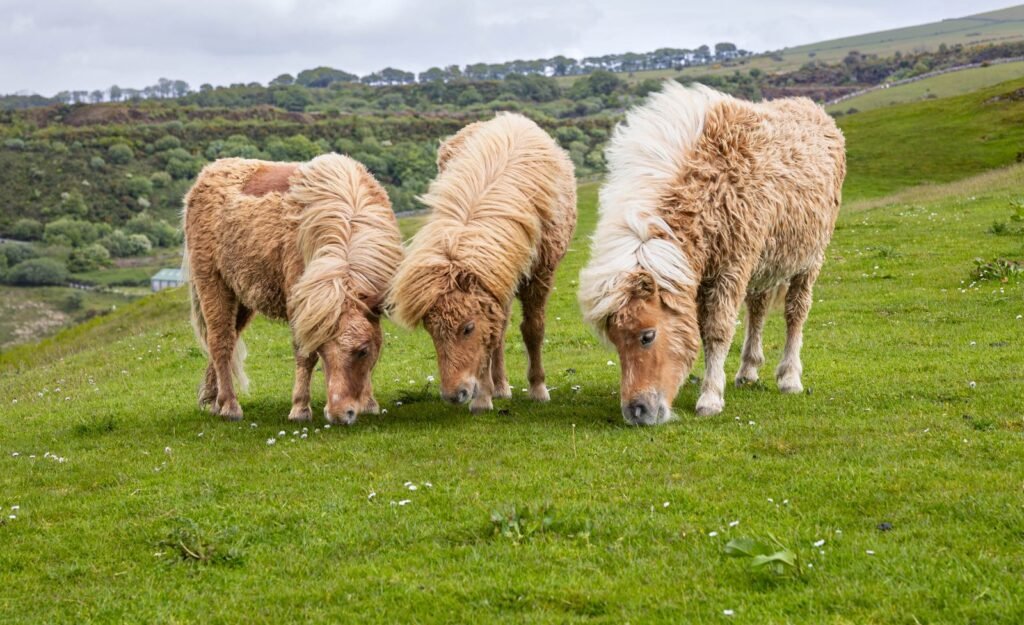
Native pony and cob breeds are anecdotally considered particularly susceptible, and published cases largely involve British native breeds. Horses with EMS are often called "good doers" or "easy keepers". The genes behind this are likely to have helped survival in times of famine.
Diet
Insulin is released in response to what a horse eats. Higher-sugar diets cause more insulin to be released and raise laminitis risk.
Hay is simply dried grass, so it can also be high in sugar. Hay is not automatically "safe" for a horse with insulin problems.
Inactivity and age
EMS appears to be more common in physically inactive animals, and insulin levels are generally higher in older horses and ponies. A UK study of native ponies and cobs linked EMS to age, being female, a more sedentary main activity and obesity.
Not only overweight horses
A horse does not have to be overweight to have EMS. Research at the Royal Veterinary College (RVC) found insulin dysregulation in ponies of many body conditions, ages and exercise levels. It also found that looking at a pony alone is not a wholly accurate predictor.
Signs of EMS in Horses and Ponies
Abnormal fat deposits are one of the most common signs. These can look like pockets, bulges or pads of fat. Other signs include:
- Fat deposits around the crest of the neck, behind the shoulder, at the tailhead and above the eyes, or around the sheath or mammary glands
- A cresty neck (Redwings suggests scoring the crest from 0 to 5 and photographing it regularly)
- Excess weight, or difficulty losing weight despite an appropriate diet and exercise
- Recurring episodes of laminitis, or a history of laminitis
- Drinking and urinating more than usual
- Lethargy
- Infertility in mares has also been associated with EMS
Signs can be easy to miss. A horse at a healthy weight can still have insulin problems. Low-grade laminitis may go unnoticed, and a more under-the-radar form can damage the hoof without obvious pain. A horse that is regularly "a bit footy" each spring deserves a vet check.
Emergency: Contact a Vet Immediately If…
- You think your horse or pony may have laminitis. It is an emergency.
Call your vet or the nearest out-of-hours emergency vet straight away. Our Laminitis in Horses guide explains what to look for.
When to Contact Your Vet
- You notice fat pads, a cresty neck, difficulty losing weight or a past episode of laminitis, because blood tests are needed to diagnose EMS.
- Your horse is a native breed or at greater risk. Insulin testing can help assess the risk of laminitis and EMS so you can act early.
Diagnosing and managing EMS is key to preventing chronic, recurrent laminitis, so do not wait for a crisis.
How Vets Confirm EMS
Diagnosis is based partly on your horse's history and clinical examination and partly on laboratory testing. Your vet will take blood samples to measure insulin and glucose levels. Demonstrating insulin dysregulation is vital before a diagnosis is made in an overweight animal.
Dynamic tests, which look at how insulin and glucose respond over time, are generally more sensitive than a single resting blood test. A vet can also test your horse's insulin response to eating hay or time at grass, to work out what is driving insulin spikes.
Insulin levels can rise after travel, so your vet may wait before taking bloods if your horse has been transported. Vets should not limit insulin testing to ponies with obvious risk factors.
Some signs of EMS are very similar to Cushing's disease (PPID), and a blood test helps to tell which a horse has. Some horses with PPID also develop insulin resistance. Our Cushing's Disease (PPID) in Horses guide explains the other condition.
Managing Equine Metabolic Syndrome
Weight management comes first
The primary treatment for EMS is weight management agreed with your vet. EMS is controlled mainly by diet and exercise aimed at improving how the body handles insulin and reducing obesity. This is a long-term strategy that needs diligence.
Feeding for weight loss should be high-fibre and forage-based. It should be done under veterinary supervision, with regular weighing and fat scoring. Our guide to Is My Horse Overweight? explains hands-on scoring.
Feeding without crash dieting
Never put a horse on a crash diet. Horses need a steady supply of food, so the aim is to reduce calories without cutting the amount of forage. Long gaps without food can cause stomach ulcers and behaviour problems, and small-holed haynets can slow eating down.
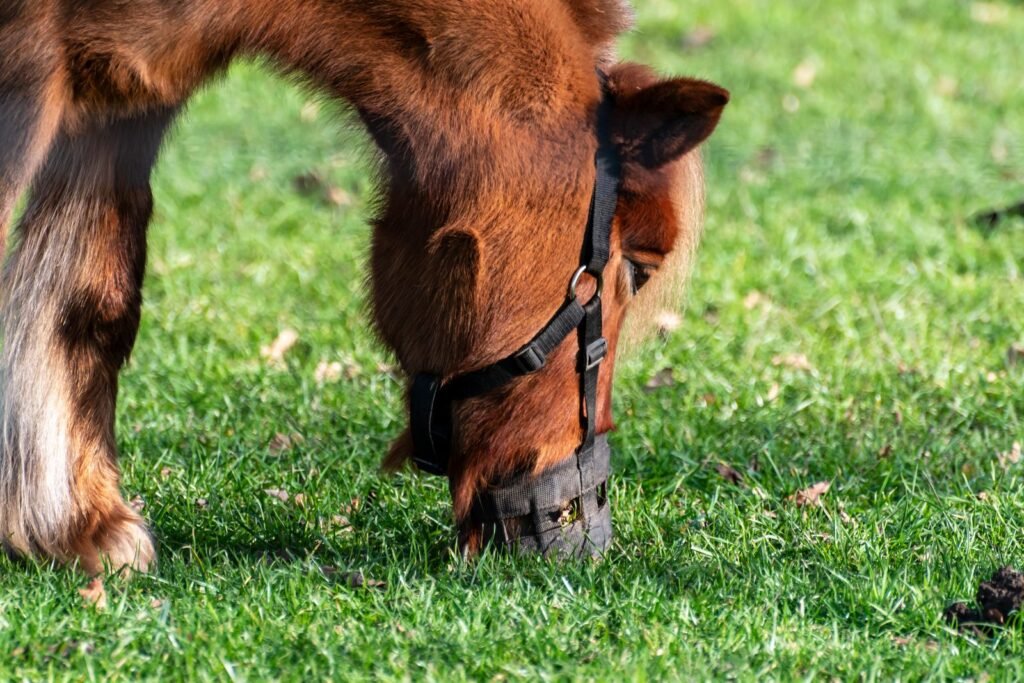
Redwings does not recommend "starvation paddocks", because the newest grass growth is always high in sugar. It suggests strip grazing or a grazing muzzle as options between May and September, although strip grazing must still allow exercise.
Consider everything that goes into your horse's mouth, including treats, apples and carrots. Weigh feeds, including hay. Your vet or a nutritionist can tailor the plan, including whether hay should be soaked or analysed.
Exercise and rugs
Regular exercise is a key part of a weight-loss programme. It can be built up gradually, starting with more time spent walking. The RVC found insulin dysregulation was less common in ponies that did more exercise.
If your horse has laminitis, follow your vet's advice on exercise. It is also worth asking whether your horse really needs a rug, as rugs may reduce natural insulation and contribute to weight gain.
Medicines, passports and competition
In some cases medicine may help. World Horse Welfare says newer weight-loss medicines exist, but they are not without risk. They should be used only where the risk of laminitis outweighs the risk of the medicine, or where diet and management have not been enough. Talk to your vet.
In the UK, horses are classed as food-producing animals, and the passport declaration decides which medicines can be given. Your vet must ask to see the passport if they do not already know its status. Some medicines are for non-food horses only, and signing a horse out of the food chain is irreversible. If you compete, most medicines are prohibited if detected at the time of competition, so keep dated records and ask your vet.
Monitoring over time
All horses with EMS must be monitored frequently for the earliest signs of laminitis. A European vets' consensus suggests a re-check ideally every 6 to 12 months. A weighbridge is ideal for tracking weight, although weigh tapes and apps are useful alternatives. Tapes are not 100% accurate, but they detect change.
Owners of overweight horses often underestimate their horse's condition. EMS horses are also often resistant to weight loss, which can be upsetting, so support from professionals, friends or yard mates can help.
Outlook for Horses With EMS
EMS is treatable with a good weight management plan agreed with your vet. Management is a long-term strategy, and Redwings describes it as a serious, permanent lifestyle change. Keeping your horse at a healthy weight also helps to decrease the risk.
How Pet Med Direct Can Help
EMS needs a vet's diagnosis and a management plan tailored to your horse. If your vet recommends products as part of that plan, you can browse our equine range.
Please speak to your vet before changing your horse's feed or adding anything new.
Some pet medicines require a valid veterinary prescription. Pet Med Direct can only supply prescription medicines after the prescription has been checked. Always follow your vet's advice and the directions on the medicine label.
Frequently Asked Questions
What is equine metabolic syndrome in simple terms?
Equine metabolic syndrome is a hormonal disorder in which a horse's body does not respond properly to insulin. It is linked with abnormal fat deposits and a higher risk of laminitis. The BHS likens it to type 2 diabetes in humans.
Is EMS the same as Cushing's disease?
No. They can look alike, and both can lead to insulin resistance and laminitis. A blood test helps your vet tell which one your horse has, and some horses with PPID also develop insulin resistance.
Can a thin horse have EMS?
Yes, it is possible. Horses that are not overweight can still have insulin dysregulation, which is why a blood test matters more than appearance.
Is hay safe for a horse with EMS?
Not automatically. Hay is dried grass and can be high in sugar, which can trigger a rise in insulin. Ask your vet or a nutritionist what suits your horse.
Can I put my horse on a strict diet?
Not a crash diet. Horses need a steady supply of food, so reduce calories without cutting the amount of forage, and do it under your vet's supervision.
Can equine metabolic syndrome be cured?
The BHS says EMS is treatable and can be reversed with a good weight management plan agreed with your vet, but Redwings stresses that this takes a lot of hard work and a permanent change to your horse's lifestyle. Management is long-term, and keeping to the plan helps reduce the risk of recurring laminitis.
Related Equine Health Guides
Sources and Further Reading
- British Horse Society — EMS In Horses: Equine Metabolic Syndrome
- World Horse Welfare — Equine Metabolic Syndrome
- Redwings Horse Sanctuary — Equine Metabolic Syndrome leaflet
- Carslake, Pinchbeck and McGowan (University of Liverpool) — Equine metabolic syndrome in UK native ponies and cobs
- European College of Equine Internal Medicine — Consensus statement on equine metabolic syndrome
- Royal Veterinary College — Multitude of indicators of equine insulin dysregulation and laminitis risk
- World Horse Welfare — Laminitis in horses
- World Horse Welfare — Revealing the interconnectivity of hormones, insulin, and laminitis
- World Horse Welfare — Weight: is your horse the right weight?
- GOV.UK / Veterinary Medicines Directorate — Horse medicines and record keeping requirements
- British Equestrian — Equine anti-doping
This article was researched from the sources listed above. It is general information for horse owners and is not a substitute for advice from your own vet.

Need pet products or prescription medicines? Visit the Pet Med Direct shop.
Shop Pet Med Direct