✓ Registered Vet Practice
🚚 Fast UK-Wide Delivery, Including Northern Ireland
℞ Prescription & Non-Prescription Products
→ Need to upload a prescription?

Why Is My Dog Sneezing?
Common reasons for dog sneezing, how reverse sneezing differs, and the signs that need a vet.
Quick Answer
- An occasional sneeze is normal, and a sneeze or two with no other signs is unlikely to be anything to worry about.
- Everyday irritants such as dust, pollen, perfume and cleaning products can set a dog off, and dogs also sneeze when playing or excited.
- Sneezing a lot, sneezing blood, a thick or coloured nasal discharge, pawing at the nose or facial swelling should be checked by a vet.
- Trouble breathing is an emergency, so contact your vet immediately.
Dog sneezing is often nothing to worry about. A sneeze is a sudden burst of air out of the nose and mouth, and it is a reaction to something irritating the nose. Its purpose is to protect the airways by clearing irritants.
However, sneezing can sometimes point to something that needs treatment. This guide explains the common causes, how reverse sneezing differs, and when to call your vet. It is general information, so it cannot tell you what is wrong with your own dog.
Common Causes of Dog Sneezing
Everyday irritants
PDSA says an occasional sneeze can be completely normal, for example from dirt or dust. The Kennel Club lists dust, pollen, strong perfume and cleaning products. Air fresheners, diffusers and hairspray can also irritate the nose.
Use aerosol or spray products in a separate room from your dog. Vacuuming regularly also helps. Even so, Vets Now says sneezing is a normal reflex that cannot be completely prevented.
Play sneezes
Dogs also sneeze to communicate. Play sneezes show a dog is happy, excited or playful, and they can help defuse tension in play fights. A sneeze or two with no other signs is unlikely to be a worry.
Allergies
Allergies to dust, pollen or certain foods can cause sneezing. PDSA says allergies usually cause skin problems but can also cause sneezing. Allergens may also cause itching, a runny nose, weepy eyes or a cough.
The Kennel Club says sneezing only in the morning may reflect higher allergen exposure overnight, such as dusty bedding. Pollen counts are also usually highest first thing in the morning. It is still worth a vet check.
Something stuck in the nose
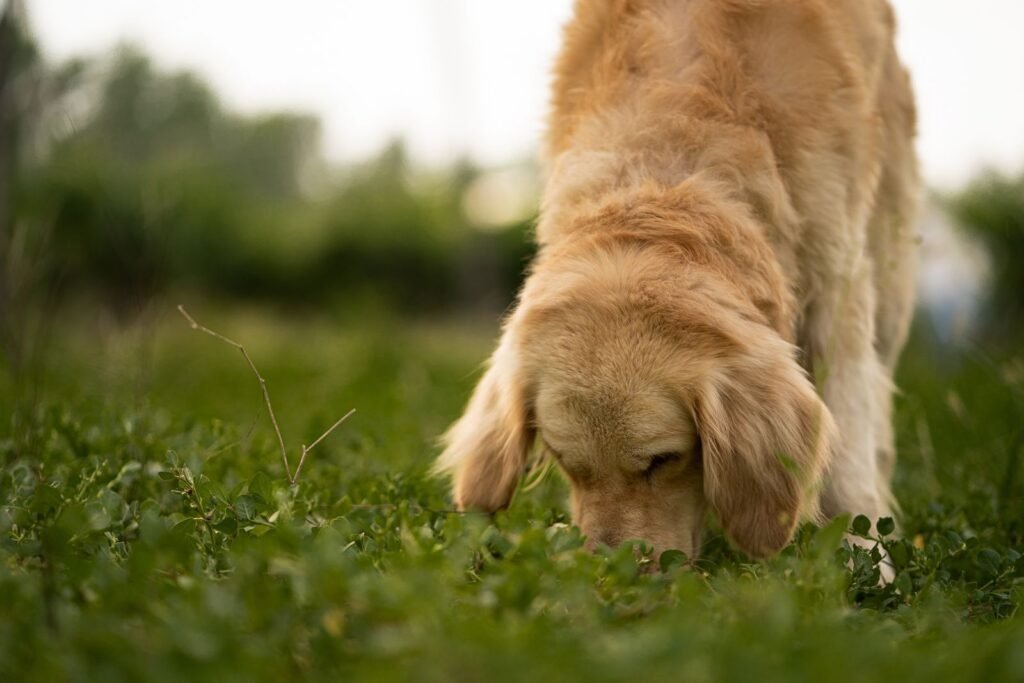
Dogs can get things stuck up the nose, especially when snuffling in undergrowth. The Kennel Club says common items include sharp grass seeds, blades of grass, leaves and food.
Blue Cross lists "suddenly and violently sneezing" among signs of a grass seed. Grass seeds are small, sharp, pointed seeds. They can burrow into the skin and can also get stuck in the paws, ears, eyes or nose, which can be very painful. Once under the skin they can travel around the body, so the sooner a dog is treated the better.
If your dog sneezes a lot and paws at the nose, or you think something is stuck up the nose, speak to your vet immediately. Blue Cross says grass seeds are invisible on an X-ray, so they can be hard to find. Vets may be able to remove them with long tweezers, and a dog may need sedation because this can be painful.
Infections, including kennel cough
PDSA lists bacterial or viral infection, which usually causes coughing, as a longer-lasting cause. Sneezing can sometimes be a sign of kennel cough but is unlikely to happen alone.
Kennel cough is a contagious respiratory disease. Its main sign is a high-pitched hacking cough, sometimes with a runny or blocked nose, weepy eyes, a high temperature or tiredness. The Kennel Club says it can be very contagious and may be dangerous for puppies and older or vulnerable dogs, so phone your vet before visiting.
PDSA also says dogs cannot catch the human cold. Cold-like signs come from different infections, such as kennel cough. PDSA says dogs with kennel cough will most likely improve on their own within a few weeks, but it still recommends calling your vet for advice.
Fungal infections and nasal mites
Dogs can sometimes pick up a fungal infection by rooting around in soil. These infections can cause sneezing, often with pain, nose bleeds or a creamy or green nasal discharge. Dogs that like digging, and dogs with longer noses, are usually more likely to be affected.
Nasal mites can cause sneezing fits, nasal discharge, nose bleeds and itching. The Kennel Club says they are not common in the UK.
Tooth problems and growths
The Kennel Club says some teeth have long roots that sit very close to the nasal passages, so an infected tooth can sometimes cause sneezing or a runny nose. Our dental care guide has more on dental health.
In rare cases, senior dogs may develop a tumour or growth in the nasal passage. Some, such as polyps and cysts, may be benign, while others may be cancerous. Sneezing and nose bleeds are possible signs.
Flat-faced dogs
Flat-faced dogs are more prone to sneezing because of their narrowed airways. PDSA says the snuffles and snoring noises many owners think are normal in flat-faced dogs are a sign the dog is struggling to breathe. PDSA advises contacting your vet if your dog has noisy breathing.
Reverse Sneezing: What It Is
Reverse sneezing is when a dog rapidly sucks air inwards through the nose with a loud snorting noise. It can look like choking.
PDSA says it can be alarming to see but is nearly always harmless, with episodes tending to last 30 to 60 seconds. VCA says the dog is normal before and after an episode, standing still with the head and neck extended. PDSA says the cause is not fully understood, but vets think most dogs do it to clear irritation at the back of the throat.
PDSA lists triggers such as pulling on the lead, overexcitement, dust, air fresheners, excess mucus, allergies, food or drink, and an overlong soft palate. It says small breeds tend to do it more than large breeds, and flat-faced breeds are more likely to do it.
If you are not sure it is reverse sneezing, or the noise sounds like abnormal breathing, contact your vet right away. Vets Now says any kind of breathing problem should be treated as an emergency.
If you are confident it is a reverse sneeze, PDSA suggests staying calm and keeping your dog calm by speaking to them and stroking them gently. Some people find that gently rubbing the throat, or gently covering one or both nostrils so the dog swallows, helps. VCA says giving the dog something to lick or drink may also help clear an irritant, and that once the dog breathes out through the nose the attack is usually over.
PDSA says it is sensible to speak to your vet if it starts out of the blue, or happens often enough to affect your dog's quality of life. Always tell your vet if your dog faints or collapses afterwards, or takes a while to recover. It is very unlikely to happen during a consultation, so try to video an episode to show the vet.
What to Check When Your Dog Is Sneezing
A few simple checks help you decide what to do next, and they give your vet useful information.
- Is it an occasional sneeze, or is your dog sneezing a lot?
- Has your dog just been playing, or snuffling in long grass or undergrowth?
- Is there any discharge, and what colour is it?
- Is there blood, or is your dog pawing at the nose?
- Is there a cough, a high temperature, drowsiness or a loss of appetite?
- Is the noise a true sneeze, or does it sound like abnormal breathing?
Emergency: Contact a Vet Immediately If…
- Your dog is having trouble breathing.
- The "sneezing" sound could be abnormal breathing.
- The gums look blue.
- Blood comes from the nose or when your dog sneezes.
- You think your dog may have eaten rat or mouse poison. Do not wait for signs to appear.
Call your vet or the nearest out-of-hours emergency vet straight away.
When to Contact Your Vet
- Your dog is sneezing a lot, or the sneezing is excessive, violent or uncontrollable.
- There is a runny nose, thick or coloured discharge, or facial swelling.
- Your dog has a painful nose or is pawing at the nose.
- You can see something up the nose.
- Your dog also has a fever, is off food, drowsy or has a persistent cough.
Never give human medication or home remedies for a sneezing, runny-nosed dog, because many human medicines are highly toxic to dogs.
Sneezing Blood or a Nosebleed
Blood when a dog sneezes always needs a vet. Vets Now says it can be due to injury, nasal mites or tumours. VCA lists many other causes, including infection, a tooth root abscess, a foreign body in the nose, rat poison and clotting disorders.
PDSA says nose bleeds can be a sign of internal bleeding from rat poison, alongside weakness and pale or bleeding gums. Signs can be delayed by minutes to ten days, so call your vet straight away if you suspect your dog has swallowed rat or mouse poison, without waiting for signs.
UK sources advise contacting your vet about any nosebleed, so do not wait to see if it stops. While you arrange that, VCA, a US vet group, suggests keeping your dog and yourself calm. It also says not to push cotton swabs or other absorbent material into the nostrils, as this can trigger sneezing and make the bleeding worse, and not to give any medication unless your vet advises it.
VCA adds that dogs often swallow blood, which can lead to black stool or vomit containing blood clots. It says these findings are common after a nosebleed and do not necessarily mean bleeding in the gut, but mention them to your vet.
How Vets Investigate Dog Sneezing
A vet will examine your dog and ask about other signs, such as a runny nose or facial swelling. PDSA says the next steps can include looking up the nose with a camera under anaesthetic, X-rays, flushing the nose, a biopsy or a CT scan. VCA says the examination includes the nose, mouth and throat, and that clotting tests may be done if the discharge is bloody.
Treatment depends on the cause. For example, if your vet finds something stuck in the nose, they will remove it. If there is an infection, your vet might prescribe medication.
To help prevent problems, check your dog's coat, feet, ears and nose for grass seeds after walks in long grass. Keeping the hair around the ears and paws short also helps.
How Pet Med Direct Can Help
Pet Med Direct cannot diagnose why your dog is sneezing, so your vet needs to find the cause first.
If your vet prescribes medicine, how pet prescriptions work explains the process. You can also browse our dog medication range.
Some pet medicines require a valid veterinary prescription. Pet Med Direct can only supply prescription medicines after the prescription has been checked. Always follow your vet's advice and the directions on the medicine label.
Frequently Asked Questions
Is it normal for my dog to sneeze?
Yes, an occasional sneeze is normal. Dust, excitement and play can all set a dog off. A sneeze or two with no other signs is unlikely to be a worry.
What is reverse sneezing, and is it dangerous?
It is when a dog rapidly sucks air in through the nose with a loud snort. PDSA says it is nearly always harmless. However, tell your vet if it starts suddenly, happens often enough to affect your dog's quality of life, or your dog faints or collapses afterwards. If you think the noise could be abnormal breathing, contact your vet right away.
Could my dog have something stuck up its nose?
It is possible, especially after snuffling in undergrowth. A dog that sneezes a lot and paws at the nose may have a grass seed or other object stuck. Speak to your vet immediately.
Why is my dog sneezing and has a runny nose?
Possible causes include allergies, infections such as kennel cough, and something stuck in the nose. A thick or coloured discharge, bleeding, or facial swelling needs a vet check.
Why is my dog sneezing blood?
Blood when sneezing always needs a vet. Possible causes include injury, nasal mites, tumours and rat poison. Contact your vet straight away, and do not wait to see if it stops.
Can I give my dog human medicine for sneezing?
No. Many human medications are highly toxic to dogs. Speak to your vet instead.
Related Dog Health Guides
Sources and Further Reading
- PDSA — Sneezing in dogs
- PDSA — Reverse Sneezing in Dogs
- The Kennel Club — Why does my dog sneeze so much?
- Vets Now — Why is my dog sneezing?
- Blue Cross — Grass seeds and dogs
- VCA Animal Hospitals — Reverse Sneeze in Dogs
- VCA Animal Hospitals — Testing for Sneezing and Nasal Discharge
- VCA Animal Hospitals — Nosebleeds (Epistaxis) in Dogs
- PDSA — Rat poisoning in dogs
- PDSA — Can dogs catch the human cold?
- PDSA — BOAS - breathing problems in flat-faced dogs
This article was researched from the sources listed above. It is general information for dog owners and is not a substitute for advice from your own vet.

Need pet products or prescription medicines? Visit the Pet Med Direct shop.
Shop Pet Med Direct