✓ Registered Vet Practice
🚚 Fast UK-Wide Delivery, Including Northern Ireland
℞ Prescription & Non-Prescription Products
→ Need to upload a prescription?
POM-V, POM-VPS, NFA-VPS and AVM-GSL Explained: UK Veterinary Medicine Categories
Every authorised veterinary medicine in the UK has a legal category that decides who may supply it and whether a prescription is needed. Here is what the four categories mean.

Quick Answer
- There are four main legal categories for authorised veterinary medicines: POM-V, POM-VPS, NFA-VPS and AVM-GSL. The category sets the supply route based on risk.
- POM-V medicines need a prescription from a vet, who must carry out a clinical assessment of an animal under their care. POM-VPS medicines can be prescribed by a vet, pharmacist or SQP.
- NFA-VPS medicines need no prescription but may only be supplied by a vet, pharmacist or SQP. AVM-GSL medicines have no legal restrictions on retail supply.
- You can find a medicine's category on the Veterinary Medicines Directorate (VMD) Product Information Database, and the product itself is labelled with its category.
- This guide covers Great Britain. Northern Ireland follows different rules in some areas, so check our Northern Ireland page.
If you have ever seen letters such as POM-V on a pet medicine and wondered what they meant, you are not alone. They are not brand names or quality grades. They are legal categories that decide who is allowed to prescribe and supply that medicine.
This guide explains each category in plain English, who can supply it, and why it matters when you buy pet medicine online. It is general information, not legal or veterinary advice. For help with your own pet, ask your vet.
What Do Veterinary Medicine Categories Mean?
In the UK, a veterinary medicine must have a marketing authorisation before it is sold. Each authorised medicine is then placed in one legal distribution category. The VMD, the government body that regulates veterinary medicines, describes these categories as setting the supply route according to risk. The more risk a medicine carries, the more veterinary input is required.
In Great Britain the rules come from the Veterinary Medicines Regulations 2013, as amended. The 2024 amendments apply in Great Britain only, so Northern Ireland has a different legal footing. We cover that below.
The category is a legal label for the supply route. It is not a guide to how well a product works, and it does not tell you whether a medicine is right for your pet. That is a decision for your vet.
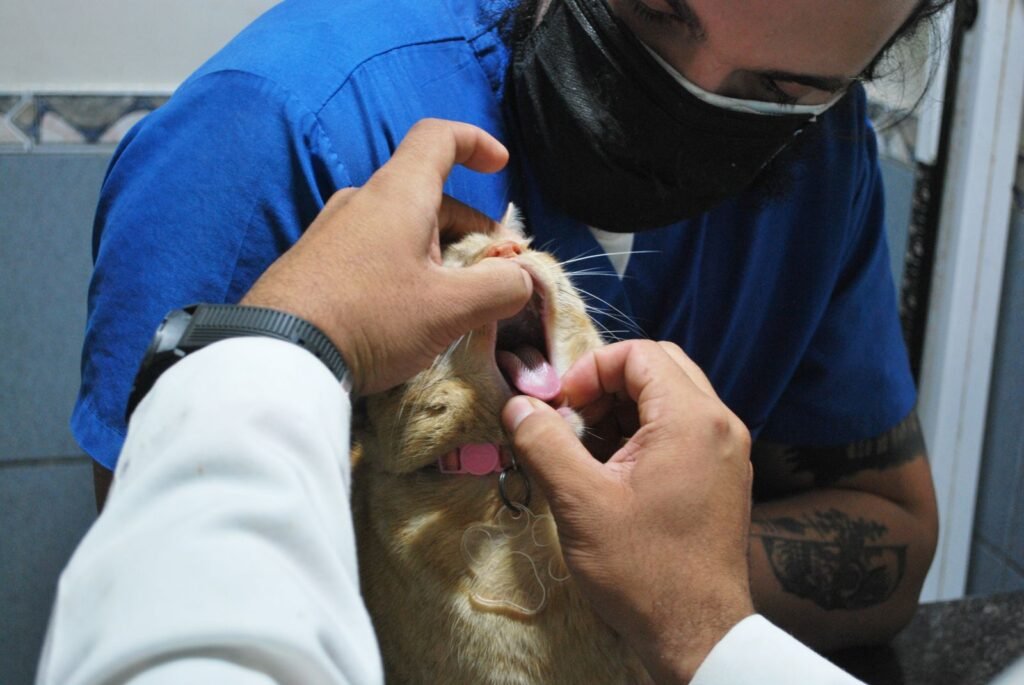
The Four Categories at a Glance
This table summarises the four categories as described in VMD and RCVS guidance. The example types are general, and the category of any individual product is set by its authorisation, so always check the product itself.
| Category | Full name | Prescription needed? | Who can prescribe | Who can supply | Typical examples by type |
|---|---|---|---|---|---|
| POM-V | Prescription Only Medicine - Veterinarian | Yes | A vet only, after a clinical assessment of an animal under their care | A vet, or a pharmacist against a valid prescription | Antibiotics and other medicines that need a vet's judgement, including some parasite treatments |
| POM-VPS | Prescription Only Medicine - Veterinarian, Pharmacist, SQP | Yes, but from a wider group of qualified people | A vet, pharmacist or SQP (together called RQPs) | A vet, pharmacist or SQP | Some wormers and flea treatments |
| NFA-VPS | Non-Food Animal - Veterinarian, Pharmacist, SQP | No | Not applicable | A vet, pharmacist or SQP only | Some medicines for non-food animals such as dogs and cats, for example certain parasite treatments |
| AVM-GSL | Authorised Veterinary Medicine - General Sales List | No | Not applicable | Anyone, as there are no legal restrictions on retail supply | Lower-risk products sold with clear information on the pack |
What Does POM-V Mean?
POM-V stands for Prescription Only Medicine - Veterinarian. It is the most tightly controlled of the four categories. Under the regulations, a POM-V may only be supplied if it has been prescribed by a vet following a clinical assessment of the animal.
The RCVS, which regulates vets, explains that the animal must also be under the prescribing vet's care. In its Code guidance, this means the vet has been given, and has accepted, responsibility for the animal's health. The RCVS says the regulations do not define "clinical assessment", and that whether a physical examination is needed is a matter of the vet's professional judgement.
Your vet can also give you a written prescription so you can take it to another supplier. The RCVS and VMD joint guidance says vets may charge reasonable fees for written prescriptions, and they must not discriminate between clients who ask for one and those who do not. You can read more in our guide to how pet prescriptions work.
What Does POM-VPS Mean?
POM-VPS stands for Prescription Only Medicine - Veterinarian, Pharmacist, SQP. These are still prescription medicines, but the person who prescribes and supplies them can be a vet, a pharmacist or a Suitably Qualified Person (SQP). The VMD calls this group Registered Qualified Persons, or RQPs.
The VMD says a clinical assessment of the animal does not have to be carried out when prescribing a POM-VPS. The RQP still needs enough information to choose the right product, and must advise on safe use, warnings and contraindications.
What Does NFA-VPS Mean?
NFA-VPS stands for Non-Food Animal - Veterinarian, Pharmacist, SQP. The "non-food animal" part means these products are for animals such as pet dogs and cats, not for animals that enter the food chain.
You do not need a prescription for an NFA-VPS medicine. However, it may only be supplied by an RQP. In practice, that means a vet, pharmacist or SQP has to be involved in the sale, even though no prescription is written. The VMD adds that POM-VPS and NFA-VPS medicines should not be available for facilitated self-selection, which means they should not simply sit on an open shelf for customers to pick up.
What Does AVM-GSL Mean?
AVM-GSL stands for Authorised Veterinary Medicine - General Sales List. The VMD states that there are no legal restrictions on the retail supply of these products. They can be sold without a prescription and without an RQP being involved.
Because nobody has to discuss the product with you at the point of sale, the VMD says clear product information must be easily available there. It has issued guidance on what AVM-GSL packaging should show. "Authorised" is still important: it means the medicine has been through the UK authorisation process.
What Is an SQP?
SQP stands for Suitably Qualified Person. It is the legal term for an animal medicines adviser who is qualified to prescribe or supply certain veterinary medicines under the Veterinary Medicines Regulations. Pharmacists and vets are the other two kinds of RQP.
AMTRA, the Animal Medicines Training Regulatory Authority, is one of the organisations that manages the registration of SQPs. Candidates enrol with AMTRA and sit its exams. The VMD guidance names AMTRA, VetSkill and Vetpol as training routes.
An SQP may only supply the products they are qualified and registered for. For example, a companion animal SQP may only supply products for companion animals. SQPs must also follow the SQP Code of Practice.
Where Can Veterinary Medicines Be Supplied From?
Supply is tied to registered premises. According to the VMD, vets may only supply medicines from premises registered with the RCVS as a Veterinary Practice Premises. Pharmacists supply from premises registered with the General Pharmaceutical Council or the Pharmaceutical Society of Northern Ireland, from a veterinary practice premises, or from SQP-authorised premises. SQP retailers need authorised premises with a registered SQP.
The VMD inspects these premises, so the supply chain is checked as well as the medicine.
What about controlled drugs?
A few veterinary medicines are also controlled drugs, which carry extra legal rules on top of their category. The RCVS notes that the Misuse of Drugs Regulations 2001 set several schedules with different controls, and that vets should normally carry out a physical examination before prescribing one. The VMD says there are specific requirements for controlled drug prescriptions.
What about the small pet animal exemption?
Schedule 6 of the Veterinary Medicines Regulations allows certain products for small pet animals to be supplied without a marketing authorisation. These products sit outside the four categories above. If you keep small pets, your vet can tell you which products suit them.
Why Does the Category Matter?
- It decides whether you need a prescription and who has to be involved in the sale.
- It means a trained person has chosen or checked the medicine for medicines that carry more risk.
- It helps you spot a seller that is not following the rules. For example, a POM-V offered with no prescription check is a warning sign.
- It affects where you can legally buy. Our guide on buying pet medicine without a vet prescription in the UK explains which routes are open.
How Do I Find a Medicine's Category?
Start with the pack and label. Authorised veterinary medicines are labelled with their legal category. The RCVS Code guidance, for example, identifies POM-V by its label.
You can also use the VMD Product Information Database. It holds current information on veterinary medicines authorised in Great Britain and Northern Ireland, and the VMD says it lists the distribution category of every medicine authorised for use in the UK. Products are authorised separately in Great Britain and Northern Ireland, so check you are looking at the right territory.
If you are still unsure, ask your vet or a pharmacist before you buy.
How Can I Buy Pet Medicines Online Responsibly?
The Veterinary Medicines Regulations apply to online sales in the same way as to over-the-counter sales. Sellers of POM-V, POM-VPS and NFA-VPS medicines must register with the VMD. Sellers of AVM-GSL medicines only do not have to.
- Look for the statement "registered internet retailer of veterinary medicines" on the product pages, with VMD contact details and a link to the VMD register of online retailers.
- Expect a prescription check for prescription medicines. Anyone supplying against a written prescription must take reasonable steps to ensure it is genuine.
- Be wary of any seller that will supply a prescription medicine with no prescription, or with no questions at all.
- Make sure the seller is a vet, pharmacist or SQP, based in the UK, supplying from properly registered or authorised UK premises.
- Check the product is authorised in the UK and read the label and leaflet when it arrives.
Our Prescription Help Centre brings together our guides on prescriptions and ordering.
Is Northern Ireland Different?
Yes, in some respects. The 2024 amendments to the regulations apply in Great Britain only. Under the Windsor Framework, EU veterinary medicines law continues to apply in Northern Ireland, and the VMD has set out new arrangements for how medicines are sourced there from 1 January 2026.
The VMD retail guidance also sets Northern Ireland rules that do not apply in Great Britain. For example, it limits how long an antibiotic or other antimicrobial prescription can be used, and it restricts the supply of some medicines sourced from Great Britain. If you live in Northern Ireland, read our page on pet prescriptions in Northern Ireland and ask your vet about your prescription.
When to Speak to Your Vet
- You are not sure which medicine, if any, your pet needs, or you want to change treatment.
- Your pet seems unwell, or you have noticed side effects after a medicine. Do not wait for a repeat order to ask.
- You would like a written prescription to use with another supplier.
- You have a question about a medicine's category, or about whether it is safe alongside your pet's other medicines.
Never give your pet human medicines, and never guess at a dose. Your vet decides what is suitable for your animal.
How Pet Med Direct Can Help
Pet Med Direct is an online pet pharmacy. If your vet has prescribed a medicine for your pet, you can find out how pet prescriptions work and get help from our Prescription Help Centre.
If you are in Northern Ireland, see our pet medication in Northern Ireland page.
Some pet medicines require a valid veterinary prescription. Pet Med Direct can only supply prescription medicines after the prescription has been checked. Always follow your vet's advice and the directions on the medicine label.
Frequently Asked Questions
What does POM-V mean on a pet medicine?
POM-V means Prescription Only Medicine - Veterinarian. It may only be supplied if a vet has prescribed it after a clinical assessment of the animal.
What is the difference between POM-V and POM-VPS?
Both are prescription medicines. A POM-V must be prescribed by a vet, whereas a POM-VPS can be prescribed by a vet, pharmacist or SQP, and no clinical assessment of the animal is legally required.
Do I need a prescription for an NFA-VPS medicine?
No. An NFA-VPS medicine needs no prescription, but it may only be supplied by a vet, pharmacist or SQP.
What is an SQP?
SQP stands for Suitably Qualified Person, the legal term for an animal medicines adviser qualified to prescribe or supply certain veterinary medicines. SQPs are registered through bodies such as AMTRA and can only supply the products they are qualified for.
Can I buy AVM-GSL medicines anywhere?
There are no legal restrictions on the retail supply of AVM-GSL medicines, so they can be sold without a prescription. Check the label and ask your vet if you are unsure that a product is suitable for your pet.
How do I check a medicine's category?
Look at the pack and label, or search the VMD Product Information Database, which lists each authorised medicine's details. If you cannot tell, ask your vet or a pharmacist.
Are the categories the same in Northern Ireland?
The VMD retail guidance still uses the same four category names, but EU law applies in Northern Ireland under the Windsor Framework and some rules differ. See our Northern Ireland page, and ask your vet if you are unsure.
Related Guides
Sources and Further Reading
- GOV.UK (VMD) - Retail of veterinary medicines
- GOV.UK (VMD) - Sell veterinary medicines on the internet
- GOV.UK (VMD) - VMD clarifies packaging requirements for general sales medicines
- GOV.UK (VMD) - Veterinary Medicine Health Situation Scheme
- VMD - Product Information Database
- RCVS - Code of Professional Conduct supporting guidance: Veterinary medicines
- RCVS - Prescribing POM-Vs: joint guidance from the RCVS and VMD
- RCVS - New VMD approach to veterinary medicines in Northern Ireland
- AMTRA - Animal Medicines Training Regulatory Authority
This article was researched from the sources listed above. It is general information for pet owners and is not a substitute for advice from your own vet or for legal advice.
Have a prescription from your vet? Find out how ordering with Pet Med Direct works.
How Pet Prescriptions Work