✓ Registered Vet Practice
🚚 Fast UK-Wide Delivery, Including Northern Ireland
℞ Prescription & Non-Prescription Products
→ Need to upload a prescription?

What Are the Signs of High Blood Pressure in Cats?
High blood pressure in cats is often silent until the eyes are affected, so regular checks matter for older cats.
Quick Answer
- High blood pressure, also called hypertension, is a common condition in senior cats, and in most cats there are no signs until it is advanced.
- Where signs do appear, they can include sudden blindness, bumping into things, bleeding inside the eye, tiredness, withdrawn behaviour, confusion or seizures.
- Sudden blindness, very wide or uneven pupils, blood in the eye, a seizure or collapse mean you should contact your vet straight away.
- The most common cause is chronic kidney disease, and an overactive thyroid is another, although sometimes no other cause is found.
- Checking is quick and pain-free, and International Cat Care recommends regular checks for cats over 7.
Blood pressure in cats is something many owners never think about until a problem appears. Hypertension is the medical term for high blood pressure, and it can damage organs with a rich blood supply, namely the eyes, brain, kidneys and heart.
Because the early stages are usually silent, the signs often show up only when the eyes are affected. This guide explains what to look for, which cats are most at risk, and how vets check.
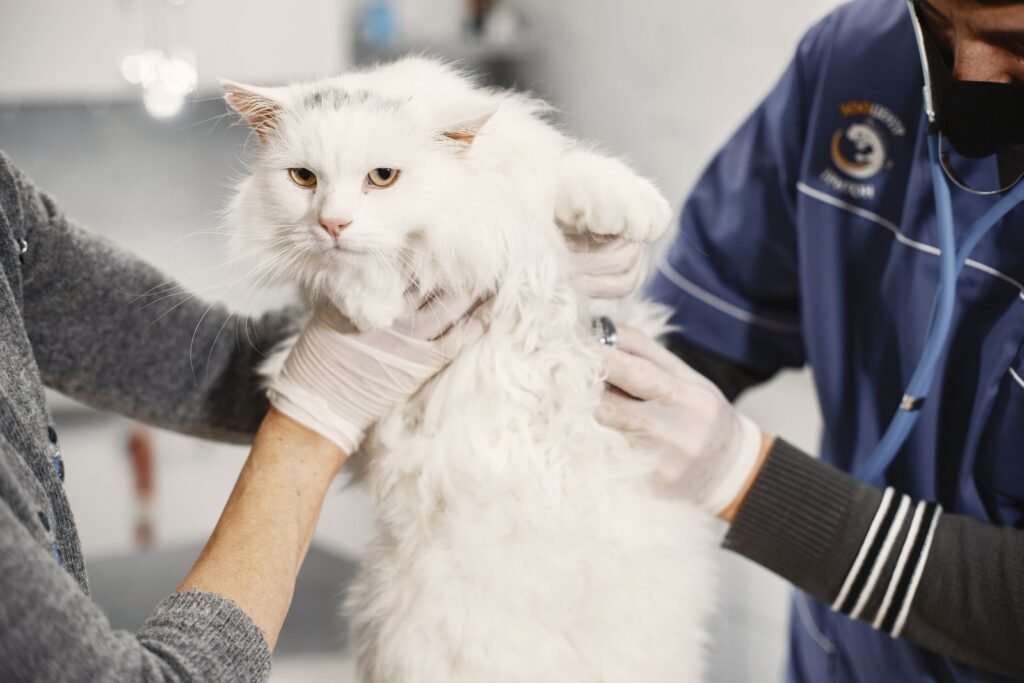
Signs of high blood pressure in cats
Often no signs at all
International Cat Care says that in most cats there are no signs of hypertension until the condition is advanced. Cats Protection agrees that there may be very few signs at first, and that signs can sometimes appear very suddenly.
In some cats, the signs of an underlying disease dominate instead. That is why vets recommend checking older cats even when they seem well.
Sudden blindness and eye changes
Bleeding into the eyes and changes to the retina may damage sight and even cause blindness. PDSA says retinal detachment is common in cats with high blood pressure and kidney disease, and that bleeding in the eye is often due to high blood pressure.
PDSA lists signs of blindness, including:
- cloudy eyes, or uneven or very wide pupils
- disorientation and bumping into things
- walking cautiously, or misjudging jumps
- hiding, or trouble finding the litter tray or food bowls
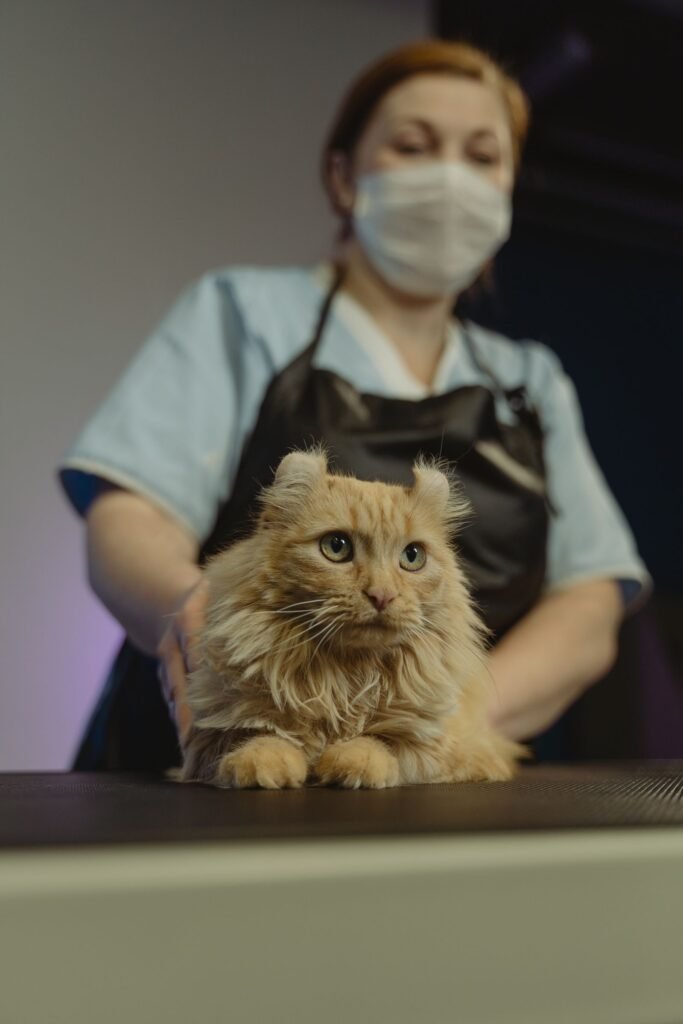
Changes in behaviour, brain and nerves
International Cat Care lists depression, lethargy and becoming withdrawn among the signs. Cats Protection adds disorientation and seizures.
Bleeding in the brain can cause unusual behaviour, a wobbly or drunken walk, seizures, dementia and coma. Our guide to what to do if your cat has a seizure covers first aid.
An older cat that yowls or seems confused could be in pain, anxious or have cognitive dysfunction, or it could have high blood pressure. International Cat Care points out that high blood pressure can be treated, so it is best to see a vet before assuming dementia.
Effects on the heart and kidneys
Over time the heart muscle can become thickened, and in severe cases this can lead to heart disease. Breathlessness and tiredness can also be seen. Our guide to fast breathing in cats explains when this needs urgent help.
The link with the kidneys works in both directions. International Cat Care says high blood pressure can damage the kidneys, and that it is likely to worsen existing kidney disease over time. However, the ISFM guideline says the exact role of hypertension in causing or speeding up kidney disease remains uncertain.
What to check at home
You cannot measure blood pressure at home, but you can watch for changes in your cat's eyes, movement and behaviour. Contact your vet about any of these, or any other change in behaviour or general health.
- Bumping into furniture or objects, or reluctance to jump.
- Cloudy eyes, pupils that look very wide or uneven, or blood visible in the eye.
- Hiding, or difficulty finding the litter tray or food bowls.
- Being quieter, more tired or more withdrawn than usual.
- Yowling, confusion or disorientation in an older cat.
- A wobbly, drunken-looking walk.
Emergency: Contact a Vet Immediately If…
- Your cat suddenly goes blind, or starts bumping into things.
- Your cat's pupils are very wide or uneven.
- There is bleeding or blood visible in the eye.
- Your cat has a seizure, collapses or walks as if drunk.
Call your vet or the nearest out-of-hours emergency vet straight away. Blindness is usually permanent, although some causes can be reversed if caught very early. Left untreated, these signs can become permanent.
When to Contact Your Vet
- You notice any sign listed above, or any change in your cat's behaviour or general health.
- Your older cat seems breathless or unusually tired.
- Your cat is over 7 and has never had its blood pressure checked.
- Your cat has kidney disease, an overactive thyroid or heart disease, because vets should check blood pressure in these cats.
Seek advice as soon as possible. Sudden blindness in a senior cat is usually caused by an underlying medical problem, and the most common cause is high blood pressure.
What causes high blood pressure?
Most cases are "secondary", which means another disease causes the high blood pressure. Occasionally it occurs with no other disease found.
Kidney disease
International Cat Care says the most common cause of secondary hypertension in cats is chronic kidney disease. PDSA also says kidney disease causes high blood pressure, which can lead to complications such as sudden blindness. Learn more in our guide to kidney disease in cats.
Overactive thyroid and other conditions
An overactive thyroid is another underlying cause. International Cat Care says high blood pressure is a less common complication, and in these cats weight loss despite eating more and hyperactivity may be the main signs. See signs of an overactive thyroid.
Blood pressure should also be checked in cats with heart disease or rarer hormone conditions such as hyperaldosteronism.
How vets check blood pressure
Checking blood pressure in cats takes a few minutes with an inflatable cuff placed around a leg or the tail. It is pain-free and well tolerated by most cats. Your vet will also examine the eyes and usually take blood to look for underlying disease.
Stress can change readings, because blood pressure varies with arousal and activity. Vets allow for this and may repeat the test on another day.
Sources vary on the starting age. International Cat Care and Vets Now both say from 7, while the ISFM guideline suggests at least yearly for healthy cats aged 7 to 10, and at least every 6 to 12 months from age 11. Cats with risk factors need checks sooner and more often. So, from around 7, ask your vet what schedule suits your cat. Our senior cat guide covers other age-related checks.
Treatment and outlook
Hypertension is treated with drugs that lower blood pressure, and an underlying disease also needs treatment, which may resolve the high blood pressure. Cats need daily medication and regular rechecks.
With treatment, primary hypertension can usually be managed and complications prevented. With secondary hypertension, the outlook depends on how severe the underlying disease is. Cats Protection says many cats go on to lead relatively normal lives.
However, blindness is usually permanent. PDSA and the Cornell Feline Health Center (US) both say it may be reversed in some cases, but only if caught and treated very quickly. International Cat Care says an early diagnosis can help minimise or prevent the damaging effects of high blood pressure on the eyes and other organs, which is why regular checks matter.
How Pet Med Direct Can Help
Pet Med Direct is an online pet pharmacy, not an emergency service. Sudden blindness or a seizure needs a vet straight away.
If your vet prescribes medicine for your cat, you can read how pet prescriptions work, browse our cat medication range, or set up repeat pet prescriptions for ongoing treatment.
Some pet medicines require a valid veterinary prescription. Pet Med Direct can only supply prescription medicines after the prescription has been checked. Always follow your vet's advice and the directions on the medicine label.
Frequently Asked Questions
Can I tell if my cat has high blood pressure just by looking?
Usually not. In most cats there are no signs until the condition is advanced. A blood pressure check at the vet is the way to find it early.
At what age should a cat have its blood pressure checked?
International Cat Care recommends regular checks for cats over 7, and sources differ slightly on how often. Ask your vet what schedule suits your cat.
Does a blood pressure check hurt my cat?
No. It takes a few minutes with an inflatable cuff on a leg or the tail, and it is pain-free.
Can stress give a false reading?
Stress can change a cat's blood pressure, which is why vets allow for it and may repeat the test on another day.
Will my cat's sight come back?
Blindness is usually permanent. In some cases it may be reversed if caught very early, so contact your vet straight away if you notice any change in your cat's eyes or vision.
Can high blood pressure in cats be treated?
Yes. It is treated with drugs that lower blood pressure, plus treatment of any underlying disease. Cats need daily medication and regular rechecks.
Related Cat Health Guides
Sources and Further Reading
- International Cat Care — Hypertension in cats
- International Cat Care / ISFM — ISFM Consensus Guidelines on the Diagnosis and Management of Hypertension in Cats
- Cats Protection — Elderly cats
- PDSA — Blindness in cats
- PDSA — Chronic kidney disease in cats
- International Cat Care — Hyperthyroidism in cats
- Vets Now — Old and elderly cats: 7 common health concerns and how to help
- International Cat Care — Cognitive dysfunction syndrome in cats
- Cornell Feline Health Center — Hypertension
This article was researched from the sources listed above. It is general information for cat owners and is not a substitute for advice from your own vet.

Need pet products or prescription medicines? Visit the Pet Med Direct shop.
Shop Pet Med Direct