✓ Registered Vet Practice
🚚 Fast UK-Wide Delivery, Including Northern Ireland
℞ Prescription & Non-Prescription Products
→ Need to upload a prescription?

How Can I Help My Senior Cat Stay Healthy?
Practical tips on senior cat health, from vet check-ups and weight to teeth, comfort and home changes.
Quick Answer
- Many UK sources class cats as senior from around 11, with "mature" from about 7, but your vet can advise when your cat needs extra checks.
- Regular vet check-ups are the foundation of care, and your vet will advise how often your cat needs them.
- Weight loss, drinking more, stiffness and toilet accidents can be early signs of illness, so do not dismiss them as "just old age".
- At home, soft warm beds, low-sided litter trays, ramps or steps, easy access to food and water, and a steady routine all help.
- Regular weighing, dental checks, gentle grooming and short play sessions support your cat's comfort.
Good senior cat health starts with noticing small changes early. Older cats adapt gradually and hide discomfort well, so signs of ageing are easy to miss unless you look for them.
Cats are living longer thanks to better nutrition, veterinary care and home care. Blue Cross reminds owners that old age is not a reason to accept ill health, and senior cats can lead happy, active lives. This guide covers the main care areas, from check-ups to home comforts.
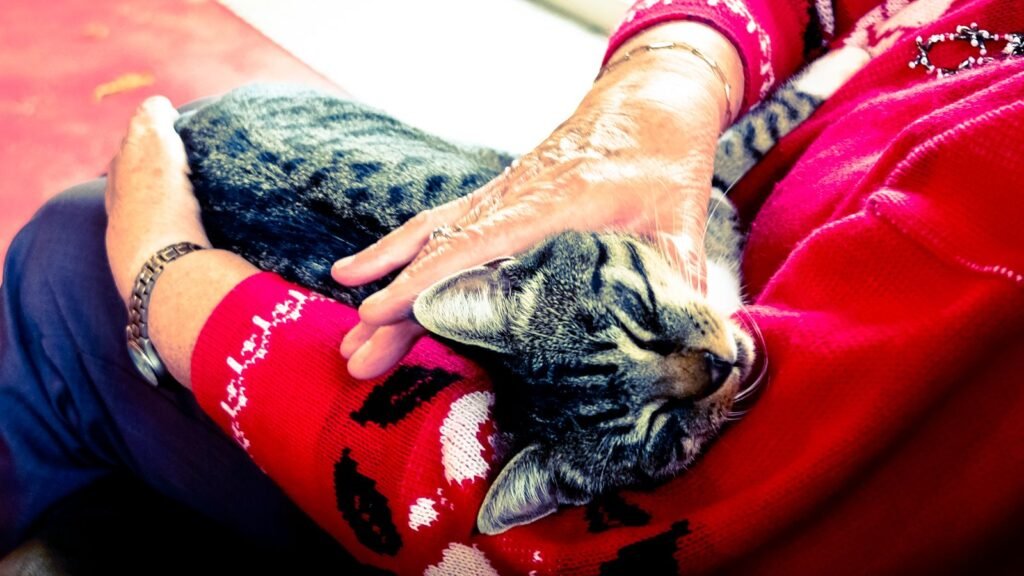
Senior cat health: the main care areas
When is a cat a senior?
Sources differ. International Cat Care calls cats "mature" from 7, "senior" from 11 to 14, and "super senior" from 15. Cats Protection, Battersea and PDSA also use around 11 as the start of the senior stage. Vets Now says senior comes at around 10.
So, rather than watching the calendar, ask your vet when your cat needs extra attention. The risk of certain diseases increases as cats reach 7 and over.
Regular vet check-ups
Routine check-ups are the backbone of senior cat health. Cats Protection says that from around 7 or 8 a vet may recommend check-ups twice a year. Vets Now says that from 7, annual checks should include blood pressure and urine analysis, with annual blood tests advised from 11. International Cat Care says your vet will advise how often your cat needs checks.
Keep vaccinations, flea and worming treatment up to date, because older cats have a weaker immune system. Before an appointment, note any behaviour changes and take videos of your cat moving, for example on the stairs. Many vets also offer special senior care.
Weight and body condition
Weight loss can be the first sign of illness in older cats, so speak to your vet if weight drops rapidly or your cat looks underweight without a diet change. Cats Protection says it could signal an overactive thyroid, kidney disease, diabetes or dental disease. See why a cat may be losing weight.
Older cats can also gain weight, which raises the risk of diabetes and arthritis. Blue Cross suggests weighing your cat every one to two months, which helps you spot weight loss that can be hard to see by eye. Never put your cat on a crash diet to help them lose weight. Speak to your vet instead.
Feeding and drinking
Cats Protection advises moving to a diet made for senior cats at around 11, because older cats need fewer calories but more good-quality protein. PDSA advises changing food gradually over 7 to 10 days, as sudden swaps can cause digestive problems. Cats Protection says vitamin supplements are usually unnecessary, so speak to your vet before giving any.
Older cats often lose some appetite as smell and taste fade. International Cat Care suggests offering little and often, in a quiet spot, with a wide shallow bowl. Do not leave uneaten wet food out for more than an hour.
Senior cats are also at greater risk of dehydration. Put out several easy-to-reach water bowls, away from food and litter. Drinking more than usual is a reason to see your vet.
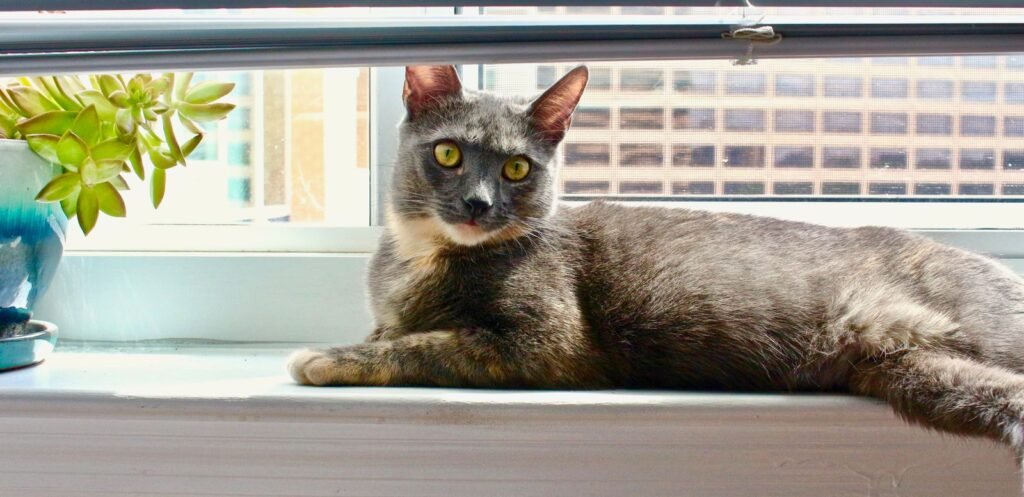
Teeth and mouth
Check your cat's teeth and mouth regularly. Bad breath, drooling, a chattering jaw, a reduced appetite and pawing at the mouth may all be signs of dental disease. Red, inflamed gums and visible tartar are other signs.
Blue Cross advises stopping tooth brushing if the gums are red, as it could be painful. Talk to your vet instead, and see our guide to dental disease in cats. Soft food can help a cat with sore teeth.
Joints and mobility
International Cat Care says arthritis is very common in older cats, but it may go undiagnosed because cats hide discomfort. Signs include less jumping, stiffness, difficulty using the litter tray, less grooming, overgrown claws and grumpiness. Read more in our guide to arthritis in cats.
Never give your cat human painkillers or other human medicines. Blue Cross says human painkillers are highly toxic to cats, and International Cat Care says the only medication to give is what your vet has prescribed.
Home comforts and litter trays
Offer a litter tray even if your cat goes outdoors. Older cats may avoid cold, damp weather, and an indoor tray lets you check urine and faeces. Choose a tray with low sides, large enough to turn round in, in a quiet, easy-to-reach spot. Several trays around the home can help.
If stairs are a struggle, keep food, water, beds and trays on one level. Add ramps or steps to favourite spots, and put cushions under windowsills as makeshift crash mats. Use mats or cut-pile runners on slippery floors.
Provide soft, warm, well-padded beds in easy places. Keep your routine and the layout steady, because older cats cope badly with change.
Grooming, claws and play
Help with grooming using a soft brush and a fine comb, and tease out mats rather than cutting them with scissors. Brush gently over bony areas such as the hips and spine. Grooming is also a chance to check for lumps and sores.
Senior cats can struggle to retract their claws, and claws can overgrow. International Cat Care says overgrown claws can sometimes point to a medical problem such as arthritis or an overactive thyroid, so speak to your vet before trimming claws. They can show you how to do it safely. Keep play gentle, in short sessions of a few minutes at a time.
Mind and behaviour
Cognitive dysfunction syndrome is the cat version of dementia. Signs include disorientation, a changed sleep-wake cycle, toileting in the house and loud crying, especially at night. International Cat Care says other conditions, including high blood pressure, can mimic it, so your vet must rule them out first.
It cannot be cured, but signs can be reduced with easy access to resources, a night light, routine and gentle play. Do not punish accidents. Also keep your cat's microchip details up to date, because older cats may become confused.
What to look out for in your senior cat
Spotting changes early is a big part of senior cat health. Some changes may be part of ageing, and others may signal a health problem. Cats Protection warns that it is easy to dismiss changes as normal old age. International Cat Care suggests an appointment if you notice:
- Loss of appetite, weight loss, or drinking more.
- Stiffness, limping or difficulty jumping.
- Tiredness, lumps or bumps, or balance problems.
- Toilet accidents, or difficulty passing urine or faeces.
- Disorientation or distress.
- Uncharacteristic behaviour, such as hiding, aggression or excessive vocalisation.
- Changes in grooming.
Battersea also lists blood in urine or stools, pawing at the mouth and drooling.
When to Contact Your Vet
- Your cat's belly is suddenly bloated. Cats Protection says this should be checked by a vet urgently.
- Your cat shows any sign in the list above, or is not eating.
- Your cat suddenly goes blind, or starts bumping into things. Cats Protection says sudden blindness in senior cats is usually caused by an underlying medical problem, most commonly high blood pressure, and to seek veterinary advice as soon as possible. Contact your vet straight away. Read about high blood pressure in cats.
- Your cat is struggling to breathe. Contact your vet or an out-of-hours emergency vet straight away. Our guide to fast breathing in cats explains more.
- Your cat cannot eat or drink normally, cannot stand or move normally, is incontinent or has uncontrollable pain. Cats Protection lists these among the signs to talk through with your vet when assessing quality of life.
Catching problems early may let your vet stop a treatable condition becoming life-threatening.
How Pet Med Direct Can Help
Pet Med Direct is an online pet pharmacy. Our cat food range includes veterinary diets, and our non-prescription cat dental care range is also available to browse. Your vet can advise whether any of these suit your cat.
If your vet prescribes ongoing medicine, you can set up repeat pet prescriptions so you do not run out.
Some pet medicines require a valid veterinary prescription. Pet Med Direct can only supply prescription medicines after the prescription has been checked. Always follow your vet's advice and the directions on the medicine label.
Frequently Asked Questions
At what age is a cat a senior?
Sources differ. Many UK sources class cats as senior from around 11, while Vets Now says around 10, and International Cat Care calls cats "mature" from 7. Ask your vet when to start extra checks.
How often should a senior cat see the vet?
It depends on your cat. Cats Protection says a vet may recommend twice-yearly check-ups from around 7 or 8, but International Cat Care says your vet will advise based on age and general health. Regular checks are a key part of senior cat health.
Is it normal for older cats to sleep more?
Cats Protection lists sleeping more as a common sign of ageing. However, changes in behaviour can also signal a health problem, so mention them to your vet.
Should I change my senior cat's food?
Cats Protection advises a senior diet at around 11. PDSA advises changing foods gradually over 7 to 10 days, and Cats Protection says to speak to your vet before giving any supplements.
Does my senior cat still need a litter tray if it goes outside?
Yes. Older cats may avoid cold, damp weather, and an indoor tray lets you check urine and faeces for changes.
Is confusion in an old cat always dementia?
No. High blood pressure, an overactive thyroid, kidney disease and arthritis pain can look similar, so your vet must rule them out first.
Related Cat Health Guides
Sources and Further Reading
- International Cat Care — Special considerations for senior cats
- International Cat Care — Cat care by life stage
- Cats Protection — Elderly cats
- Battersea — Caring for an older cat
- Blue Cross — Caring for older cats
- Vets Now — Old and elderly cats: 7 common health concerns and how to help
- PDSA — A guide to senior pet food and feeding your ageing pet
- International Cat Care — Cognitive dysfunction syndrome (senility, dementia) in cats
- International Cat Care — Arthritis in cats
This article was researched from the sources listed above. It is general information for cat owners and is not a substitute for advice from your own vet.

Need pet products or prescription medicines? Visit the Pet Med Direct shop.
Shop Pet Med Direct