✓ Registered Vet Practice
🚚 Fast UK-Wide Delivery, Including Northern Ireland
℞ Prescription & Non-Prescription Products
→ Need to upload a prescription?

Why Is My Cat Losing Weight?
A cat losing weight is usually a sign of a problem, so it is worth telling your vet early.
Quick Answer
- Weight loss in a cat is usually a sign of a problem, and the causes range from minor to serious, so always contact your vet if you think your cat has lost weight.
- Causes include an overactive thyroid, diabetes, kidney disease, dental disease, worms, stress and other illnesses, and only a vet can tell which one applies.
- Do not wait and see or assume it is just old age; ask your vet for advice instead.
- Contact your vet urgently if your cat has had a reduced appetite for three days or more, because cats can develop liver problems if they go without food even for a short time.
- A cat with diabetes that is weak, vomiting, off its food or collapsing needs urgent veterinary care.
A cat losing weight is usually a sign of a problem. The cause can be minor or serious, so any weight loss is worth a vet's attention.
Gradual weight loss is hard to spot, especially in a fluffy cat you see every day. This guide explains how to check, what may be behind it and what your vet is likely to do.
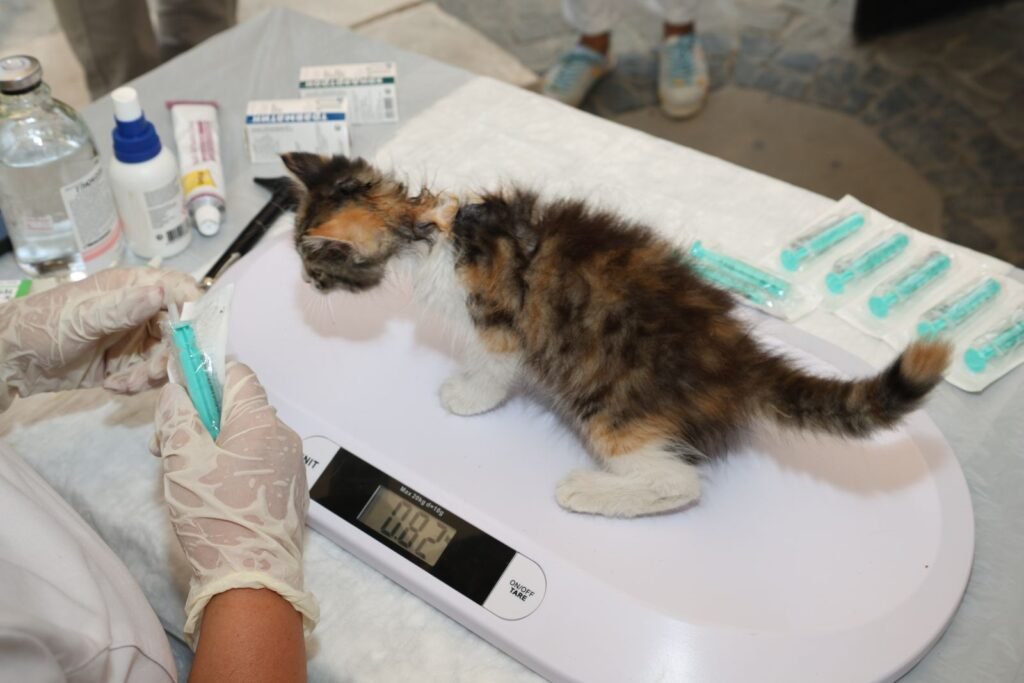
Common reasons for a cat losing weight
Only a vet can say which cause applies to your cat. These are the causes that UK vets and cat charities most often list.
Overactive thyroid
An overactive thyroid is a common condition in middle-aged and older cats, and it is rarely seen in cats under seven. Affected cats burn energy too quickly, so they often lose weight even though they eat more than normal.
Other signs can include more thirst, restlessness, a fast heartbeat and an unkempt coat. The signs are subtle at first and get worse over time, so they are easy to miss.
Not every cat with an overactive thyroid has a big appetite. Some are weak and tired and eat less.
A vet diagnoses it with an examination and a blood test. It is serious and can be fatal if left untreated, but most affected cats can be treated successfully. Our guide to the signs of an overactive thyroid in cats has more detail.
Diabetes
Diabetic cats tend to lose weight and also drink more, pee more, have an increased appetite and look untidy. Cats with diabetes have often been overweight and then lose weight very suddenly.
An overactive thyroid can cause similar signs, so a vet needs blood and urine tests to tell them apart. Read more in How Do I Know If My Cat Has Diabetes?
Kidney disease
Chronic kidney disease is one of the most common conditions of older cats. Weight loss, poor appetite, tiredness, more thirst and passing more urine are among the most common signs.
However, the signs are often subtle and mild at first. A vet diagnoses kidney disease with blood and urine tests. See How Do I Know If My Cat Has Kidney Disease? for the full picture.
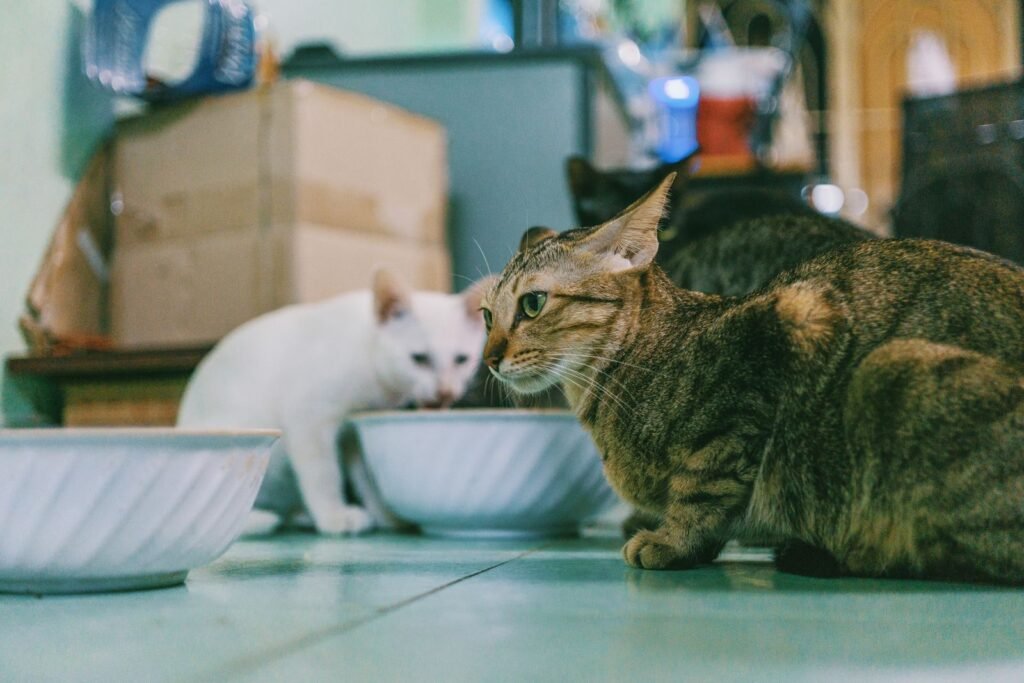
Dental disease and other causes of eating less
Dental disease appears on the cause lists from PDSA and Cats Protection, and dental problems affect eating. Many other diseases also reduce a cat's desire to eat, including kidney and liver problems, intestinal problems, infections and cancer.
In addition, any illness that causes nausea or pain can affect appetite. Our guide to the signs of dental disease in cats explains what to look for.
Worms
PDSA lists worms as one possible cause of weight loss. A cat that is eating more or always hungry can have an overactive thyroid, diabetes or worms. If you are unsure, see How Do I Know If My Cat Has Worms?
Stress
A stressed cat may go off its food, and that can cause weight loss. Even so, your vet will want to rule out illness first.
Other illness
PDSA also lists liver disease, pancreatitis, cancer, inflammatory bowel disease and viral infections such as FIV and FeLV as possible causes.
Age and activity
Older cats are more prone to health conditions that can affect their weight and muscle tone. However, weight loss in an older cat is on Cats Protection's list of symptoms never to ignore.
A cat that becomes more active may lose weight, and an outdoor cat may lose a little in summer from extra exploring. Even so, it is safest to have a vet look at any weight loss.
How to check whether your cat is underweight
Weighing your cat at home is not always the best test, because cats come in all shapes and sizes. Body condition is a better guide. In a cat at the right weight, you can feel the ribs but not see them, and you can see a slight waist behind the ribs from above.
These signs suggest a cat is underweight:
- The ribs are easy to see and feel.
- The belly is noticeably tucked up behind the ribs.
- The hip and lower-back bones are clearly visible.
- The spine is easy to feel and see.
- The cat looks bony, especially around the back legs and spine, which can mean muscle loss.
If you do weigh your cat at home, International Cat Care says weighing yourself with and without the cat is inaccurate. Electronic paediatric (baby) scales give a more accurate figure. Blue Cross suggests weighing your cat every one to two months to help spot weight loss, which can be difficult to see.
Other signs to mention to your vet
Weight loss rarely comes alone. These signs can help your vet narrow down the cause:
- Eating more, or eating less
- Vomiting or diarrhoea
- Drinking or peeing more than usual
- Low energy
- An untidy or poor coat
- Being very vocal and more demanding than usual
- Drooling or bad breath
For related symptoms, see Why Is My Cat Not Eating? and Why Is My Cat Vomiting?
Emergency: Contact a Vet Immediately If…
- Your cat has diabetes, or may have it, and is weak, very tired or off its food.
- A cat with diabetes vomits or collapses. These can be signs of diabetic ketoacidosis, a life-threatening complication that is likely to need hospital treatment.
Call your vet, or the nearest emergency vet if your vet is closed, straight away.
When to Contact Your Vet
- Always, if you think your cat has lost weight, even if it seems well in itself.
- Urgently, if your cat has had a reduced appetite for three days or more.
- If your cat is not eating normally or seems to have difficulty eating.
- If an older cat shows weight loss, changes in appetite or thirst, new symptoms, toileting changes or mobility changes.
Before the visit, make a note of any changes in behaviour. For an older cat, a video of how it moves may help your vet.
What your vet may do
When you take a cat losing weight to the vet, they will usually weigh it and assess its body condition. They are best placed to rule out underlying medical problems. Depending on the suspected cause, tests may include blood and urine tests, which help to check for conditions such as an overactive thyroid, diabetes and kidney disease, and a blood-pressure check.
Treatment depends on the cause. Once your vet finds it, they treat the underlying problem, which may include a special diet or medication. If there is no obvious medical reason, your vet can help you look for the cause.
For an older cat, your vet may suggest a senior diet to help keep weight on. Some cats prefer softer food or food that has been warmed. In some cases, a feeding tube may be used to give nutrition without stress.
What not to do
- Do not wait and see with a cat losing weight. PDSA says to get in touch with your vet if you think your cat has lost weight.
- Do not assume it is just old age. Vets can find causes that need treatment.
- If your cat is overweight, do not put it on a crash diet or restrict its food without talking to your vet. Sudden food restriction can make cats ill.
- Never force-feed a cat with a syringe. It can cause distress, or serious problems if your cat inhales food.
International Cat Care warns that it is dangerous for a cat to lose weight too quickly, because it can develop a potentially fatal liver disease called hepatic lipidosis.
How Pet Med Direct Can Help
If your vet advises a particular diet for your cat, you can browse our cat food range, including veterinary diets. Please follow your vet's advice on what to feed.
If your vet prescribes a medicine, our page on how pet prescriptions work explains how we can help.
Some pet medicines require a valid veterinary prescription. Pet Med Direct can only supply prescription medicines after the prescription has been checked. Always follow your vet's advice and the directions on the medicine label.
Frequently Asked Questions
Is weight loss normal in older cats?
Older cats can start to lose weight, but it can be caused by conditions such as kidney and thyroid disease. Treat it as a reason to see your vet rather than a normal part of ageing.
Can I weigh my cat at home?
Yes. Electronic baby scales are more accurate than weighing yourself with and without your cat. Note the weight regularly and tell your vet, but remember that body condition matters too.
How can I tell if my cat is too thin?
Look for ribs that are easy to see and feel, a belly tucked up behind the ribs, and a spine and hip bones that stand out. In a cat at the right weight, you can feel the ribs but not see them.
Can stress cause a cat to lose weight?
Yes. A stressed cat may go off its food, which can cause weight loss. However, your vet should rule out illness first.
My cat is eating more but still losing weight. What could it be?
A cat that is eating more or always hungry can have an overactive thyroid, diabetes or worms. Your vet can find out which, usually with an examination and tests.
Should I just feed my cat more?
Your vet is best placed to assess body condition and rule out underlying medical problems. Check with them before adding extras to the diet, because some foods may worsen an underlying illness.
Is a cat losing weight an emergency?
Weight loss alone is not usually an emergency, but you should always contact your vet about it. Act urgently if your cat has had a reduced appetite for three days or more, or if a cat with diabetes is weak, vomiting or collapsing.
Related Cat Health Guides
Sources and Further Reading
- PDSA — Weight loss in cats
- Cats Protection — How to tell if your cat is underweight
- International Cat Care — Inappetence in cats
- International Cat Care — Hyperthyroidism in cats
- PDSA — Hyperthyroidism in cats
- PDSA — Diabetes in cats
- Blue Cross — Caring for older cats
- Cats Protection — Elderly cats
- International Cat Care — Obesity in Cats
- International Cat Care — Chronic kidney disease (CKD) in cats
- PDSA — Chronic Kidney Disease (CKD) in cats
This article was researched from the sources listed above. It is general information for cat owners and is not a substitute for advice from your own vet.

Need pet products or prescription medicines? Visit the Pet Med Direct shop.
Shop Pet Med Direct