✓ Registered Vet Practice
🚚 Fast UK-Wide Delivery, Including Northern Ireland
℞ Prescription & Non-Prescription Products
→ Need to upload a prescription?

How Do I Know If My Cat Has Diabetes?
Drinking more, peeing more, eating more and losing weight are the classic signs a cat has diabetes, and your vet can confirm it.
Quick Answer
- The classic signs that a cat has diabetes are drinking more, passing urine more often, eating more and losing weight.
- Some diabetic cats also have a poor coat, weak back legs or seem lethargic, so the signs are easy to miss at first.
- Other illnesses, such as an overactive thyroid, can look similar, so only a vet can confirm diabetes using blood and urine tests.
- Contact your vet if you notice these signs, because the sooner diabetes is diagnosed and treated, the easier it is to manage.
- A cat that is vomiting, eating less or not eating, weak or collapsed, and has diabetes or may have it, needs a vet immediately.
How do you know if your cat has diabetes? Often the first clues are a cat that drinks more, pees more and seems hungrier, yet is losing weight. These changes can build slowly, so many owners miss them at first.
Diabetes happens when the body does not make enough insulin, or does not respond to insulin properly. Insulin is the hormone that lets sugar into the body's cells to be used for energy. When it is not working, blood sugar rises. This guide explains the signs, who is more at risk and how a vet checks.
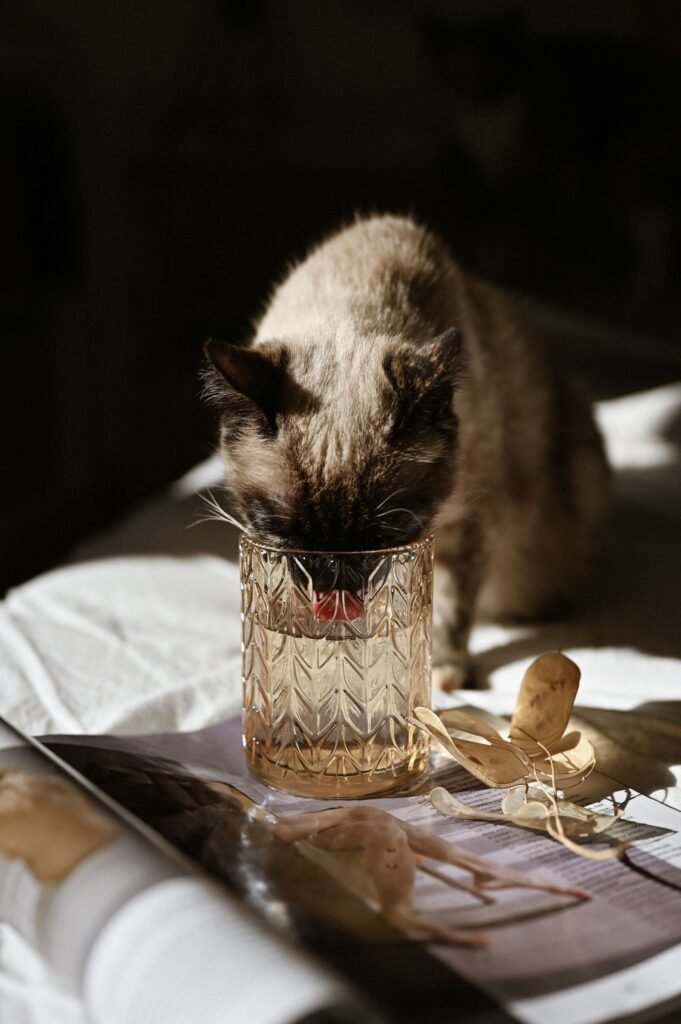
Signs that your cat has diabetes
Not every diabetic cat shows every sign. The pattern below is what UK vets and cat charities describe most often.
The most common signs
Vets list the same four signs again and again: drinking more, passing urine more often, eating more and losing weight. International Cat Care, PDSA and Blue Cross all describe this pattern.
Weight loss can come on very suddenly in a cat that was overweight. However, not every diabetic cat looks as if it has lost weight.
Quieter signs that are easy to miss
Some diabetic cats have a poor, untidy-looking coat. Others seem weak, especially in the back legs. Cats Protection also lists lethargy, vomiting and being more prone to infections.
A diabetic cat can sometimes go off its food too. A cat not eating has many possible causes, so see Why Is My Cat Not Eating? for the wider picture.
A few diabetic cats walk with their heels (hocks) dropped to the ground, because of nerve damage in the back legs. PDSA calls this rare, and says it can be reversed if diabetes is diagnosed early enough.
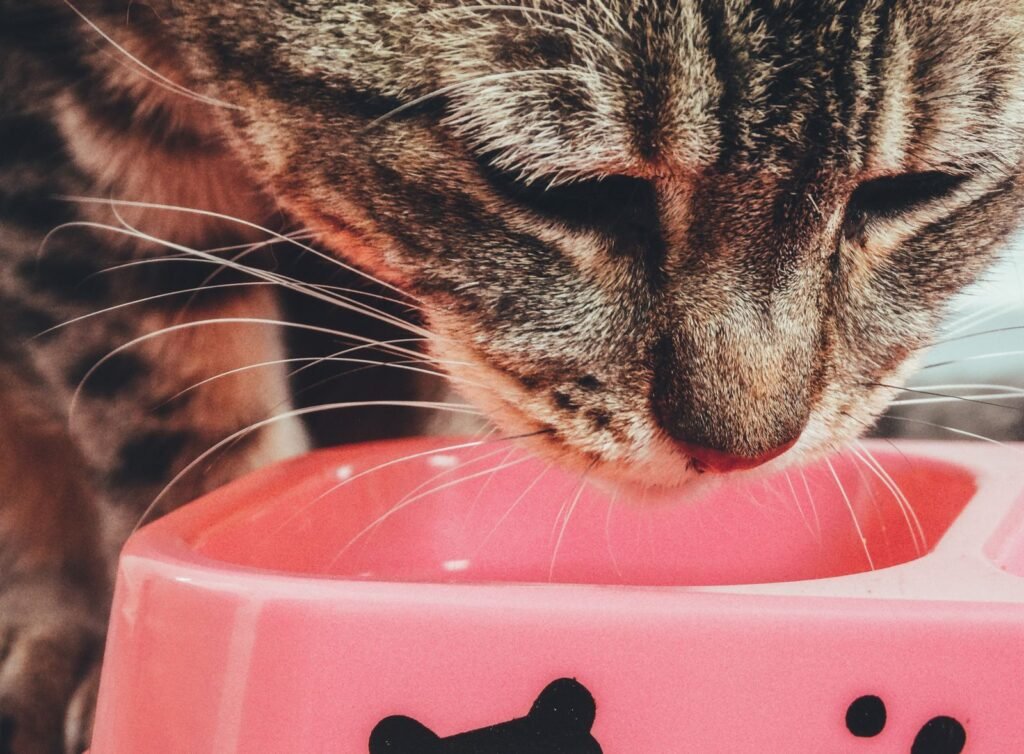
Signs of a bladder infection
Diabetes can make a cat more prone to bladder infections. Signs can include straining to pass urine, blood in the urine, leaking urine or peeing outside the litter tray.
If you see any of these, contact your vet. Our guide to why a cat may strain to urinate explains this sign in more detail.
Why the signs can go unnoticed
Diabetes often develops gradually, so the signs may not be noticed at first. They are easier to miss if your cat spends a lot of time outdoors.
Cats that eat wet food also get much of their water from it. This can make extra drinking harder to spot. For more on thirst, read Why Is My Cat Drinking More Water Than Usual?
Which cats are more at risk?
Diabetes is more common in middle-aged and older cats. It is also much more common in neutered cats and overweight cats, and obesity is a recognised risk factor.
Some long-term medicines, such as prolonged steroids, can make a cat more likely to develop diabetes. Other illnesses can raise the risk too, including pancreatitis, acromegaly, urinary tract infections and an overactive thyroid.
A large English study found higher odds of diabetes in Burmese cats, along with a few other breeds. Several sources also list male cats as more at risk. However, that same study did not find that sex made a significant difference, so the sources disagree on this point.
Keeping a healthy weight matters. Our guide Is My Cat Overweight? explains how to check.
What to note at home before the vet visit
A few simple notes help your vet. They also help you spot changes sooner.
- Whether your cat drinks more than usual. If possible, measure how much it drinks each day.
- Whether your cat pees more often, or is going outside the litter tray.
- Appetite and behaviour, including any vomiting.
- Your cat's weight. Scales made for babies can work well, and a weekly note is enough.
- The state of the coat and how your cat walks and jumps.
Your vet may ask for a urine sample. Check with the practice first about how to collect one. International Cat Care describes using non-absorbable litter and a clean pot.
Do not starve your cat or cut its food without vet advice. If your cat is overweight, ask your vet to plan a safe weight-loss programme.
Emergency: Contact a Vet Immediately If…
- Your cat has diabetes, or may have it, and is vomiting, has diarrhoea, is eating less or has stopped eating, is weak and low in energy, or has collapsed. These can be signs of diabetic ketoacidosis, a life-threatening complication that is likely to need hospital treatment.
- A cat already on diabetes treatment is weak, wobbly, disorientated, looks "drunk", is twitching, has a seizure or has collapsed. These can be signs of low blood sugar, which can happen in cats already on diabetes treatment.
Call your vet, or the nearest out-of-hours emergency vet if yours is closed, straight away, and follow the plan your cat's own vet has given you.
When to Contact Your Vet
- If your cat is drinking more, peeing more, eating more or losing weight, or you are worried it might have diabetes. Contact your vet without delay to arrange an appointment.
- If a cat on treatment keeps showing signs of diabetes, or becomes unwell.
- If a cat on treatment vomits or refuses food. Speak to your vet for advice before giving its usual treatment.
- If you make a treatment mistake, such as missing a dose. Do not panic, but contact your vet for advice straight away.
Never change your cat's treatment or diet unless your vet asks you to.
How vets confirm a cat has diabetes
Your vet will take a history, examine your cat and test blood and urine. They look for high blood sugar and for sugar in the urine.
Stress can raise a cat's blood sugar, especially at the vet. So your vet may repeat the test on another day or use other tests. One type of blood test shows average blood sugar over the previous weeks, so short-term stress does not affect it.
Other illnesses, such as an overactive thyroid, can cause similar signs. For that reason, vets run extra blood tests to rule out other problems. A very unwell cat may need to be admitted to hospital while the vet reaches a diagnosis.
Treatment and outlook in general terms
Treatment is usually insulin injections, plus diet and weight control. Your vet will teach you how to give the injections. The needles are tiny, and most cats tolerate them well.
Some otherwise healthy cats can instead have a once-daily liquid or tablet. Your vet decides whether your cat is suitable. Diet is also chosen with your vet, and an overweight cat needs a vet-guided plan to lose weight safely.
Treatment also needs regular check-ups, weighing and blood tests. Routine matters, so injections and meals should happen at roughly the same times each day.
Without treatment, diabetes causes suffering and severe illness. With it, many diabetic cats have an excellent quality of life. The outlook is worse in cats with other illnesses alongside diabetes.
Some cats go into remission, meaning they no longer need injections. Not all cats can achieve this, and diabetes often returns, so close monitoring is needed. Treating a diabetic cat takes commitment, so talk openly with your vet about what is right for you and your cat.
How Pet Med Direct Can Help
Your vet decides how diabetes is treated. If they prescribe medicine, our guides to how pet prescriptions work and repeat pet prescriptions explain how we can help.
We also list a prescription-only diabetes medicine category. These are prescription-only medicines, supplied solely against a valid prescription from a cat's own vet. A listing does not mean your cat needs them.
If your vet recommends a particular food, you can browse our cat food range, including veterinary diets.
Some pet medicines require a valid veterinary prescription. Pet Med Direct can only supply prescription medicines after the prescription has been checked. Always follow your vet's advice and the directions on the medicine label.
Frequently Asked Questions
What should I do if I think my cat has diabetes?
Contact your vet and book an appointment. Note your cat's drinking, peeing, appetite and weight beforehand. The sooner diabetes is diagnosed and treated, the easier it is to manage.
Can diabetes in cats be cured?
It can be controlled, and some cats go into remission and no longer need injections. However, diabetes often comes back after remission, so your vet will want to monitor your cat closely.
Do all diabetic cats need injections?
Most do. Some suitable cats can have a once-daily liquid or tablet instead. Your vet decides which option fits your cat.
Does a cat that eats a lot and loses weight definitely have diabetes?
No. An overactive thyroid can look similar, so tests are needed to tell them apart. See What Are the Signs of an Overactive Thyroid in Cats? for more.
Can stress affect a diabetes test?
Yes. Stress, especially at the vet, can raise blood sugar. Your vet may repeat the test on another day or use a different test.
Can diabetic cats have a good quality of life?
Many do. With treatment, diet and regular check-ups, many well-managed diabetic cats live happily. The outlook is worse if other illnesses are present too.
Can diabetes be prevented?
Not every case can be prevented. However, feeding a good-quality diet, keeping your cat slim and encouraging it to stay active reduces the chance.
Related Cat Health Guides
Sources and Further Reading
- PDSA — Diabetes in cats
- International Cat Care — Diabetes mellitus in cats
- Blue Cross — Diabetes in Cats
- Cats Protection — Diabetes In Cats and How to Treat It
- Royal Veterinary College (VetCompass) — Epidemiology of feline diabetes mellitus
- Royal Veterinary College — RVC Diabetic Remission Clinic
- MSD Veterinary Manual — Disorders of the Pancreas in Cats
- VCA Animal Hospitals — Diabetes Mellitus in Cats - Overview
- Cornell Feline Health Center — Feline Diabetes
This article was researched from the sources listed above. It is general information for cat owners and is not a substitute for advice from your own vet.

Need pet products or prescription medicines? Visit the Pet Med Direct shop.
Shop Pet Med Direct