✓ Registered Vet Practice
🚚 Fast UK-Wide Delivery, Including Northern Ireland
℞ Prescription & Non-Prescription Products
→ Need to upload a prescription?

Why Is My Cat Drooling?
Cat drooling can be a sign of a relaxed, contented cat, or of pain, nausea or poisoning. Here is how to tell the difference.
Quick Answer
- Some drooling is normal, because certain cats drool when they are happy, relaxed and purring.
- Excessive drooling, or a sudden change in your cat's drooling habits, can be a sign of an underlying problem such as dental disease, mouth pain, nausea or poisoning.
- Contact your vet if your cat drools more than usual, and straight away if the drooling suddenly increases, becomes continuous or comes with vomiting, diarrhoea, lethargy or distress.
- Drooling after possible contact with a lily or another poison, a swallowed object, heatstroke or breathing difficulty is an emergency, so call your vet at once.
- Never try to make your cat sick at home, and never pull a string that is hanging from its mouth.
Cat drooling is not always a cause for alarm. Some cats dribble when they are content, while for others it is a sign that something is wrong.
The key question is whether the drooling is normal for your cat. Drooling that is new, or that suddenly changes, is worth taking seriously.
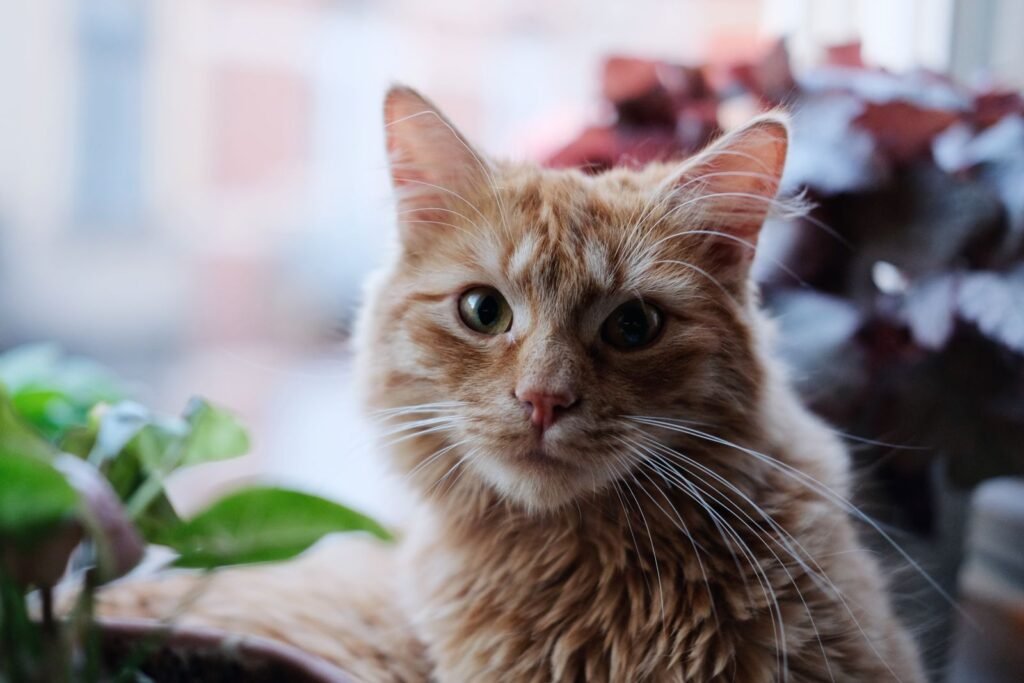
Common Causes of Cat Drooling
Drooling can be completely normal in cats, but it can also have many different causes.
A relaxed, contented cat
Some cats drool as a response to being happy and relaxed. A certain amount can be normal, especially when your cat is content and purring.
A Cats Protection vet has said that some cats drool in excess when they are stroked, or when they are kneading and purring. However, if this is new behaviour for your cat, a vet examination is recommended.
Dental disease
Dental disease is a common cause of cat drooling. It is usually accompanied by bad breath and discomfort while eating and grooming.
Other signs of dental disease include red, sore or bleeding gums, a reduced appetite, weight loss, pawing at the mouth, tartar and loose teeth. Cats often hide dental pain, and some cats with significant dental disease show very few signs.
A tooth root abscess usually causes swelling on one side of the face, just under the eye. Feline chronic gingivostomatitis, a widespread inflammation of the mouth, is extremely painful, and affected cats often have difficulty eating, drool and paw at their mouths.
Our guides to the signs of dental disease in cats and to why a cat has bad breath cover this in more detail.
Other sources of mouth pain
Anything else that causes pain inside the mouth can lead to excessive drooling. Examples include an ulcer, or an illness such as cat flu.
PDSA lists mouth ulcers among the signs of cat flu. A sore throat in cat flu may show as swallowing or gagging.
A veterinary reference manual also lists inflammation of the mouth or tongue, injuries, foreign objects and tumours among the causes of excess salivation in cats.
Nausea and an upset stomach
It is very common for cats to drool and lick their lips a lot when they feel sick. Before vomiting, a cat may also swallow more than usual and retch.
Stomach upsets such as gastritis can cause drooling, vomiting and a reduced appetite. Our guide to why a cat is vomiting explains more.
The same veterinary reference also lists kidney failure and liver-related effects on the brain among the causes of excess salivation. It names motion sickness, fear, nervousness and excitement as well.
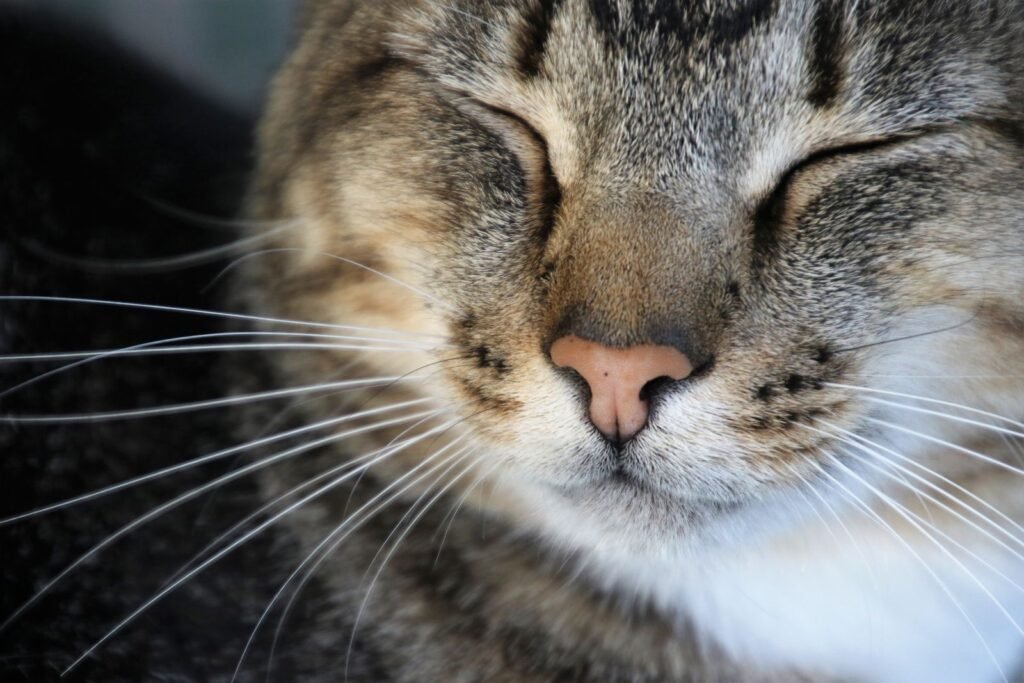
Something stuck in the mouth or swallowed
If something is lodged in the mouth, such as a bone or a cat biscuit, your cat is likely to drool excessively, paw at its mouth and show signs of distress. Difficulty swallowing can also make saliva build up, so your cat appears to drool.
A swallowed object can also block the gut. This can cause vomiting, pain, pooing less, low energy, little interest in food and weight loss. Signs of feeling sick, such as drooling, lip smacking and swallowing, can appear too.
String, thread, hair bands, rubber bands and tinsel are the most common items to cause a blockage in cats. If you can see string hanging from your cat's mouth, never pull it.
Poisoning
Excessive drooling can be caused by contact with a toxin or poison. Examples include certain plants, chemicals and medications.
Vets Now lists drooling among the signs of poisoning, alongside vomiting, diarrhoea, difficulty breathing and lethargy or weakness. Cats Protection lists salivation among the signs of plant poisoning.
Drooling is also an early sign of lily poisoning, which is an emergency. See our guide on whether lilies are poisonous to cats.
Overheating
A cat that is overheating is likely to drool excessively and may even foam at the mouth. Blue Cross lists panting, dribbling and weakness as signs of heatstroke, while Vets Now lists agitation, drooling, vomiting and skin that is hot to the touch.
Heatstroke can follow a cat being accidentally trapped in a hot, poorly ventilated place, such as a shed, greenhouse, conservatory or garage. Long-haired, overweight, very old, very young and flat-faced cats find it harder to cool down.
PDSA says to start cooling a cat down immediately if it shows signs of heatstroke, and then to contact your vet. Our guide on why a cat is breathing fast has more on breathing changes.
Seizures, electric shock and medicine
It is common for cats to drool before, during and after a seizure. Read our guide on what to do if your cat has a seizure.
Vets Now says an electric shock, for example from chewing a cable, can cause burns that are not obvious at first. Ulcers in the mouth may show up days later as mouth pain, excess drooling or a foul smell.
A veterinary reference also lists giving medicine as a possible trigger for salivation, particularly in cats.
What to Look for Alongside Cat Drooling
The drooling itself is only part of the picture. Notice when it happens, such as when you stroke your cat or all the time. This helps your vet work out the cause. Look out for:
- Bad breath, pawing at the mouth, or difficulty eating or grooming.
- A reduced appetite.
- Vomiting, diarrhoea or lethargy.
- Signs of pain or distress.
- Foaming at the mouth.
Emergency: Contact a Vet Immediately If…
- Your cat's drooling suddenly increases or becomes continuous.
- You think your cat has had contact with a lily or any other poison or toxic plant. Do not wait for more signs to appear.
- You think your cat has swallowed something that could block its gut, or you can see string hanging from its mouth. Never pull the string.
- You think your cat has heatstroke, for example after being trapped somewhere hot.
- Your cat has had an electric shock or chewed a cable and shows burns, pain or distress, is drooling more, pawing at its mouth, coughing, struggling to breathe, having seizures or has collapsed.
- Your cat has a seizure, or repeated seizures.
- Your cat is breathing rapidly or with its mouth open while at rest.
Call your vet or the nearest out-of-hours emergency vet straight away. Do not try to make your cat sick.
When to Contact Your Vet
- Your cat is drooling more than usual, or the drooling is new for your cat.
- The drooling comes with vomiting, diarrhoea or lethargy.
- Your cat seems distressed or in pain.
- You think your cat has eaten something toxic.
- You notice bad breath, pawing at the mouth, or difficulty eating or grooming.
Do not assume drooling is harmless, and do not assume it is serious either. Your vet can tell which it is.
How Your Vet Finds the Cause
Your vet will ask about your cat's drooling habits, medical history and any other signs. They will examine your cat, including checking inside its mouth.
If the cause is not obvious, they may run further tests, such as blood tests.
Treatment depends on the cause. If your cat has a problem with its teeth, it will need dental treatment. PDSA says this can include pain relief, a scale and polish under anaesthetic, and removal of badly diseased teeth, and that cats adapt very well to having teeth removed.
If nausea is the cause, the reason for it may need further investigation. A blocked gut usually needs an emergency operation, so do not wait if you suspect your cat has swallowed something.
What Not to Do
- Never try to make your cat vomit at home, and do not use salt water.
- Do not try to treat or medicate your cat yourself if you suspect poisoning.
- Never pull a string hanging from your cat's mouth.
- Do not wait to see what happens if you think your cat has swallowed an object.
- Never use human toothpaste or mouthwash on a cat.
If you think a toxin was involved, call your vet first and follow their advice. They will want to know what the substance was and how much your cat may have had, and it helps to take any packaging, label or sample with you.
Keeping the Mouth Healthy and Hazards Out of Reach
International Cat Care says cats should ideally have their teeth examined by a vet at least once every 12 months, and cats that have had dental problems every 3 to 6 months, depending on their condition.
PDSA describes brushing with cat-safe toothpaste as by far the best way to keep a cat's mouth healthy. Stop and speak to your vet if your cat shows pain or its gums bleed.
Keep thread, wool, string, hair bobbles and decorations out of reach, because cats can swallow them.
How Pet Med Direct Can Help
If your vet finds a dental problem, Pet Med Direct supplies a range of non-prescription cat dental care products. Ask your vet whether any of them suit your cat.
If your vet prescribes a medicine, you can find out how pet prescriptions work or browse our cat medication range.
Some pet medicines require a valid veterinary prescription. Pet Med Direct can only supply prescription medicines after the prescription has been checked. Always follow your vet's advice and the directions on the medicine label.
Frequently Asked Questions
Is it normal for a cat to drool when purring?
It can be. Occasional drooling while a cat is relaxed is common, but new or heavy drooling still deserves a vet check.
Why is my cat drooling and not eating?
Dental disease, an upset stomach and a blocked gut can each cause drooling along with a reduced appetite or little interest in food. Contact your vet, because your cat needs to be examined to find out the cause.
Can drooling mean my cat has been poisoned?
Yes, among other signs. If poisoning is possible, ring your vet immediately and do not try to make your cat sick.
Will my cat's drooling go away?
It depends entirely on the cause. Dental causes are treatable, and cats usually cope well after teeth are removed.
Related Cat Health Guides
Sources and Further Reading
- PDSA — Drooling in cats
- Cats Protection — Cat drooling and other cat dental issues
- International Cat Care — Dental Disease in Cats
- PDSA — Dental Disease in Cats
- PDSA — Bowel Obstruction/Intestinal Blockage in cats
- PDSA — Heatstroke in cats
- Blue Cross — Emergencies in cats
- Vets Now — 14 tips on how to keep a cat cool in hot weather and how to cool a cat down
- Vets Now — My cat has had an electric shock, what should I do?
- International Cat Care — Seizures in cats
- Cats Protection — Dangerous plants
- Vets Now — Cat poisoned symptoms: How can I tell if my cat's been poisoned?
- RSPCA — Poisoning in cats
- International Cat Care — Lily poisoning in cats
- PDSA — Lily poisoning in cats
- Cats Protection — Vomiting in cats
- Blue Cross — Vomiting and diarrhoea in cats
- PDSA — Cat flu
- MSD Veterinary Manual — Salivary Disorders in Small Animals
- MSD Veterinary Manual — Causes of Excessive Salivation in Cats
- Vets Now — Why is my cat being sick?
This article was researched from the sources listed above. It is general information for cat owners and is not a substitute for advice from your own vet.

Need pet products or prescription medicines? Visit the Pet Med Direct shop.
Shop Pet Med Direct