✓ Registered Vet Practice
🚚 Fast UK-Wide Delivery, Including Northern Ireland
℞ Prescription & Non-Prescription Products
→ Need to upload a prescription?

What Should I Do If I Find a Lump on My Dog?
Found a lump on my dog: what now? Most lumps are not cancerous, but every new lump needs checking by a vet. Here is what to note and when to call.
Quick Answer
- Lumps are common in dogs and most are not cancerous, but you should contact your vet every time you find a new lump, even if it looks harmless.
- PDSA says it is rare to be able to tell what a lump is just by looking at it, and most lumps need further testing, so you cannot rely on how a lump looks or feels.
- Photograph any new lump, record its size and note any changes, so you can describe them to your vet.
- If a lump is growing quickly, painful, bleeding, changing, hard or knobbly, or attached to deeper tissue, Vets Now says to seek a vet opinion sooner rather than later.
- Your vet can investigate with a fine needle aspirate or a biopsy, and treatment depends entirely on the type and location of the lump.
"I found a lump on my dog, so what should I do?" is a very common worry. Lumps are common in dogs and most are not cancerous, but any new lump should be checked by a vet.
This guide explains what to note about a lump, the kinds of lump a vet may find and how vets investigate them. PDSA says it is rare to be able to tell what a lump is just by looking at it, so the aim is to help you decide what to do next, not to diagnose.
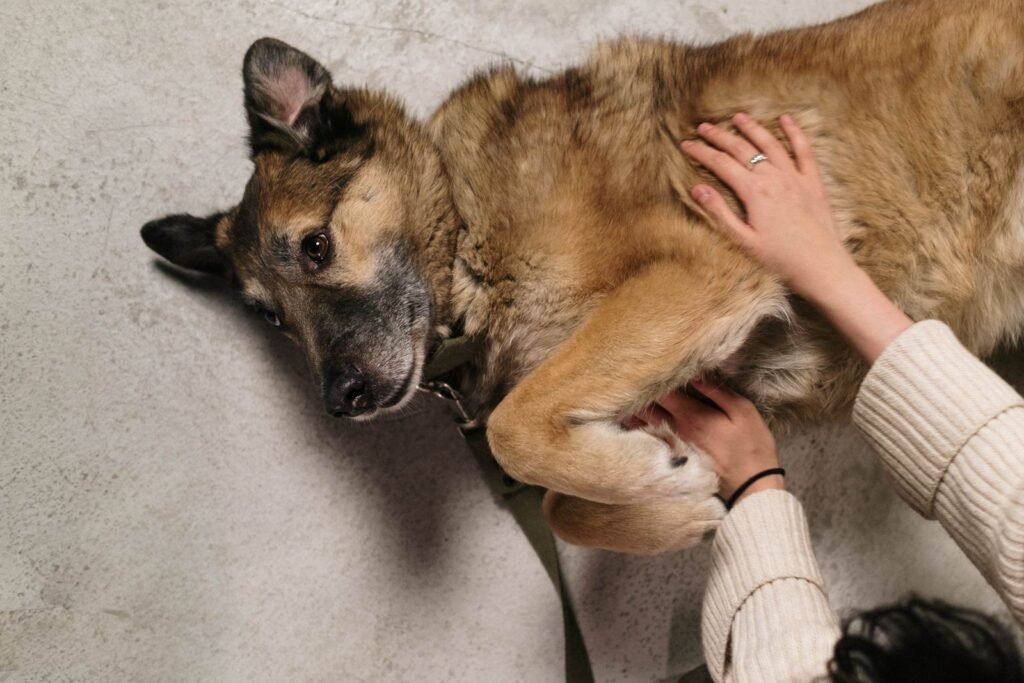
What Could a Lump on My Dog Be?
Lumps can come from infections, warts, cysts, non-cancerous tumours or cancerous tumours. The descriptions below are typical examples only and should not be used to judge a lump yourself. A vet may use a lump's location and appearance as clues, but PDSA says most lumps need further testing.
Abscesses
An abscess is a painful collection of pus under the skin. It is hot, red and very tender, and it can cause fever and lethargy. It is usually a bacterial infection following a wound such as a bite, so contact your vet for an appointment.
Fatty lumps (lipomas)
A lipoma is a non-cancerous fat growth that is extremely common, especially in older and overweight dogs. PDSA says lipomas tend to be soft and mobile, are usually very slow-growing and do not spread around the body, although one can become firmer and more fixed in place if it grows into the muscles around it.
The Royal Kennel Club says lipomas rarely need removal. It says surgery is indicated only if one causes discomfort, suddenly grows rapidly, ulcerates, repeatedly gets infected or attracts persistent licking, and that is a decision for your vet. VCA notes that the malignant form is called a liposarcoma. PDSA's advice is to have every new lump checked, even one that looks harmless, so that includes a lump you think may be a lipoma.
Cysts, warts and skin tags
A skin cyst is a round, fluid-filled lump from a blocked hair follicle or skin gland. Most are harmless, but they can become inflamed, infected or painful. Avoid squeezing or puncturing one.
Warts (papillomas) are non-cancerous growths caused by a virus and commonly seen in younger dogs. PDSA says most resolve on their own within a few months, and that a vet might recommend removal if there are several in one area, one is in a sensitive place such as the mouth, or one becomes large, irritated or bleeds frequently. The Royal Kennel Club adds that older dogs are more likely to grow warts and other small skin growths, which are usually non-serious, but says to get your vet to examine them.
Skin tags are non-cancerous overgrowths of connective tissue, common in middle-aged and older dogs. They often resemble warts and are usually harmless unless irritated or bleeding.
Histiocytomas
A histiocytoma is a non-cancerous growth that is most commonly seen in dogs under two. PDSA says it tends to be red, round and angry looking, and appears very suddenly, and that most disappear without treatment after a few weeks. Even so, PDSA advises that any new skin lump that is red, itchy or growing quickly should be checked as soon as possible, so do not wait to see whether a lump disappears.
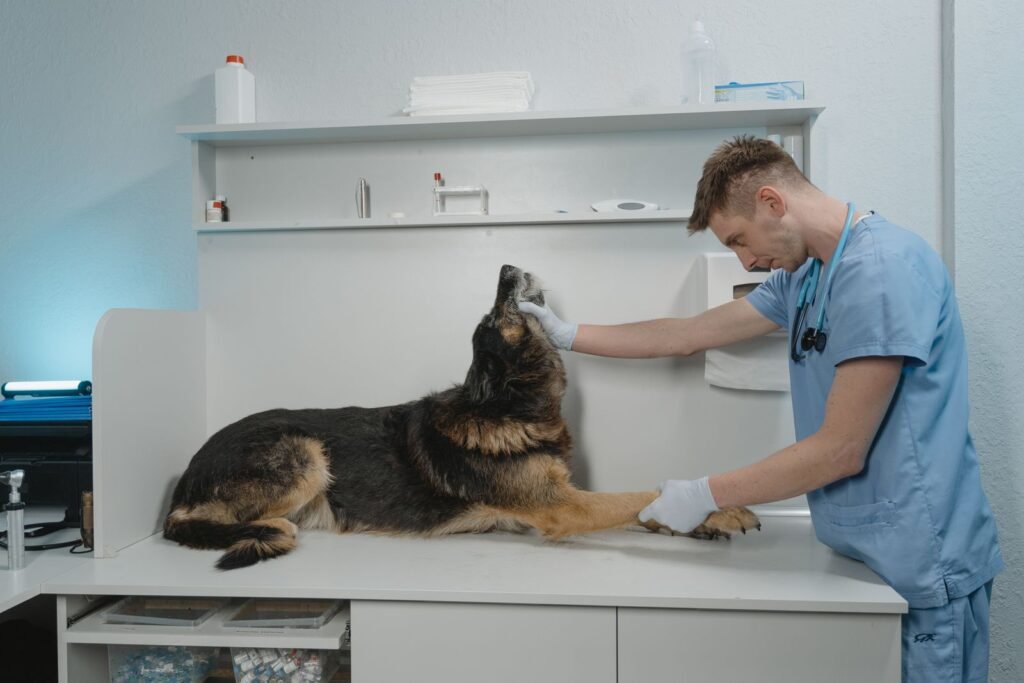
Mast cell tumours
Mast cell tumours are a type of skin cancer that can develop anywhere on the body, but are most common on the chest, legs, feet and around the bottom. PDSA says they are often red, inflamed and itchy, that they do not all look the same, and that they can grow and shrink quickly.
VCA says they are classically called "the great pretenders", because they may resemble an insect bite, a wart, an allergic reaction or a less serious skin tumour, and that any skin abnormality you notice should be evaluated by a vet. PDSA lists breeds that seem more prone to them, including Boxers, Labradors and Pugs.
Tumours can be graded in a lab. PDSA says low-grade tumours tend not to spread and can often be cured by surgery, while high-grade tumours are more aggressive and can spread. Treatment depends on location, size, grade and spread, and PDSA says not all mast cell tumours are curable.
Other skin cancers
Skin melanomas are mostly benign, but those in the mouth, under the nailbed or around the bottom are more likely to be cancerous.
The Royal Kennel Club says more serious lumps, such as mammary cancers, mast cell tumours and melanomas, usually need speedy treatment.
Swellings that are not tumours
One or two enlarged lymph nodes tend to indicate a minor infection, but several in different areas can sometimes be a sign of a more serious condition such as cancer, so contact your vet for advice. A haematoma is a blood-filled swelling, usually from a knock, and PDSA says it should always be checked by a vet.
Once feeding, ticks can grow to the size of a small pea and are often mistaken for lumps or skin tags. Never pull one off without a specialised tick remover, and see our guide on what to do if your dog has ticks.
PDSA says insect bite reactions tend to be short-lived and usually resolve without treatment. Injection site reactions are relatively common and most resolve by themselves, but PDSA says to let your vet know if one has not resolved within a couple of weeks, starts to get bigger, bothers your dog or seems painful. That does not change the advice to have any new lump checked.
What to Check and Note About a Lump
PDSA suggests checking your dog for lumps at least once a week. Start at the head with the ears, eyes and mouth, then gently run your hands over the whole body, including the legs, tail, bottom and genitals. Vets Now says that being familiar with what is there and what is new helps, and that knowing how your dog feels under the skin is important because fur covers a lot.
If you find a lump, contact your vet. PDSA says to do this even if your dog has had lumps before, because a new lump could be different from the last. It also helps to photograph the lump and note its size. Vets Now suggests these questions about a lump:
- Is the lump on my dog growing quickly?
- Is it painful, or bleeding?
- Is it changing?
- Is it irregular, hard or knobbly?
- Is it big enough to cause problems?
- Is it attached to deeper tissue, rather than moving freely with the skin?
If you answer yes to any of these, Vets Now says to seek a vet opinion sooner rather than later. However, PDSA's advice is to contact your vet about every new lump, so answering no to all of them is not a reason to wait.
If your vet asks you to monitor a lump, follow their instructions on how often to check. PDSA's lump monitoring guide suggests checking it at least once a week, taking photos from different angles and measuring its length and width with a ruler, and noting its shape, texture, colour, whether it seems painful or itchy and any discharge. Other PDSA pages suggest measuring about once a month or every couple of weeks, so the right timing is one to confirm with your vet. PDSA says to contact your vet if you notice the lump changing, for example growing rapidly, changing in shape, colour or texture, bleeding, discharging or causing pain.
When to Contact Your Vet
- Urgent: contact your vet immediately if a swelling appears after an insect bite and your dog has difficulty breathing, severe swelling, collapse, vomiting or diarrhoea (PDSA). Dogs Trust also lists difficulty breathing, collapse, uncontrolled bleeding and bite wounds from other animals as reasons to seek urgent veterinary attention.
- Every time you find a new lump, even if it looks harmless. PDSA says the earlier a lump is spotted, the higher the chance that treatment will be successful.
- A new lump is red, itchy or growing quickly. PDSA says any new skin lump should be checked as soon as possible, especially in these cases.
- An existing lump bothers your dog or affects mobility, gets bigger, becomes less movable, changes in appearance or texture, or bleeds or weeps fluid. PDSA notes that harmless skin lumps can occasionally change into something more serious over time.
- You notice several enlarged lymph nodes, a possible abscess or a haematoma.
- Your dog has other signs of being unwell, such as low energy, reduced appetite, weight loss, coughing, drinking more, vomiting or diarrhoea. These have many possible causes, and the Royal Kennel Club says cancer signs are not always lumps, so get your dog checked even for vague signs.
If you are worried, call your vet practice. Vets Now says practices always have an out-of-hours service, and the Royal Kennel Club says to always contact your vet immediately if you are worried about your dog's health. Dogs Trust also lists lumps and bumps as a reason to seek veterinary advice. Photos and measurements help you describe any changes to your vet.
How Vets Investigate a Lump
Taking a sample
PDSA says most lumps need further testing. In a fine needle aspirate (FNA), the vet takes a sample of cells from the lump using a small needle and syringe. PDSA says this is usually possible during a consultation and without anaesthetic, although some dogs may need a sedative to keep them safe and still. The MSD Veterinary Manual, a professional text for vets, advises that all skin tumours should be examined by FNA cytology before excision, to exclude a mast cell tumour.
A biopsy takes a larger sample of the lump under anaesthetic or sedation. PDSA says it can be used for lumps that are difficult to sample by FNA, or where FNA results have not given a clear diagnosis. Another option is to surgically remove the whole lump and send it off for analysis, and the vet may also sample lymph nodes to check for spread.
Treatment
Once the sample has been analysed, your vet can recommend the best next steps. PDSA describes some of the lumps above, such as histiocytomas, insect bite reactions, injection site reactions and lipomas, as often needing no treatment, but that is a decision for your vet after examining the lump. Where a cyst becomes inflamed, infected or painful, or a skin tag becomes irritated or bleeds, PDSA says a vet may recommend removal.
For cancers, PDSA says treatment options depend on the type of cancer, whether it has spread and your dog's overall health. Common treatments include surgery, chemotherapy, radiotherapy (currently only available at a few specialist veterinary hospitals in the UK) and medicines to keep a dog comfortable. PDSA also says not all cancers mean a dog is going to die, because there are many types and some are more serious than others.
How Pet Med Direct Can Help
A lump needs a vet's examination, so the first step is an appointment with your dog's own vet.
If your vet prescribes medicine as part of a treatment plan, read how pet prescriptions work or find out about repeat pet prescriptions.
Some pet medicines require a valid veterinary prescription. Pet Med Direct can only supply prescription medicines after the prescription has been checked. Always follow your vet's advice and the directions on the medicine label.
Frequently Asked Questions
What should I do if I find a lump on my dog?
Contact your vet, even if the lump looks harmless. Photograph it and record its size so you can describe any changes. PDSA says the earlier a lump is spotted, the higher the chance that treatment will be successful.
Can I tell if a lump on my dog is cancerous by feel?
No. PDSA says it is rare to be able to tell what a lump is just by looking at it, and that most lumps need further testing. VCA notes that mast cell tumours may resemble an insect bite, a wart or a less serious skin tumour. Only a vet can say what a lump is, so have every new lump checked.
What is a fine needle aspirate, and does it need anaesthetic?
A vet takes a sample of cells from the lump using a small needle and syringe. PDSA says this is usually possible during a consultation and without anaesthetic, although some dogs may need a sedative to keep them safe and still.
Are lipomas dangerous?
PDSA describes a lipoma as a non-cancerous fat growth that is usually very slow-growing and does not spread around the body. VCA notes that the malignant form is called a liposarcoma, and PDSA says every new lump should be checked by a vet even if it looks harmless. The Royal Kennel Club says lipomas rarely need removal, and that surgery is indicated only if they cause problems.
When is a lump on a dog urgent?
Every new lump should be checked by a vet. PDSA says to have any new skin lump checked as soon as possible, especially if it is red, itchy or growing quickly, and says a haematoma should always be checked. Vets Now says to seek a vet opinion sooner rather than later if a lump is growing quickly, painful, bleeding, changing, hard or knobbly, or attached to deeper tissue. Contact your vet immediately if a swelling after an insect bite comes with difficulty breathing, severe swelling, collapse, vomiting or diarrhoea.
Can a lump on a dog go away on its own?
Some can. PDSA says most warts resolve on their own within a few months and most histiocytomas disappear without treatment after a few weeks. However, only a vet can say which kind of lump your dog has, so have any new lump checked first rather than waiting to see.
Related Dog Health Guides
Sources and Further Reading
- PDSA — Skin lumps and tumours in dogs
- PDSA — Lump monitoring
- PDSA — Mast Cell Tumours in Dogs
- PDSA — Cancer in dogs
- Royal Kennel Club — Cancer in dogs
- Vets Now — Dog skin problems: how to check your dog's skin and body condition
- Vets Now — How to do a dog health check at home
- Dogs Trust — When to take your dog to the vet
- VCA Animal Hospitals — Lipomas and Liposarcomas (Adipose Tumors)
- VCA Animal Hospitals — Mast Cell Tumors in Dogs
- MSD Veterinary Manual — Lymphocytic, Histiocytic, and Related Cutaneous Tumors in Animals
This article was researched from the sources listed above. It is general information for dog owners and is not a substitute for advice from your own vet.

Need pet products or prescription medicines? Visit the Pet Med Direct shop.
Shop Pet Med Direct