✓ Registered Vet Practice
🚚 Fast UK-Wide Delivery, Including Northern Ireland
℞ Prescription & Non-Prescription Products
→ Need to upload a prescription?

Why Is My Dog Losing Weight?
What a dog losing weight can mean, how the causes range from minor to serious, and when to call your vet.
Quick Answer
- Weight loss is usually a concern when it happens suddenly or has no obvious cause, and the faster a dog loses weight, the more concerning it is.
- VCA treats a loss of more than 10% of a dog's normal body weight, not caused by fluid loss or dehydration, as clinically significant.
- The causes range from minor to serious, including diabetes, kidney disease, liver disease, heart problems and cancer, so a vet should assess the cause.
- Contact your vet whenever you suspect weight loss, especially if it is a large loss in a short time.
- If you are unsure whether your dog is losing weight, weigh them every few days for a couple of weeks, keep a record and take it to the vet appointment.
It can be worrying to see a dog losing weight without trying. PDSA says weight loss is usually a concern when it happens suddenly or has no obvious cause, while small natural changes are expected, especially with age.
VCA, a US veterinary hospital group, treats weight loss as clinically significant when a dog loses more than 10% of its normal body weight and the loss is not from fluid loss or dehydration. It also says the faster a dog loses weight, the more concerning the change is. It adds that changes in diet, environment or stress levels, including a new pet in the home, may cause weight loss that is rarely permanent or significant.
Because the causes range from minor to serious, PDSA says it is essential to get a dog that may be underweight, or that has lost weight suddenly, checked by a vet as soon as possible.
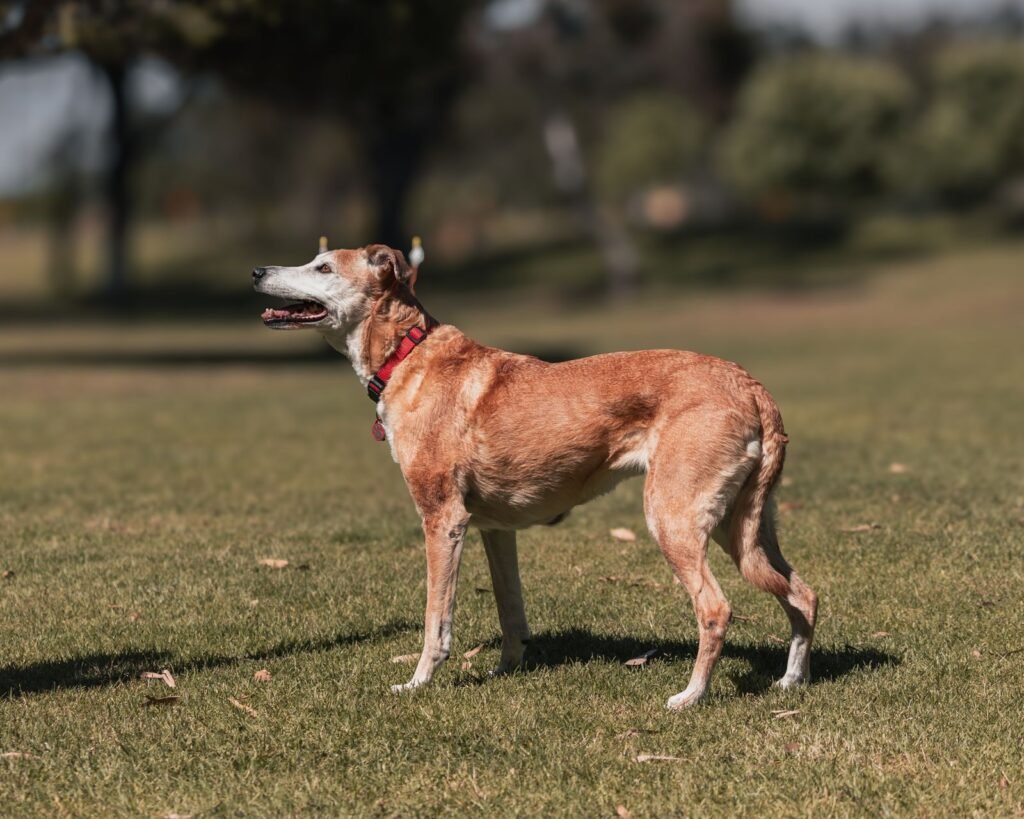
Possible Causes of a Dog Losing Weight
Not enough calories
Sometimes a dog takes in fewer calories than its body needs. PDSA lists not getting enough food for its size, eating less than usual, fast growth, another pet eating the dog's food, extra exercise, pregnancy and feeding puppies. VCA adds an inadequate or poor-quality diet.
VCA says that excessive exercise, prolonged exposure to a cold environment, pregnancy, lactation and fever also increase a dog's energy demand. It also lists poor appetite, swallowing problems, regurgitation, loss of smell and trouble chewing as reasons a dog takes in too little food.
Dental disease or a sore mouth
PDSA says dental disease or mouth pain can make a dog reluctant to eat, so it loses weight. Dogs Trust also says difficulty chewing or picking up food may indicate dental disease.
Gut and digestion problems
According to PDSA, gradual weight loss is a common sign of many gut problems, such as chronic diarrhoea, protein-losing enteropathy, stomach ulcers and inflammatory bowel disease. VCA lists inflammatory bowel disease, gut cancer and severe intestinal parasites among the causes of poor absorption.
Exocrine pancreatic insufficiency can cause dramatic weight loss with diarrhoea. PDSA names German Shepherds as an example of a breed where it is most common.
PDSA lists weight loss among the signs of a gut blockage, along with vomiting, diarrhoea, a painful tummy, constipation, low energy and less interest in food. It calls a gut blockage very serious and says to contact your vet immediately if you think your dog has eaten something it should not have.
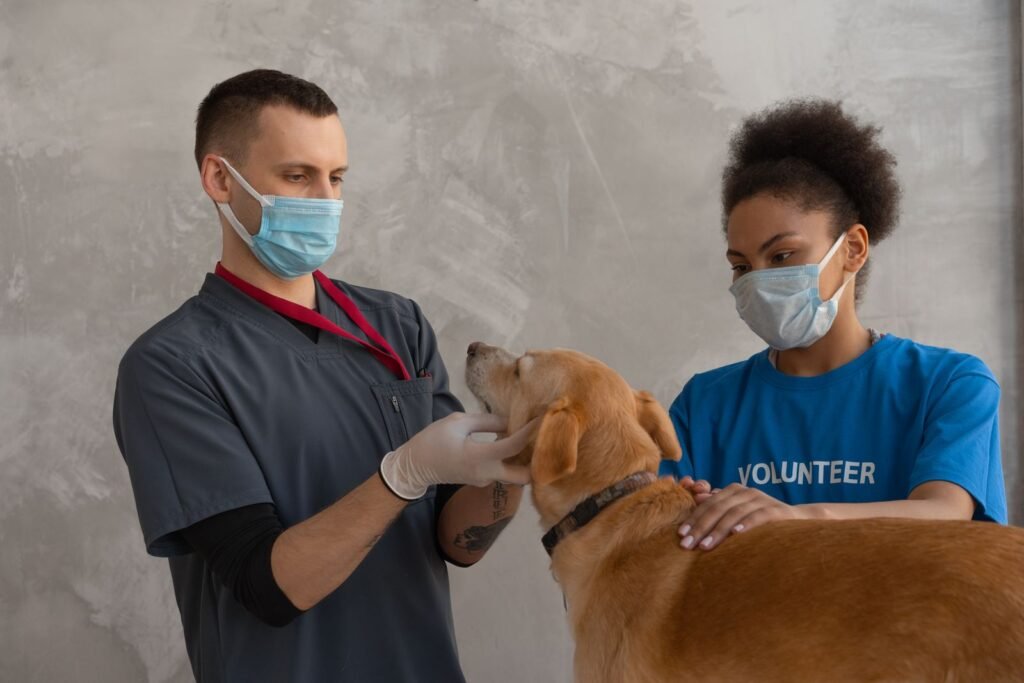
Worms and other intestinal parasites
VCA says intestinal parasites ("worms") are a common cause of weight loss, especially in puppies. A "pot-bellied" puppy may suggest them. A faecal test for parasites is one of the usual first tests a vet may run.
Diabetes
PDSA says diabetes can cause rapid weight loss, appetite changes, increased thirst and frequent peeing.
Kidney and liver disease
Kidney disease can cause weight loss along with increased thirst, smelly breath, diarrhoea and vomiting. Liver disease can cause weight loss with increased thirst, vomiting, diarrhoea and jaundice, which PDSA describes as yellow lips, skin and eyes.
Heart problems and Addison's disease
Heart problems can cause weight loss together with coughing and low energy. Addison's disease (hypoadrenocorticism) can cause weight loss with vomiting, weakness, drinking and peeing more, and collapse.
Cancer
Cancer can cause weight loss or muscle wasting, either gradually or suddenly.
Other causes
Prolonged vomiting, diarrhoea or excessive urination can cause a loss of fluid and nutrients. An underlying illness can also make the body burn calories faster. VCA also lists neuromuscular disease that causes weakness or paralysis among the conditions linked to weight loss.
VCA says most chronic diseases result in weight loss at some point. That is why weight loss is a sign that can point to many different conditions.
Is It Normal for Older Dogs to Lose Weight?
PDSA says most dogs lose a little weight as they age, especially as their muscles shrink. However, it says a noticeable drop could be caused by something more serious, so always have your dog checked by a vet. Vets Now goes further and says weight loss in older dogs is not normal and should always be checked by a vet.
The RSPCA says some changes we may put down to old age, such as being less playful or losing weight, might have a medical cause and need treatment. The Royal Kennel Club says weight loss or gain may indicate early signs of illness, and the RSPCA adds that regular health checks help problems to be found as early as possible.
Signs to Report to Your Vet Alongside Weight Loss
PDSA suggests telling your vet about any of these signs that appear together with weight loss:
- Low energy
- Drinking more or less than usual
- Peeing more than usual
- Changes in appetite
- Vomiting
- Diarrhoea
- Panting or struggling to breathe
- Coughing
Vets Now adds that drinking heavily while refusing food could be a symptom of many things, including diabetes, liver disease or an infection.
It matters because being underweight carries risks. PDSA says underweight dogs are at risk of a shorter life expectancy, skin and coat problems, lack of energy, muscle loss and increased susceptibility to disease.
What to Do at Home If Your Dog Is Losing Weight
PDSA says to contact your vet if you think your dog is losing weight, so use these steps to gather information, not as a reason to wait. PDSA suggests the following:
- If you are unsure whether your dog is losing weight, weigh them every few days for a couple of weeks and keep a record.
- Keep a record of the food your dog eats in the time before the appointment, especially if you have recently changed the type or amount.
- Think about whether anything else has changed, such as their diet or the amount they are eating.
- Take the weight record to the vet appointment, and tell your vet about any other symptoms you have noticed, such as vomiting, diarrhoea, low energy, or changes in appetite and thirst.
Dogs Trust also advises weighing your dog regularly and using a body condition chart.
Emergency: Contact a Vet Immediately If…
- Your dog has difficulty breathing.
- Your dog collapses.
- Your dog has a swollen abdomen.
- Your dog has swallowed a medicine, a toxin or a foreign body.
Dogs Trust lists these as emergencies that need urgent vet care in any dog. Its full list is longer and also includes pale or white gums, seizures and uncontrolled bleeding. Call your vet or the nearest out-of-hours emergency vet straight away.
When to Contact Your Vet
- Contact your vet whenever weight loss is suspected, especially a large loss in a short time.
- Dogs Trust says sudden weight loss means getting in touch with your vet right away.
- PDSA says to get a vet to see a dog very quickly if it has not eaten anything for more than 24 hours. The Royal Kennel Club gives a shorter 12-hour limit if a dog is also being sick or has diarrhoea, and for puppies.
- If you think your dog is underweight, or you notice a change in body shape, PDSA says to get them checked as soon as possible.
- On its page about dogs that will not eat, the Royal Kennel Club also lists a dog that is losing weight, or seems unusually tired, as a reason to contact your vet.
Sources word this differently, so the safest approach is to contact your vet promptly rather than wait. If a dog on a weight-loss diet is losing too much weight, consult your vet.
How Vets Find the Cause
According to VCA, a vet will usually start with a detailed history and a nose-to-tail physical exam. Blood and urine tests, X-rays and possibly an abdominal ultrasound may then be recommended.
VCA says the history questions may cover appetite, diet, activity, chewing or swallowing trouble, drinking and urination, stool changes, parasite prevention, and any medications or supplements. The exam includes listening to the heart and lungs and feeling the abdomen.
VCA says the most common screening tests are a complete blood count, a blood biochemistry profile, a urine test and a test for parasites. Further tests may then be recommended, depending on the earlier results.
Treatment depends on the underlying cause. It may include diet changes, medication or other treatment, and the outlook ranges from good to poor depending on the diagnosis.
How Pet Med Direct Can Help
Pet Med Direct is a UK online pet pharmacy. Your vet may recommend a diet change, medication or other treatment once the cause is known. You can browse our dog food range, including veterinary diets, or our full dog medication range.
Weight loss needs its cause found first, so please check with your vet before starting any new product. If your vet prescribes a medicine, our guide explains how pet prescriptions work.
Some pet medicines require a valid veterinary prescription. Pet Med Direct can only supply prescription medicines after the prescription has been checked. Always follow your vet's advice and the directions on the medicine label.
Frequently Asked Questions
How much weight loss is serious?
VCA treats a loss of more than 10% of normal body weight, not caused by fluid loss or dehydration, as clinically significant. PDSA gives no number. In both cases, the faster the weight comes off, the more concerning it is.
Why is my dog losing weight but eating normally?
A dog may still need more calories than it eats, for example during pregnancy or with extra exercise. Poor absorption in the gut, diabetes, illness that burns calories faster, and intestinal parasites can also cause weight loss. Your vet needs to find which applies.
Why is my older dog losing weight?
Some weight loss is normal in old age as muscles shrink, but a noticeable drop needs a vet check. Vets Now says weight loss in older dogs is not normal and should always be checked by a vet.
Could worms make my dog thin?
They can. VCA says intestinal parasites are a common cause of weight loss, especially in puppies. Only a vet can confirm the cause.
How can I keep track if my dog is losing weight?
If you are unsure, PDSA suggests weighing your dog every few days for a couple of weeks and keeping a record. It also suggests keeping a record of the food your dog eats, especially after any change, and telling your vet about any other symptoms. Contact your vet if you think your dog is losing weight.
Is weight loss an emergency?
Contact your vet whenever you suspect weight loss. Dogs Trust says sudden weight loss needs a call right away, and it lists difficulty breathing, collapse and a swollen abdomen as emergencies.
Related Dog Health Guides
Sources and Further Reading
- PDSA — Weight loss in dogs
- PDSA — Your dog's body shape
- VCA Animal Hospitals — Abnormal Weight Loss in Dogs
- VCA Animal Hospitals — Testing for Weight Loss in Dogs
- Dogs Trust — When to take your dog to the vet
- Vets Now — My dog won't eat, what should I do? Dog not eating causes
- RSPCA — Caring for older dogs
- Royal Kennel Club — Senior dogs
- PDSA — My dog isn't eating properly
- Royal Kennel Club — Why won't my dog eat their food
- PDSA — Gut blockage (foreign body) in dogs
This article was researched from the sources listed above. It is general information for dog owners and is not a substitute for advice from your own vet.

Need pet products or prescription medicines? Visit the Pet Med Direct shop.
Shop Pet Med Direct