✓ Registered Vet Practice
🚚 Fast UK-Wide Delivery, Including Northern Ireland
℞ Prescription & Non-Prescription Products
→ Need to upload a prescription?

Why Is My Dog Not Eating?
Possible reasons a dog stops eating, what you can try at home, and when to call your vet.
Quick Answer
- A reduced appetite often signals a problem, and because many conditions can cause it, a change in eating habits should be checked by a vet.
- Possible reasons include dental pain, other pain, gut problems, organ disease, stress and food-related causes.
- Sources give different time limits, from a couple of missed meals to 24 hours to straight away, so when in doubt, call your vet.
- Never force-feed a dog that is not eating.
- Vomiting together with loss of appetite, lethargy, a swollen abdomen or unproductive retching needs urgent veterinary care.
A dog not eating can be alarming, especially if your dog has always loved mealtimes. PDSA says a reduced appetite often signals a problem, although appetites vary between dogs. Vets Now adds that it is particularly worrying when a dog that has always been a good eater suddenly stops.
Vets make an important distinction. In true anorexia, the dog genuinely does not want to eat. In pseudo-anorexia, the dog wants to eat but cannot chew, pick up or swallow food. VCA calls working out which applies the first, most important step, and Vets Now says true anorexia is strongly associated with serious illness.
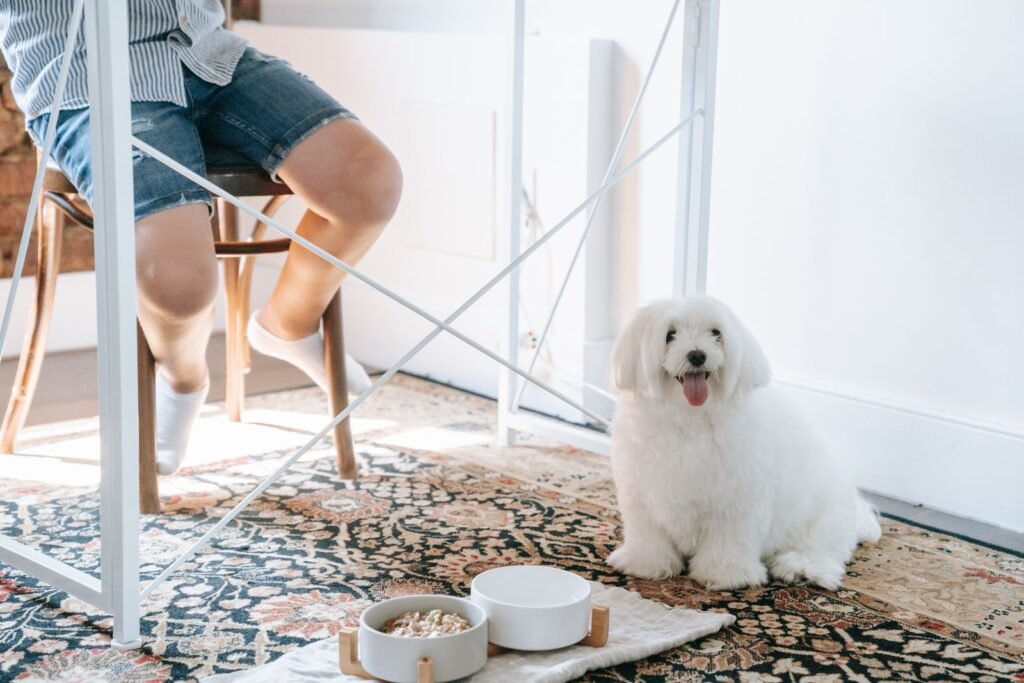
Why Is a Dog Not Eating? Possible Causes
Dental and mouth problems
PDSA says dental disease is a common reason for pets to go off their food. Tartar, loose or broken teeth, sore gums and abscesses can all make eating painful.
VCA also lists a painful mouth or throat, jaw-joint or chewing-muscle pain, mouth tumours, and nerve problems that affect chewing or swallowing.
Pain elsewhere in the body
Any pain can reduce eating. For example, back pain can make it hard to reach a bowl on the floor. Dogs often hide pain well, so the cause may not be obvious, and PDSA says you may only notice vague signs such as being grumpy or quiet.
Gut problems and swallowed objects
Colitis, gastritis, stomach upsets, blockages and worms can all cause a dog to go off food. PDSA says diarrhoea or vomiting often appears before the reduced appetite. Swallowed objects that cause an internal blockage are also a medical cause.
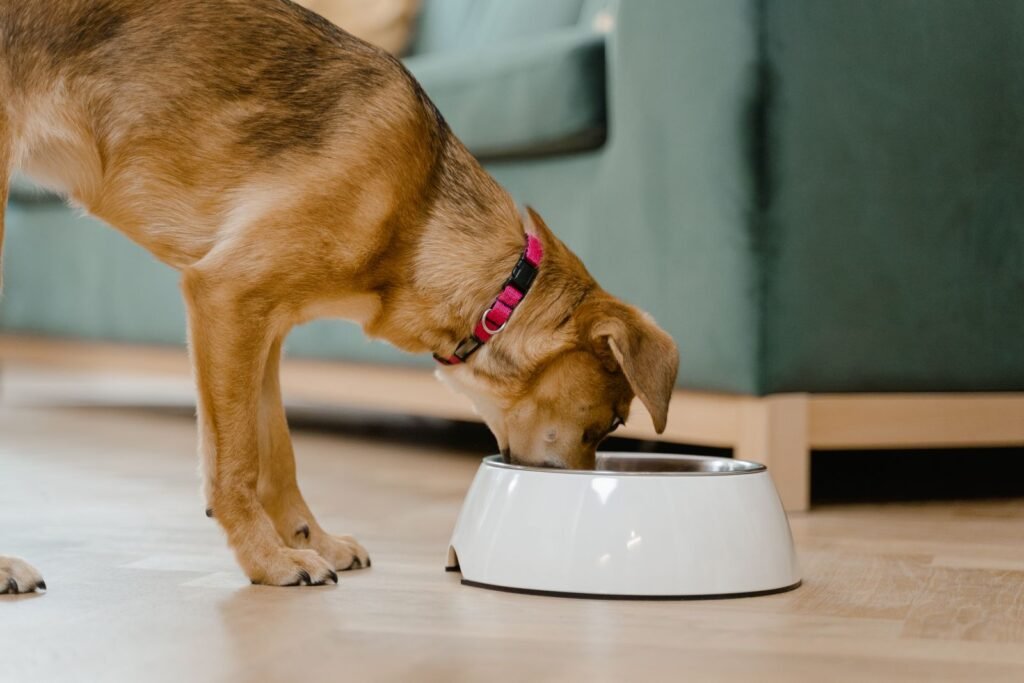
Illness in other parts of the body
Liver or kidney disease can make a dog feel sick and go off food. Lung or heart disease can make eating difficult if a dog is struggling to breathe. Infections that cause a high temperature are likely to put a dog off food, and hormone problems such as an underactive thyroid can affect appetite.
Vets Now names pyometra, cancer, and kidney or liver disease as serious causes. VCA adds poisoning, nausea from any cause, stomach or intestinal ulcers and loss of smell.
Medicines and vet care
Side effects of medicines can reduce appetite, although the Royal Kennel Club describes this as uncommon. PDSA's general advice for pets says surgery and some vet treatments can put a pet off food for a few days, anaesthetic drugs can reduce appetite for a day or two, and vaccinations can occasionally do the same. Appetite should return quickly, so if it does not, speak to your vet.
Stress and changes at home
Stress and changes in housing or family can reduce appetite. The Royal Kennel Club lists building work, moving home, fireworks, storms, new pets, routine changes and separation anxiety.
Food-related causes
Stale or spoiled food, a new formula the dog has not adjusted to, and too many treats or titbits can all put a dog off its meals. PDSA also lists fussy eating, frequent diet changes and human food.
A fussy dog usually shows no other signs of illness and may still eat favourite treats, but Vets Now says pickiness should be confirmed by a vet first.
Age and life stage
Older dogs may go off food because of illness, tooth pain, poor eyesight, joint pain, canine dementia or a reduced sense of smell. Puppies in a new home may be nervous, and recently rehomed dogs may be too anxious to eat at first. Pregnant dogs may also go off food.
Signs That Can Come With a Poor Appetite
PDSA lists these signs that can come with a poor appetite:
- Weight loss
- Low energy
- A painful mouth, such as eating on one side
- Yellow skin or eyes (jaundice)
- Extra dribbling
- Vomiting or diarrhoea
Weight loss in an older dog is not normal, according to Vets Now. It also says that drinking heavily while not eating can point to diabetes, liver disease or infection.
In a multi-dog home, watch each dog individually, because dogs that eat together make a reduced appetite harder to notice.
What You Can Try at Home
The Royal Kennel Club says never to force a dog to eat. These steps may help instead:
- Keep fresh water available and encourage drinking, for example with a clean bowl or ice cubes.
- Warm food gently to around body temperature and stir it well. Strong-smelling food can be more appealing.
- Offer small amounts, try hand-feeding or a different bowl, and feed somewhere quiet and calm.
- Soak kibble in a little lukewarm water, or mix in a little cooled, boneless, skinless boiled chicken or wet food.
- Keep feeding times steady, make sure other people in the home are not also feeding your dog extra food or treats, and keep treats to no more than 10% of daily calories.
- Store food airtight in a cool, dry place, refrigerate opened cans or pouches, and check dates.
If a dog seems fussy rather than ill, PDSA's general advice for pets is to put food down at a set time, take the bowl away after 15 minutes and offer a fresh bowl a couple of hours later. These tips do not replace a vet check, so use the time limits below to decide when to call.
What Not to Do
Do not give tasty treats instead of a meal, feed table scraps or give in to begging. PDSA and Vets Now both advise avoiding these habits with a fussy eater.
Do not serve spoiled or out-of-date food. Do not switch foods suddenly either. Change over gradually, which is over 7 to 10 days according to the Royal Kennel Club, or about a week according to PDSA. The Royal Kennel Club also says not to add stock cubes to water, or tuna in brine or oil.
Emergency: Contact a Vet Immediately If…
- Your dog is vomiting and also has loss of appetite or thirst, lethargy, restlessness, blood in the vomit, unproductive retching, a swollen abdomen or diarrhoea. Dogs Trust says this needs urgent veterinary care.
- Your dog is retching without bringing anything up and has a swollen abdomen. Cornell University says this may mean bloat (gastric dilatation volvulus), which can be a life-threatening emergency.
- Your dog has repeated vomiting or diarrhoea within 24 hours, especially with blood, lethargy or refusal to eat, according to Cornell University.
- Your dog collapses, has difficulty breathing, or has pale or blue gums.
- You think your dog has swallowed a toxin, a medicine or a foreign body.
Call your vet or the nearest out-of-hours emergency vet straight away.
When to Contact Your Vet
- Dogs Trust says a couple of missed meals in an otherwise happy dog is probably nothing, especially in hot weather. However, speak to a vet if your dog misses more than two meals, or if the change is persistent or out of character.
- PDSA says a dog that has not eaten for more than 24 hours should be seen very quickly by a vet.
- The Royal Kennel Club says to call straight away if your dog is not eating and not drinking. It also says to contact a vet after 24 hours without food, or after 12 hours if your dog is also vomiting or has diarrhoea.
- The Royal Kennel Club also lists a puppy that has not eaten in 12 hours or seems unwell, and an older dog that has not eaten for a day.
- Vets Now advises contacting a vet straight away if a dog or puppy refuses food, even if they seem well. Several days without treatment can cause malnutrition and dehydration.
- The Royal Kennel Club also lists losing weight, seeming unusually tired, coughing, constipation or straining to poo, and dental signs such as mouth pain or heavy drooling.
Sources differ on timing, and Vets Now describes anorexia in dogs as a life-threatening condition. When in doubt, call.
How Vets Find the Cause
Vets start with your dog's history and symptoms. They work out whether the dog has no interest in food or is hungry but cannot eat. Then they do a full exam, including the teeth.
Tests may include blood, urine and faecal samples, X-rays and ultrasound. Treatment depends on the underlying cause. For example, dental disease may need extractions under general anaesthetic. VCA says vets may also treat dehydration with fluids and use short-term appetite support or feeding tubes as a bridge until the dog can eat.
How Pet Med Direct Can Help
Pet Med Direct is a UK online pet pharmacy. Once your vet has found the cause, they may recommend a particular diet or treatment. You can browse our dog food range, including veterinary diets.
Please speak to your vet before changing your dog's food. If your vet prescribes a medicine, our guide explains how pet prescriptions work.
Some pet medicines require a valid veterinary prescription. Pet Med Direct can only supply prescription medicines after the prescription has been checked. Always follow your vet's advice and the directions on the medicine label.
Frequently Asked Questions
How long can a dog go without eating?
It depends on the dog and the situation. Dogs Trust says a couple of missed meals in a happy dog is probably nothing, but speak to a vet after more than two. PDSA says 24 hours, and the Royal Kennel Club says 24 hours, or 12 hours for puppies and dogs that are also vomiting or have diarrhoea. Vets Now says straight away. When in doubt, call.
Why is my dog not eating but drinking water?
Dental problems, pain, gut problems and organ disease can all reduce appetite. Vets Now says drinking heavily while not eating can point to diabetes, liver disease or infection. If it continues, have your dog checked.
Why is my dog not eating but acting normal?
A fussy dog may seem otherwise well and still eat favourite treats. However, Vets Now says pickiness should be confirmed by a vet first, and advises contacting a vet straight away if a dog refuses food, even if it seems well.
When is not eating an emergency?
Dogs Trust says vomiting together with loss of appetite, lethargy, a swollen abdomen or unproductive retching needs urgent veterinary care. Collapse, difficulty breathing, pale or blue gums and swallowing a toxin or foreign body are also emergencies.
Why is my older dog not eating?
Older dogs may go off food because of illness, tooth pain, poor eyesight, joint pain, canine dementia or a reduced sense of smell. The Royal Kennel Club says an older dog that has not eaten for a day needs a vet call.
Related Dog Health Guides
Sources and Further Reading
- PDSA — My dog isn't eating properly
- Vets Now — My dog won't eat, what should I do? Dog not eating causes
- Royal Kennel Club — Why won't my dog eat their food
- VCA Animal Hospitals — Anorexia in Dogs
- PDSA — Why is my pet off their food?
- Dogs Trust — When to take your dog to the vet
- Cornell University Riney Canine Health Center — When to go to the ER
This article was researched from the sources listed above. It is general information for dog owners and is not a substitute for advice from your own vet.

Need pet products or prescription medicines? Visit the Pet Med Direct shop.
Shop Pet Med Direct