✓ Registered Vet Practice
🚚 Fast UK-Wide Delivery, Including Northern Ireland
℞ Prescription & Non-Prescription Products
→ Need to upload a prescription?
What is Obesity in Dogs?
Want to find more information.
This page is for information and reference purposes only.
It is not a substitute for professional veterinary advice, diagnosis, or treatment.
Always speak to a qualified veterinary surgeon about your pet’s individual needs before starting, changing, or stopping any treatment.
What is Obesity in Dogs?
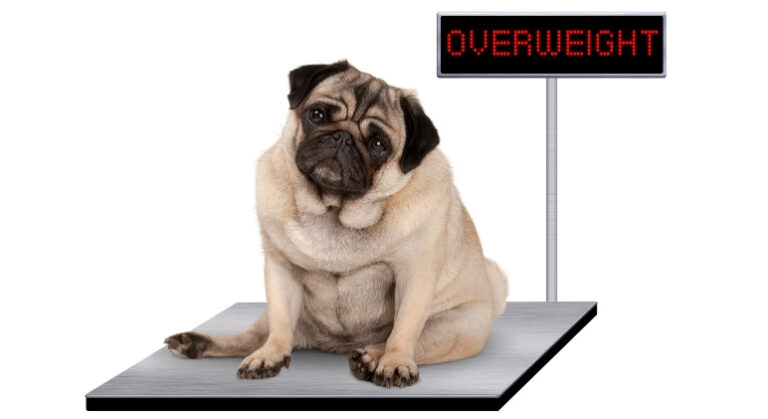
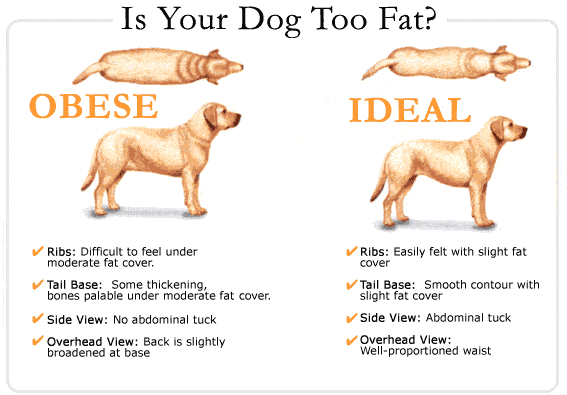
Obesity is the most common nutritional disorder in dogs. It occurs when a dog has too much body fat, which negatively affects their health and quality of life. Vets assess it using a Body Condition Score (BCS) on a scale of 1–9. An ideal score is 4–5/9. A score of 6–7 is overweight, and 8–9 is obese.
Sadly, around 50–60% of dogs in many countries are now overweight or obese.
Why Do Dogs Become Obese?
It’s basically a case of energy imbalance:
More calories are eaten than the dog burns through daily activity and metabolism.
Common contributing factors:
Overfeeding or too many treats/table scraps
Lack of exercise (modern indoor lifestyles)
Neutering (reduces metabolic rate and may increase appetite)
Genetics – some breeds are more prone (e.g. Labrador Retrievers, Beagles, Bulldogs, Cocker Spaniels)
Age – metabolism naturally slows as dogs get older
Medical conditions – such as Hypothyroidism or Cushing’s disease
Owner behaviour – using food for affection or as a reward
Once a dog becomes overweight, fat tissue releases hormones that can make weight loss more difficult (it becomes a vicious cycle).
Main Problems Obesity Causes
Shorter lifespan (up to 2–3 years less on average)
Joint pain and arthritis (extra weight stresses the hips, knees, and spine)
Breathing difficulties (especially in flat-faced breeds)
Increased risk of diabetes, heart disease, and high blood pressure
Higher chance of certain cancers
Reduced stamina and exercise tolerance
Greater risk during anaesthesia and surgery
Skin problems and poor coat quality
How We Treat It
The cornerstone of treatment is safe, gradual weight loss – not crash diets. Aim for 1–2% body weight loss per week.
Main Treatment Plan (Vet-Guided):
Diet:
Switch to a calorie-controlled diet (often a prescription weight-loss food).
Measure food precisely using scales (no guessing).
Cut out or strictly limit treats – use vegetables (carrots, green beans) as low-calorie alternatives.
Exercise:
Gradually increase daily activity (walks, swimming, play).
Short, frequent walks are often better than one long exhausting walk.
Monitoring:
Regular weigh-ins (every 2–4 weeks).
Your vet will calculate the exact daily calorie intake and adjust as needed.
Important: Always rule out underlying medical conditions (e.g., thyroid disease) before starting a weight-loss plan.
Key Take-Home Messages
Obesity is preventable and highly manageable with the right plan.
Slow and steady weight loss is safest and most effective.
The whole family must be consistent – one person giving extra treats can ruin the plan.
Prevention is much easier than treatment: feed the right amount, choose healthy treats, and keep your dog active from a young age.
Losing weight can dramatically improve your dog’s energy, comfort, and lifespan.
If your dog is carrying extra weight, speak to your vet about creating a personalised weight loss programme. Many dogs become noticeably happier and more playful once they reach a healthy weight.
This information is for reference only and should not replace advice from a qualified veterinary surgeon. Always speak to your vet before starting, changing, or stopping any treatment for your pet.
Shop for weight loss food below
What people say about our shop
Clients Testimonials

Incredible service!
Ordered my dog’s medication in the afternoon and it arrived the very next day. Couldn’t believe how fast it was delivered. I’ll definitely be using Pet Med Direct again!
Sarah J. - Manchester
Super quick delivery and great prices.
Placed my order for flea treatment on Monday morning, and it was at my door by Tuesday. Everything was well packaged and exactly as described. Brilliant service.
Mark R. - London
Fast and reliable.
I needed my cat’s prescription tablets urgently, and Pet Med Direct didn’t disappoint. The order was processed straight away and arrived quicker than expected. Highly recommend.
Laura H. - Glasgow
Excellent communication and next day delivery
I was kept updated from order to dispatch, and my parcel arrived the following morning. It’s great to find a company that genuinely cares about speed and service.
Tom D. - Belfast
Newsletter Updates
Enter your email address below to subscribe to our newsletter.
Your privacy is our policy.