✓ Registered Vet Practice
🚚 Fast UK-Wide Delivery, Including Northern Ireland
℞ Prescription & Non-Prescription Products
→ Need to upload a prescription?

Why Is My Dog Panting So Much?
Why dog panting happens, when it is normal, and the warning signs that mean you should call a vet.
Quick Answer
- Dog panting is a normal way for dogs to cool down, and it is most often seen after exercise, on a warm day or when a dog is excited.
- A relaxed, comfortable dog should not normally be panting, so panting with no obvious cause, or a lot of the time, is worth a chat with your vet.
- Stress, pain, heart disease, Cushing's disease and breathing problems in flat-faced dogs can all make a dog pant more than usual.
- Panting that starts suddenly for no reason, will not stop, or comes with shaking, restlessness or a change in tongue or gum colour is potentially an emergency, so contact a vet straight away.
Dog panting is very common, and in most cases it is simply how a dog cools down. Dogs do not sweat the way people do, so panting does much of the work for them.
However, panting can sometimes mean something is wrong. This guide explains the usual reasons, the warning signs that matter and when to contact your vet. It is general information, so it cannot tell you what is wrong with your own dog.
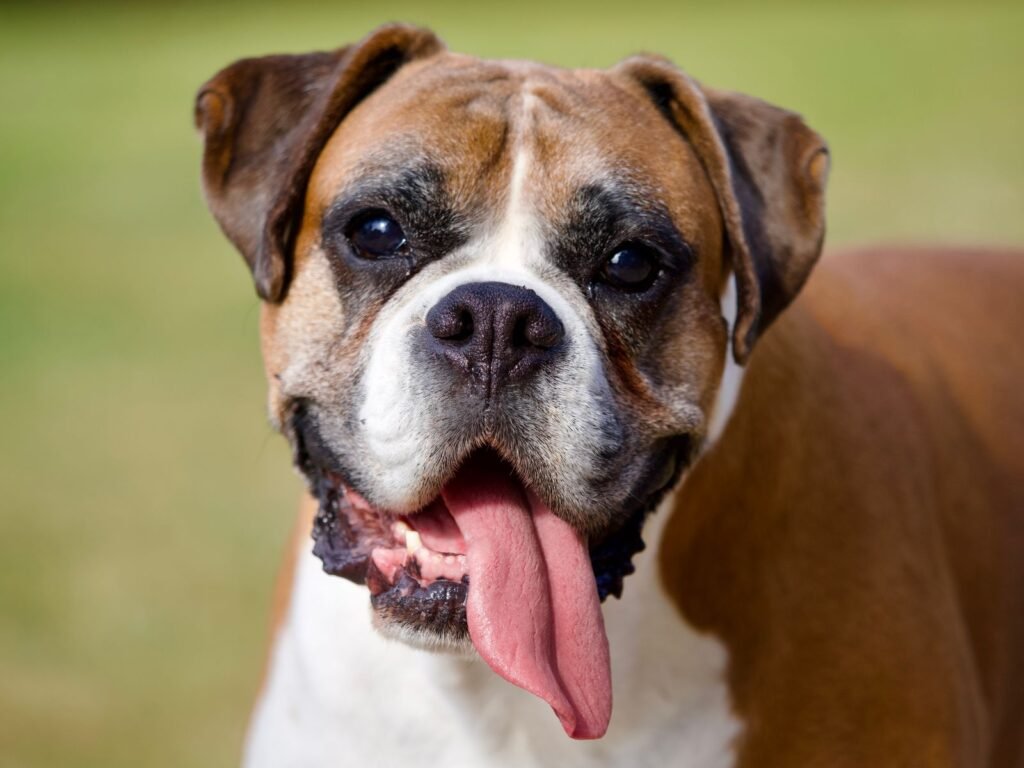
Common Reasons for Dog Panting
Cooling down, exercise and excitement
Panting is a normal part of how dogs cool down. Dogs have sweat glands only in their paw pads and around the nose, so they rely mainly on panting. Panting lets water evaporate from the tongue and mouth, which cools the body.
As a result, you are most likely to see panting after exercise or on a warm day. Vets Now says that in the vast majority of cases a panting dog is excited, hot or catching their breath.
Panting from cooling down should stop once your dog is resting. If it does not, it could be a sign of heatstroke. Panting more than usual in the car may be excitement, anxiety or overheating, and cars can easily bring on heatstroke.
Stress and anxiety
Dogs can also pant when they feel stressed or anxious. Look for other clues, such as ears pinned back, a tucked tail, hiding, yawning and the whites of the eyes showing.
If the signs are regular, take your dog to the vet to find the cause. You can also try to work out the trigger and, where possible, move your dog away from it.
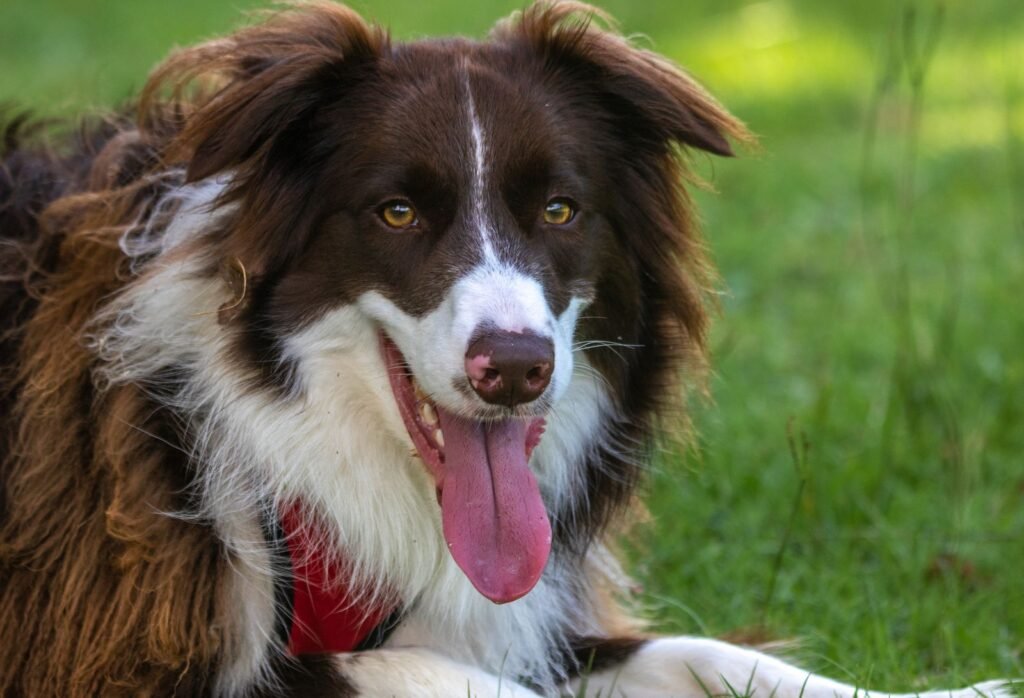
Pain or injury
Pain and injury can make a dog pant, partly because a dog feels stressed when something hurts. A dog that pants heavily without exercising may be in pain.
Vets Now also says dogs in pain often pant well before more obvious signs such as limping or whining appear.
Heatstroke
If a dog keeps getting hotter despite panting, it can lead to heatstroke, which PDSA describes as a life-threatening emergency. There is a full section on it below.
Flat-faced dogs and breathing problems
Flat-faced dogs such as Pugs, Bulldogs and French Bulldogs, and overweight dogs, may be more prone to panting. PDSA says breathing problems in flat-faced dogs (known as BOAS) can cause excessive panting even when resting. Other signs include noisy breathing, snoring, struggling in the heat and collapse.
In flat-faced dogs, snuffles and snoring are not normal, because they are a sign the dog is struggling to breathe. A sudden increase in breathing difficulty, or heatstroke, in a dog with BOAS can lead to collapse and is an emergency. Dogs Trust advises speaking to your vet urgently if you are concerned about a flat-faced dog's panting or breathing.
Heart disease
Heart failure can cause panting because the breathing rate rises to make up for poor oxygen delivery. Other signs include weakness, coughing and exercise intolerance. VCA also lists tiring easily, loss of appetite, a swollen belly, and pale or bluish gums.
Dogs Trust says heavy or noisy panting can also point to heart or respiratory disease, so it is worth getting your dog checked if you are worried. VCA says a vet may recommend checking your dog's resting breathing rate several times over a week, and that a significant increase should be reported to your vet.
Cushing's disease
Cushing's disease can make a dog pant more than usual. PDSA lists this alongside drinking and peeing more, a pot-belly, bald patches and excessive hunger. It usually affects middle-aged or older dogs. Read more in our guide to Cushing's disease.
There is no simple single test, so diagnosis can take time. Cushing's cannot be cured but can usually be managed, and most dogs on treatment need daily, lifelong medication.
Other illnesses, poisoning and weight
PDSA says illness is a less common cause of panting than the other causes above. It often comes with other signs, such as coughing, drinking and peeing more, or low energy.
Vets Now also lists an adverse reaction to medication, high blood pressure, fever, anaemia and breathing disorders such as pneumonia. It says abnormal panting can also signal poisoning or an allergic reaction. Vets Now describes poisonings as one of the most common emergencies its vets see, often linked to chocolate or raisins, dangerous plants, antifreeze, rat poison or slug and snail killer.
In an overweight dog, excessive panting can mean they are struggling to get oxygenated blood around the body.
What to Check When You Notice Your Dog Panting
Start by thinking about the situation. Is it a warm day, has your dog exercised, or are they anxious? Stop exercise, offer fresh clean water and give your dog time and space to calm down and cool off.
- Is the panting settling once your dog rests?
- Is your dog panting without having exercised, or while relaxed?
- Are there other signs, such as coughing, drinking and peeing more, or low energy?
- What colour are the tongue and gums?
- Is night-time panting heavier or longer than usual, or does it come with not eating, vomiting, bloating or limping?
Emergency: Contact a Vet Immediately If…
- Your dog is breathing fast and shallow, or seems to be struggling for breath.
- Your dog is panting with the tongue curling upwards, stretching out the neck, or not wanting to move.
- The panting starts suddenly for no reason, or will not stop.
- Panting comes with shaking or restlessness.
- The tongue or gums turn bluish, white or purple, or the gums look bright red.
- There is foaming at the mouth, confusion, collapse or a seizure.
Call your vet or the nearest out-of-hours emergency vet straight away.
When to Contact Your Vet
- Your dog is panting with no obvious cause, or a lot of the time.
- The panting is heavier or lasts longer than usual.
- Your dog has other signs, such as coughing, drinking and peeing more, or low energy.
- A flat-faced dog has noisy breathing, snuffles or snoring, or you are worried about their breathing.
If you are not sure whether your dog's panting is normal, a call to your vet is a sensible first step. Dogs Trust says to contact your vet urgently if you think pain or heatstroke could be involved.
If You Think Your Dog's Panting Is Heatstroke
Heatstroke is an emergency, so start cooling your dog at once and contact a vet immediately. PDSA says heatstroke can be fatal very quickly, and Vets Now says heat-related illness can kill pets in as little as 15 minutes. It can follow exercise, or happen if a dog is trapped somewhere hot, such as a car. PDSA adds that it can even happen when a dog is just sitting somewhere warm.
PDSA groups the signs by severity. Mild signs include panting, fast or difficult breathing and lethargy. Moderate signs include drooling, foaming at the mouth, vomiting, diarrhoea, bright red or very pale gums, shaking, weakness and collapse. Severe signs include confusion, seizures and unconsciousness.
Advice on the exact cooling method varies between organisations, so follow your vet's guidance when you phone. The common ground is below.
- Stop exercise and move your dog into shade or indoors.
- Cool your dog straight away by pouring plenty of cold water over the body, and add a breeze or fan. Keep water away from the face, so your dog does not breathe it in.
- Keep cooling until your dog's breathing returns to normal. Vets Now advises stopping once the signs, especially the effort of breathing, have resolved.
- Offer small amounts of cold water to drink, but do not force it.
- Do not cuddle your dog or cover them with a wet towel, because it can make them hotter.
- Phone your vet at once. The RSPCA advises cooling first and transporting second, and calling ahead.
- If you travel to the vet, use a cool, well-ventilated car, and take someone with you to keep cooling your dog on the way if you can.
Every dog with heatstroke should still be seen by a vet, even after first aid. PDSA says mild cases that are cooled and treated quickly usually recover fully, while severe or delayed cases have a much poorer outlook.
Which Dogs Overheat Most Easily, and How to Prevent It
Higher-risk dogs include flat-faced, overweight, giant-breed or large, thick- or long-coated, very old and very young dogs, and dogs with heart or breathing problems. Heatstroke can happen at any time of year, though it is most common from May to August.
- Walk in the cool of the early morning or evening.
- Make sure your dog always has shade and water.
- Use a harness rather than a collar-only lead, and keep your dog at a healthy weight.
- Test the pavement with your hand. If you cannot comfortably hold it there for seven seconds, it is too hot for your dog to walk on.
- Never leave a dog in a car on a warm day, even briefly. Vets Now says a car can become dangerously hot in just 15 minutes, and the Kennel Club says dogs can die in as little as 15 minutes.
If you see a dog in a hot car showing signs of heatstroke, the RSPCA says to dial 999.
How Pet Med Direct Can Help
Dog panting has many possible causes, so your vet needs to find the reason before choosing any treatment. Pet Med Direct cannot diagnose your dog.
If your vet does prescribe medicine for your dog, you can read how pet prescriptions work or browse our dog medication range.
Some pet medicines require a valid veterinary prescription. Pet Med Direct can only supply prescription medicines after the prescription has been checked. Always follow your vet's advice and the directions on the medicine label.
Frequently Asked Questions
Is it normal for my dog to pant?
Yes, panting is a normal part of cooling down. It is most often seen after exercise, on a warm day or when a dog is excited. However, a happy and relaxed dog should not normally be panting.
Why is my dog panting when it isn't hot?
Stress or anxiety and pain can both cause panting. Illness is a less common cause, but PDSA names BOAS, heart disease, Cushing's disease and a high temperature. If there is no obvious reason, talk to your vet.
Why is my dog panting at night or when resting?
Dogs Trust says this can be due to heat, distress or pain. If it is heavier or longer than usual, or comes with other signs such as not eating, drinking more or vomiting, ask your vet.
When should I worry about my dog's panting?
Worry if it starts suddenly for no reason, will not stop, or comes with shaking or restlessness. Also worry if the tongue or gums turn bluish, white or purple. PDSA adds fast shallow breathing, a tongue curling upwards and a stretched-out neck.
What are the signs of heatstroke in dogs?
Signs include very heavy panting, drooling, vomiting or diarrhoea, bright red gums, shaking, weakness and collapse. In severe cases there can be confusion and seizures. Heatstroke is an emergency, so contact a vet immediately.
Which dogs overheat more easily?
Flat-faced dogs, overweight dogs, giant or large breeds, thick- or long-coated dogs, and very old or very young dogs are at higher risk. Blue Cross says temperatures over 20°C can raise the risk, especially with strenuous exercise. However, PDSA says flat-faced dogs are at very high risk even on cool days.
Related Dog Health Guides
Sources and Further Reading
- PDSA — Vet Q&A: Is my dog is panting too much?
- PDSA — Heatstroke in dogs
- Dogs Trust — Why your dog might be panting
- Vets Now — My dog won't stop panting, what should I do?
- Vets Now — What are the signs of heatstroke in dogs and how can you prevent it?
- Vets Now — How to: first aid for heat stroke in pets
- RSPCA — Heatstroke in dogs
- The Kennel Club — Heatstroke in dogs
- Blue Cross — Dangers of heatwaves for dogs
- PDSA — BOAS - breathing problems in flat-faced dogs
- PDSA — Cushing's Disease in dogs
- Blue Cross — Cushing's disease in dogs: FAQ
- VCA Animal Hospitals — Congestive Heart Failure in Dogs
This article was researched from the sources listed above. It is general information for dog owners and is not a substitute for advice from your own vet.

Need pet products or prescription medicines? Visit the Pet Med Direct shop.
Shop Pet Med Direct