✓ Registered Vet Practice
🚚 Fast UK-Wide Delivery, Including Northern Ireland
℞ Prescription & Non-Prescription Products
→ Need to upload a prescription?

How Do I Know If My Cat Has Kidney Disease?
The signs that your cat has kidney disease are often subtle, so know what to look for and when to ask your vet.
Quick Answer
- The signs of chronic kidney disease are often subtle and mild at first, and most cats show none until the kidneys are already severely damaged.
- Common signs include weight loss, poor appetite, tiredness, more thirst and passing more urine, and also a poor coat, vomiting and bad breath.
- These signs can be caused by other illnesses, so only a vet can find the cause, using blood and urine tests and a blood-pressure check.
- Chronic kidney disease cannot be cured or reversed, but with the right support it can be managed and its progression slowed.
- Sudden kidney damage from a poison such as lilies or antifreeze is an emergency, so phone your vet at once if your cat may have been exposed.
If you are wondering whether your cat has kidney disease, early on you may not be able to tell. Chronic kidney disease (CKD) is when the kidneys slowly stop working over months to years.
It is one of the most common conditions affecting older cats. This guide explains the signs, who is at risk, how vets diagnose it and what treatment involves.
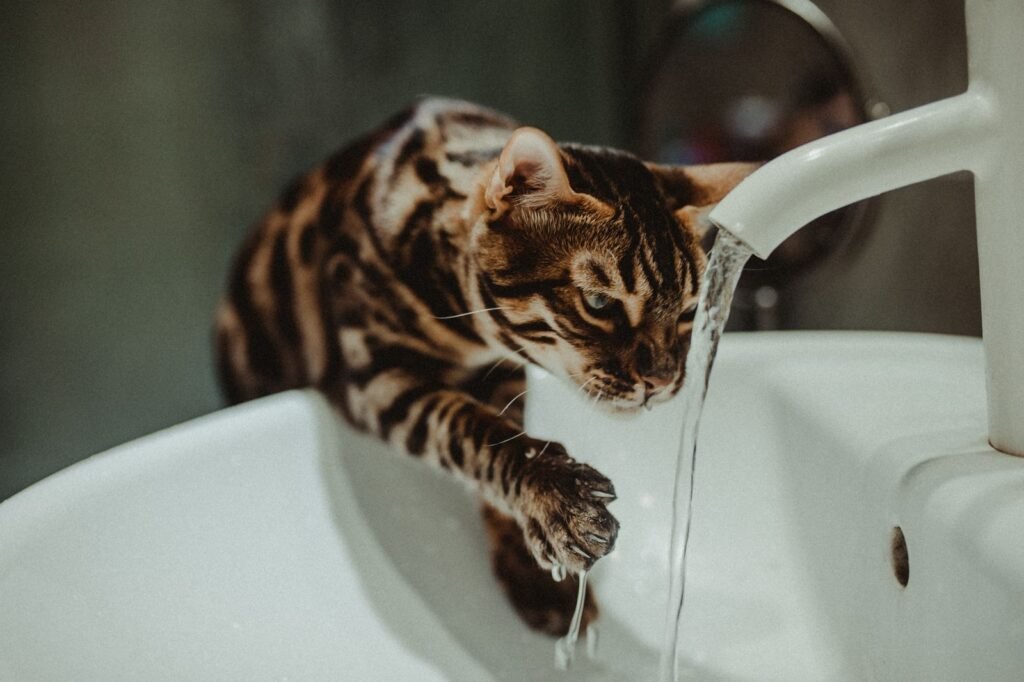
What the kidneys do, and why signs show late
The kidneys filter waste products out of the blood and put them into urine. They also help to balance water, salt and acid in the body, keep blood pressure normal, make hormones and maintain the red blood cell count. When they stop working properly, waste builds up and makes your cat poorly.
The kidneys can cope for a long time. International Cat Care says around two-thirds to three-quarters of the working kidney tissue must be lost before signs of CKD are seen. In many cases, damage has been happening for some time before symptoms start.
Cats are also very good at hiding pain and discomfort, so it can be hard to spot the start of any illness. Cats Protection asks owners to be observant and to tell the vet about any changes, because changes in behaviour are easy to dismiss as part of getting old but could be early signs of a health problem.
Signs that your cat has kidney disease
The most common signs are weight loss, poor appetite, tiredness, increased thirst and increased urination. Cats with CKD struggle to concentrate their urine, so they drink more to make up for it, and that makes them pee more. Other signs include:
- Vomiting
- Bad-smelling breath, or mouth ulcers
- A poor, scruffy or matted coat, because the cat is not grooming
- Peeing in the house
- Dehydration or pale gums
- High blood pressure, which can cause sudden blindness
Many of these signs could be caused by other illnesses. For example, diabetes and an overactive thyroid also increase thirst, so drinking more does not mean kidney disease on its own.
See Why Is My Cat Drinking More Water Than Usual? and Why Is My Cat Losing Weight? for those symptoms in detail.
Which cats are most at risk
CKD can occur at any age, but it is more common in mid to older-age cats, over seven years old. PDSA advises regular checks once a cat enters its senior years, from around eight.
Some cats are at higher risk because of inherited problems. Cats Protection mentions certain pedigree cats, such as Persians and Abyssinians. Polycystic kidney disease is an inherited disease seen in Persian and related cats, and in some other breeds such as British Shorthairs.
Kidney disease and an overactive thyroid often occur together in older cats, and cats with kidney disease often have some degree of high blood pressure too. Our guides cover the signs of an overactive thyroid and the signs of high blood pressure.
What can cause kidney disease in cats
Usually, no cause is found
In most cats, the exact cause of CKD is unknown. The original cause is often no longer present by the time of diagnosis. Blue Cross says the damage is usually part of the normal ageing process.
Recognised causes
These include inherited polycystic kidneys, poisons, bacterial or viral infections, urinary stones and, rarely, kidney tumours. If your vet finds an underlying cause that can be treated, such as a bacterial kidney infection, this may stop the disease progressing.
Sudden (acute) kidney damage
Acute kidney failure is different. It develops within days, usually from one factor, such as poisoning with antifreeze, lilies or some human medicines, or trauma such as a road accident. Cats with it tend to develop serious symptoms very quickly, and it can rapidly become fatal.
See Are Lilies Poisonous to Cats? for the lily risk.
Emergency: Contact a Vet Immediately If…
- Your cat may have been exposed to lilies, antifreeze or a human medicine such as paracetamol. These are named causes of sudden kidney failure, which can rapidly become fatal. Do not wait for signs to appear.
- Your cat cries constantly or collapses, which can happen with sudden kidney failure because of pain from swollen kidneys.
Phone your vet, or the nearest emergency vet at night or at weekends, straight away.
When to Contact Your Vet
- Your cat shows weight loss, drinking and peeing more, poor appetite, bad breath, mouth ulcers or a scruffy coat, especially if it is over seven or eight. Book an appointment promptly.
- A cat with known kidney disease has signs that are getting worse or changing, especially if it is eating less.
- Your cat has sudden blindness or seems disorientated, which can be caused by high blood pressure. Seek advice as soon as possible.
Changes are easy to dismiss as part of getting old, but they can be early signs of a health problem. The earlier kidney disease is found, the better. Note any changes in eating, drinking and peeing to tell your vet.
How vets find out if a cat has kidney disease
CKD is diagnosed through blood and urine tests. The vet looks for raised urea and creatinine in the blood, along with dilute (less concentrated) urine. Your vet should also check blood pressure, because it can become dangerously high in cats with CKD.
Depending on the cat, your vet may also suggest X-rays, an ultrasound scan or biopsies, or tests for other problems such as an overactive thyroid. There are four stages of CKD, from one (least severe) to four (most severe). Staging helps your vet plan treatment.
Many vets offer urine and blood tests for older cats at routine check-ups or vaccinations, to find kidney disease before signs develop. You may also be asked to collect a urine sample at home, using non-absorbable litter, a pipette or syringe and a labelled pot.
Treatment and home care
If your cat has kidney disease, the damage cannot be reversed, but treatment aims to improve signs, minimise complications and support kidney function. A dehydrated cat may need to be admitted for a drip first.
PDSA calls a special kidney diet the most important change you can make, and wet food is ideal because it adds water. Never change your cat's diet suddenly or start one on your own. Your vet will advise, and changes are made gradually. If your cat refuses the new food, it must still eat something, so keep offering the old diet and call your vet.
Your vet may also recommend fluids, medicines for appetite or sickness, treatment for high blood pressure, or treatment for urine infections. Do not treat your cat with human medication.
- Provide 24-hour access to fresh water, and encourage drinking.
- Give any prescribed medication and attend all vet appointments.
- Look out for changes, and contact your vet if you are concerned.
Outlook and prevention
Some cats with CKD enjoy a good quality of life for months or even years with the right treatment and monitoring. Blue Cross says others can deteriorate within weeks, so the outlook depends on severity and cause. The disease will progress over time.
Eventually, when treatment no longer controls the signs and quality of life is affected, it may be kinder to consider euthanasia. Your vet will support you with that decision.
CKD may not be preventable, but you can look after your cat's kidneys. Keep fresh water available, feed moisture-rich food, keep your cat at a healthy weight, keep the litter tray clean and in a quiet spot, and arrange vet check-ups once or twice a year. Limit exposure to toxins, especially lilies. For more, see How Can I Help My Senior Cat Stay Healthy?
How Pet Med Direct Can Help
If your vet recommends a particular diet, you can browse our cat food range, including veterinary diets. Please follow your vet's advice before changing what your cat eats.
Pet Med Direct also lists a prescription-only kidney medicine category. These medicines are supplied only against a valid prescription from your cat's own vet, and the listing is not a suggestion that your cat needs them. Our page on how pet prescriptions work explains the process.
Some pet medicines require a valid veterinary prescription. Pet Med Direct can only supply prescription medicines after the prescription has been checked. Always follow your vet's advice and the directions on the medicine label.
Frequently Asked Questions
Can kidney disease in cats be cured?
No. It cannot be cured or reversed, but it can be managed and its progression slowed. With the right support, many cats keep a good quality of life.
What are the first signs of kidney disease in cats?
Often weight loss, drinking and peeing more, a poorer coat and a changing appetite. Early on, there may be no signs at all.
Does drinking more mean my cat has kidney disease?
Not necessarily. Diabetes and an overactive thyroid can also make a cat drink more. Your vet can tell them apart with tests, so book a check.
How will my vet find out if my cat has kidney disease?
Usually with blood and urine tests, plus a blood-pressure check. Further tests such as X-rays or an ultrasound scan may follow, depending on the cat.
Is kidney disease painful?
Cats hide pain well, and the signs cause overall discomfort. Sudden kidney failure can make a cat cry constantly or collapse, which needs an emergency vet. At the end stage, you may notice an arched back or weak back legs.
How often should an older cat be checked?
Yearly or twice-yearly routine check-ups are important. After about seven or eight years old, your vet may recommend twice-yearly visits, with urine samples, blood pressure and weight checked each time.
Is sudden kidney failure an emergency?
Yes. If your cat may have been exposed to lilies, antifreeze or a human medicine such as paracetamol, phone your vet at once. Do not wait for signs to appear.
Related Cat Health Guides
Sources and Further Reading
- International Cat Care — Chronic kidney disease (CKD) in cats
- PDSA — Chronic Kidney Disease (CKD) in cats
- Vets Now — Nine signs of kidney disease in cats. A guide to kidney failure
- Cats Protection — Kidney disease in cats
- Blue Cross — Kidney disease in cats
- Cats Protection — Elderly cats
- International Cat Care — Hyperthyroidism in cats
- PDSA — Lily poisoning in cats
This article was researched from the sources listed above. It is general information for cat owners and is not a substitute for advice from your own vet.

Need pet products or prescription medicines? Visit the Pet Med Direct shop.
Shop Pet Med Direct