✓ Registered Vet Practice
🚚 Fast UK-Wide Delivery, Including Northern Ireland
℞ Prescription & Non-Prescription Products
→ Need to upload a prescription?

Why Does My Dog Have a Swollen Belly?
Possible causes of a swollen belly in dogs, the bloat warning signs, and when to get help straight away.
Quick Answer
- A swollen belly in a dog can have many causes, from simple ones such as worms in puppies, weight gain or pregnancy to serious illness.
- PDSA calls bloat (a swollen belly), which is often caused by GDV, a medical emergency, and says to call your vet immediately, especially if your dog is also trying to be sick.
- Other warning signs of bloat include retching without bringing anything up, drooling, restlessness, pain and pale gums.
- The swelling may not be obvious if the tummy is tucked up under the ribcage, so do not rely on seeing a bulge.
- If you are unsure whether the tummy is swollen or your dog is acting normally, call your vet for advice.
A swollen belly means your dog's tummy looks larger or fuller than usual. According to VCA, this can have simple explanations, but it can also point to serious underlying disease.
This guide covers the possible causes, the signs that mean an emergency and what vets do to find the reason. It is general information and cannot tell you what is wrong with your own dog.
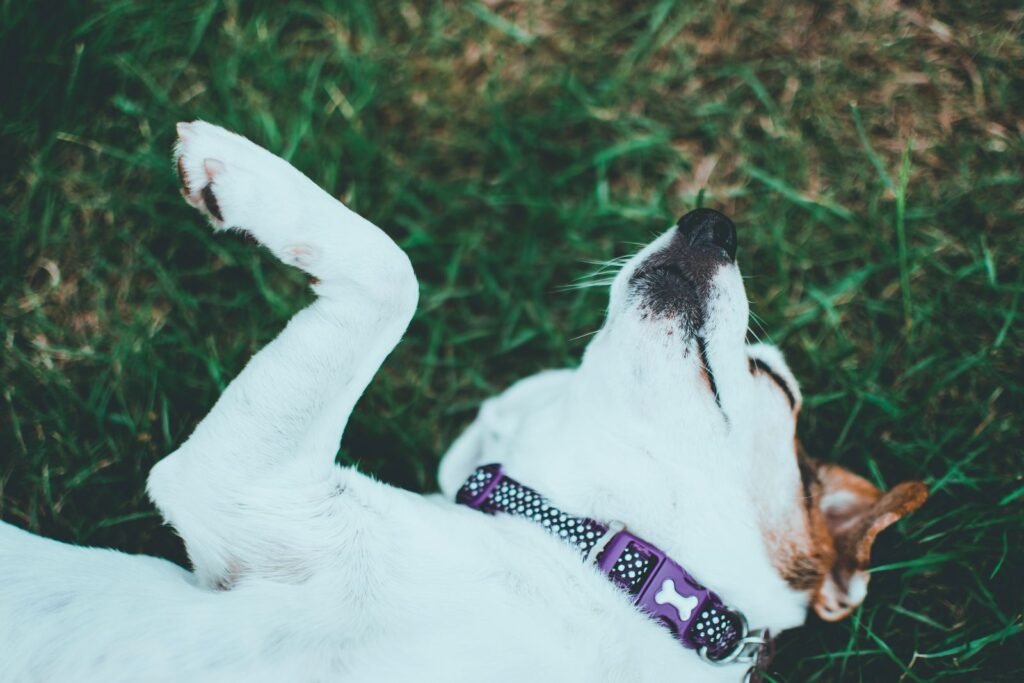
Possible Causes of a Swollen Belly in Dogs
Bloat and GDV
GDV (gastric dilatation volvulus) is when the stomach fills with gas and then twists, blocking both the entrance and exit. A twisted, gassy stomach can squash blood vessels and press on the lungs, making it hard to breathe. Bacteria can also leak into the blood, and the spleen can twist too.
Blue Cross says bloat can kill in a matter of hours without veterinary treatment, while Vets Now says it can kill within minutes. Blue Cross also notes that bloat is rare.
Pyometra (infected womb)
Pyometra is a womb infection in unneutered females, and PDSA calls it an emergency. Symptoms include pus from the vulva, drinking more, vomiting, a bloated abdomen, lethargy, not eating and collapse. It is most common four to eight weeks after a season, and the risk is higher over six years old. Neutering prevents it.
In a closed pyometra there may be no discharge, which makes it less obvious and more dangerous. Blue Cross says it needs urgent veterinary attention, and the usual cure is emergency surgery.
A blocked bladder
A blocked bladder can come with a swollen or painful tummy. PDSA says being unable to pass urine is life threatening, so call the vet immediately. VCA adds that a blocked urethra can make the bladder swell and possibly rupture.
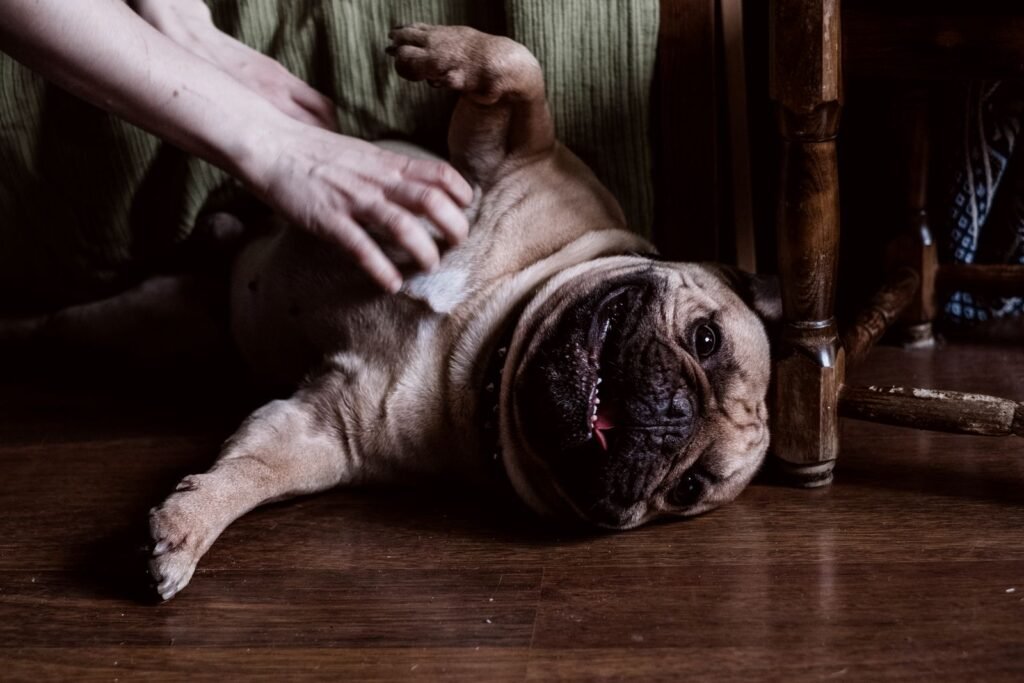
Fluid in the abdomen
VCA says free fluid in the abdomen is always a cause for concern. It can be urine, blood or an effusion. Effusions can develop from liver disease, heart disease, abdominal tumours, low blood proteins and inflammation of the abdominal lining, and VCA says they should always be investigated.
Right-sided heart failure can make the abdomen fill with fluid, a condition called ascites. VCA lists a swollen belly among signs of heart failure, along with coughing, tiring easily, excessive panting and pale or bluish gums. PDSA also lists a painful or bloated belly among signs of more serious liver disease.
Internal bleeding
Free blood in the abdomen is linked to trauma, surgery, bleeding disorders and some tumours. VCA says a dog hit by a car with sudden swelling is more likely to be bleeding internally.
Cushing's disease and hormonal causes
PDSA lists a "pot-belly" among Cushing's disease signs, alongside excessive drinking and peeing, bald patches, hunger, thin skin and low energy. Blue Cross says it can cause swelling that makes the belly appear to sag. There is no simple single test, so diagnosis can take time.
VCA explains that Cushing's can enlarge the belly through liver enlargement, abdominal fat and a weakened body wall, and that hypothyroidism can also cause a bulging belly. Learn more in What is Cushing's Disease?
Worms in puppies
PDSA lists a pot-belly and bloating, most common in puppies, as a roundworm symptom. Others include weight loss, diarrhoea, vomiting and poor growth. Roundworm rarely causes serious illness in adult dogs but can make puppies very ill, and many puppies catch it in the womb or from mum's milk.
As a general rule, PDSA says puppies are wormed from about three weeks old and then every two to three weeks until they are 16 weeks old. Adult dogs are usually wormed every one to three months. Each product has its own guidelines, so check with your vet which wormer suits your dog's age and weight.
PDSA also says prescription wormers, which are supplied by a vet or by an online pharmacy against a prescription from your vet, are far more reliable than non-prescription products.
Weight gain, pregnancy and growths
Fat can build up in the abdomen and enlarge the belly. Weight gain is usually from eating too much, too little exercise, or both. PDSA suggests checking your dog's shape: you should see a waist from the side and above, and the tummy should go in, not bulge out.
Pregnant dogs show belly enlargement by mid to late pregnancy. Organ enlargement and tumours, whether cancerous or not, can also swell the belly.
Signs of Bloat and What to Check
Early GDV may look like restlessness, faster breathing, drooling and trying unsuccessfully to be sick, perhaps with a little white froth. As it progresses, the belly may become visibly enlarged and may be painful to touch.
- Is the tummy hard or balloon-like?
- Is your dog retching or gagging without bringing anything up?
- Is there extra drooling, restlessness, panting or pacing?
- Is your dog breathing harder, or are the gums pale?
- Does your dog seem to be in pain around the stomach?
- How quickly did the swelling appear, and did anything happen beforehand?
The last point matters because your vet will ask. For example, VCA says a gradual swelling in an overweight, middle-aged dog may be linked to an underactive thyroid.
Emergency: Contact a Vet Immediately If…
- The belly has become swollen, especially if your dog is retching or trying to be sick without success.
- The tummy is hard, balloon-like or painful to touch.
- Your dog is drooling, restless, panting and pacing, or has pale gums.
- Your dog is struggling to breathe or has collapsed.
- Your unneutered female has a swollen belly with pus from the vulva, vomiting or collapse.
- Your dog cannot pass urine and has a swollen or painful tummy.
Call your vet or the nearest out-of-hours emergency vet straight away, and never wait to see if signs improve. While you arrange help, keep your dog calm and quiet in a cool, safe area.
When to Contact Your Vet
- Your dog's belly looks larger or fuller than usual, even if your dog seems otherwise well.
- You are not sure whether the tummy is swollen or your dog is acting normally.
- Your puppy has a pot-belly.
- The swelling comes with excessive drinking and peeing, bald patches or a big appetite.
- Your dog is coughing, tires easily or has pale or bluish gums.
- Your dog has a painful or bloated belly with jaundice, fever or bruising.
A swollen belly can be an emergency, so if in doubt, phone your vet straight away for advice.
How Vets Investigate a Swollen Belly
VCA says the vet will take a history, including how long the belly has been swollen and how fast it appeared. They will then examine your dog, including feeling the abdomen. Screening blood tests, urine tests and imaging often follow.
For suspected GDV, an abdominal X-ray is the best test, though very unwell dogs may get emergency treatment first. Treatment can include releasing gas from the stomach, a drip for shock, strong pain relief and surgery to untwist the stomach. Surgeons may stitch the stomach to the body wall to reduce the chance of it twisting again.
Bloat cannot be treated at home. Vets Now says success rates fall the longer treatment is delayed, and dogs with GDV will almost certainly die without treatment.
PDSA says the sooner a dog is treated, the better its chance of survival, but some dogs die even with treatment. Vets Now reports that most dogs who have surgery survive.
Pyometra is diagnosed from symptoms, examination and an ultrasound. Vets looking into liver disease may use blood and urine tests, ultrasound and X-rays.
Which Dogs Are at Risk of Bloat?
Any dog can get bloat. PDSA says risk is higher in giant and deep-chested breeds, such as German Shepherds, Great Danes, Saint Bernards and Dobermanns. It is mostly seen in middle-aged to older dogs and is more likely if a parent or sibling has had GDV.
Blue Cross says the causes are not really understood. Possible contributors include eating too fast, large meals, exercise soon after eating, being overweight or very underweight, age and stress.
No step is known to prevent bloat for certain. PDSA suggests feeding several small meals, feeding from the floor, using a slow feeder for fast eaters, and avoiding exercise and car travel for an hour before and after feeding. It also suggests encouraging your dog to drink little and often, but never withholding water.
PDSA adds that raised bowls were once advised for at-risk dogs but have now been shown to increase the risk. However, Vets Now says there is little scientific evidence for its own list of suggested steps, so recognising the signs matters most.
How Pet Med Direct Can Help
Pet Med Direct cannot diagnose the cause of a bigger tummy, and some causes are emergencies that need a vet at once.
You can read how pet prescriptions work and browse our dog medication range. Our flea, tick and worming guide is also available.
Some pet medicines require a valid veterinary prescription. Pet Med Direct can only supply prescription medicines after the prescription has been checked. Always follow your vet's advice and the directions on the medicine label.
Frequently Asked Questions
Why is my dog's belly swollen and hard?
There are many possible causes. A hard, balloon-like tummy with retching, drooling and restlessness may be bloat, which is an emergency. Call your vet immediately.
Is a swollen belly an emergency?
It can be. PDSA calls bloat (a swollen belly) a medical emergency and says to call your vet immediately. It is especially urgent if it comes with retching, drooling, restlessness, pain, pale gums or collapse. If you are unsure, call your vet for advice.
What are the signs of bloat in dogs?
Signs include a swollen stomach, retching without bringing anything up, drooling, restlessness, panting, pain around the stomach, pale gums and difficulty breathing. The swelling may not be obvious in every dog, so watch for the other signs too.
Which dogs get bloat?
Any dog can. Giant and deep-chested breeds are at higher risk, and it is mostly seen in middle-aged to older dogs. Vets Now notes that small breeds can be affected too.
Can bloat be prevented?
Nobody fully understands what causes bloat, so there is no sure way to prevent it. Steps such as small meals, feeding from the floor and avoiding exercise around meals may help reduce the risk. However, Vets Now says there is little scientific evidence for its suggested steps, so recognising the signs matters most.
Why does my puppy have a pot belly?
Worms are one possible cause, since roundworm can give puppies a pot-bellied look. Speak to your vet to check, because a puppy with roundworm can become very ill. Large and giant breed puppies can also get bloat, so a swollen belly with retching, drooling or restlessness is an emergency.
How do I check if my dog is overweight?
PDSA says you should see a waist from the side and from above. Feel under the tummy: it should go in, not bulge out, and you should be able to feel the ribs with a light touch.
Related Dog Health Guides
Sources and Further Reading
- PDSA — Bloat (swollen belly) in a dog
- PDSA — GDV (Gastric Dilatation Volvulus) in dogs
- Blue Cross — Bloat in dogs
- Vets Now — Bloat in dogs: Everything you need to know about the life-threatening condition
- VCA Animal Hospitals — Testing for Abdominal Enlargement in Dogs
- PDSA — Pyometra (infected womb) in dogs
- Blue Cross — Pyometra in dogs
- PDSA — Worms in dogs
- PDSA — Cushing's Disease in dogs
- Blue Cross — Cushing's disease in dogs: FAQ
- VCA Animal Hospitals — Congestive Heart Failure in Dogs
- PDSA — Liver disease in dogs
- PDSA — Obesity in dogs
- PDSA — What to do if your cat/dog can't pee
This article was researched from the sources listed above. It is general information for dog owners and is not a substitute for advice from your own vet.

Need pet products or prescription medicines? Visit the Pet Med Direct shop.
Shop Pet Med Direct