✓ Registered Vet Practice
🚚 Fast UK-Wide Delivery, Including Northern Ireland
℞ Prescription & Non-Prescription Products
→ Need to upload a prescription?

How Do I Know If My Dog Has a Urinary Tract Infection?
The signs of a urinary tract infection in dogs, what else it could be, and why a vet check matters.
Quick Answer
- Common signs of a urinary tract infection in dogs include peeing more often in small amounts, straining, strong-smelling or bloody urine, and accidents in the house.
- Dogs with a urinary tract problem may show no sign of pain when peeing, so changes in toilet habits matter too.
- A UTI will not go away on its own or with home remedies, and it needs a vet visit, where a urine test is often the first step.
- Being unable to pass urine is life threatening and needs immediate vet attention.
A urinary tract infection (UTI) in dogs is also called a bladder infection or urine infection. Bacteria usually cause it, and it often leads to cystitis, which simply means inflammation of the bladder.
The signs can look a lot like other problems, such as bladder stones. Because of that, only a vet can confirm what is going on. This guide explains what to look for, what a vet may do and when to act fast.
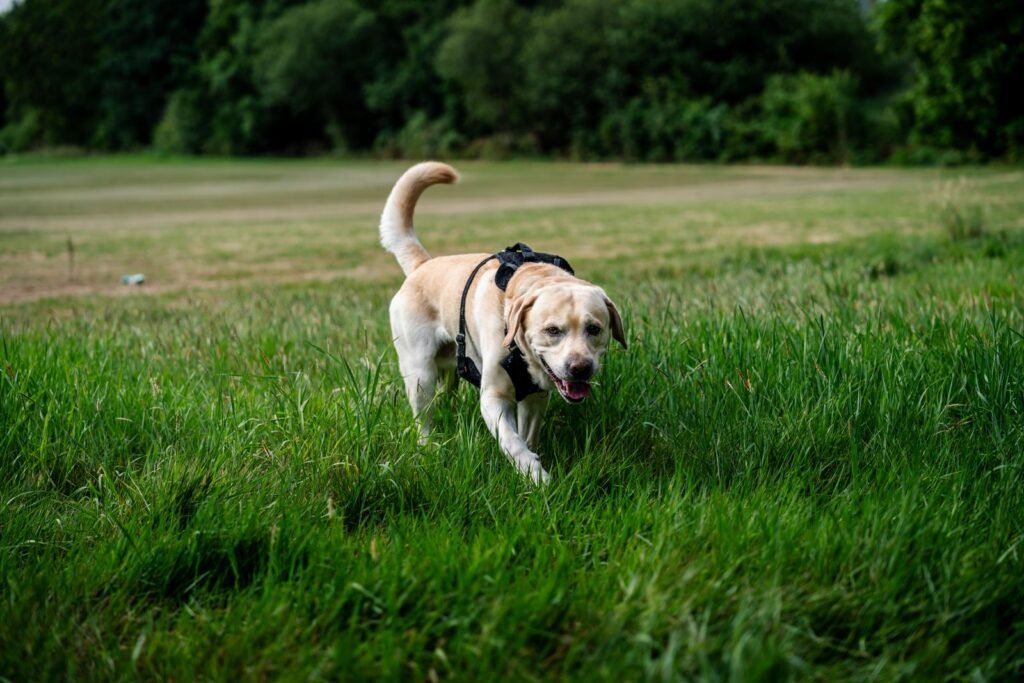
Signs of a Urinary Tract Infection in Dogs
Peeing more often, in small amounts
Blue Cross says the first sign is often more frequent wees with only a little urine each time, because the bladder is sore. PDSA also lists peeing in very small amounts, and VCA says some dogs ask to go out very often or dribble urine.
Straining, pain and licking
PDSA lists pain when peeing, straining and a painful tummy. VCA adds that dogs may cry or whine when they pee, or lick their genitals. In cystitis, VCA says dogs may squat and strain for several minutes to pass a small amount.
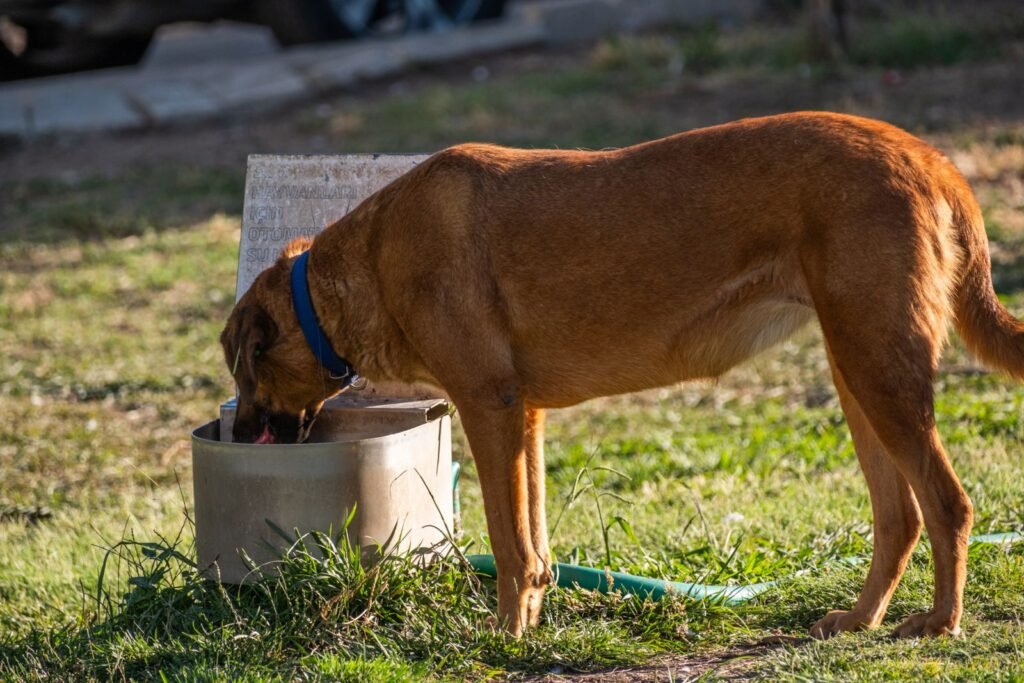
Blood or a strong smell
In cystitis, VCA says blood in the urine is the most common sign. Strong-smelling or bad-smelling urine is another sign listed by PDSA, Blue Cross and VCA.
Accidents in the house
Peeing in the house is a common sign. VCA says a break in house training in a previously well-behaved dog can be a red flag for a bladder problem. Vets Now also lists bladder infections among the causes of incontinence, which often shows up first as a damp patch on bedding.
Signs can be easy to miss
Vets Now notes that dogs with a urinary problem may not show any sign of pain or discomfort when peeing. In its guidance on puppies that pee a lot, the Kennel Club says sudden changes in toilet habits, lethargy, being off food, or signs of pain or distress when peeing mean you should contact your vet as soon as you can.
In puppies, watch for straining, bloody or cloudy urine and indoor accidents. Puppies naturally pee often because they have small bladders and a fast metabolism, so it is the change from normal that matters.
What Else Can Look Like a Urinary Tract Infection?
VCA warns that several urinary conditions can mimic the signs of a UTI. That is why a urine test matters.
- Bladder stones cause very similar signs, including straining, pain, small amounts, blood and peeing in the house. Some dogs show no signs at all. Stones often form because of infections, and dogs with stones are prone to repeat infections.
- Growths such as tumours or polyps in the bladder can also cause bleeding and straining.
- Sterile cystitis can cause signs with no infection. VCA says about 20% of cystitis cases have a negative culture and no palpable stones, which means more tests are needed.
- Diabetes and kidney disease can cause a dog to drink and pee more, according to the Kennel Club.
Emergency: Contact a Vet Immediately If…
- Your dog is straining to pee but nothing is coming out, or only small squirts are coming out.
- No urine has passed at all. Watch your dog try to pee and check their bed and around the home.
- Your dog cannot pass urine and also has any of these: repeated straining, crying out in pain, vomiting, a swollen or painful tummy, repeated licking of the genitals, lethargy or collapse.
Call your vet or the nearest out-of-hours emergency vet straight away. PDSA says not to wait to see if your dog improves and never to try to treat this at home.
When to Contact Your Vet
- You notice any change in your dog's peeing habits, because a UTI can be very painful.
- Your dog can pass small amounts of urine but is straining or uncomfortable. PDSA says to contact the vet anyway, because it is likely to get worse if left untreated.
- Your dog has blood in the urine, accidents in the house or unusually smelly urine.
- Your dog is lethargic or off their food.
- Signs have come back after treatment.
Take a fresh urine sample to the vet if you can. Cystitis can be caused by other more serious issues, so a vet check is needed to get the right treatment.
Why a Blocked Bladder Is Different
Being unable to pass urine is a life-threatening condition, according to PDSA. An untreated blockage can lead to severe pain, kidney problems, a dangerously slow heartbeat, a burst bladder and death.
Small bladder stones can travel and get stuck in the urethra. Then your dog cannot pee, which PDSA calls an emergency. VCA says obstruction usually shows as straining with no urine or only small squirts. It is more common in male dogs, who have a longer, narrower urethra, and it is very painful.
Cornell University's emergency guidance also lists straining to pee or producing no urine as a top reason to go to the emergency vet.
What Causes a Urinary Tract Infection in Dogs?
VCA explains that infection happens when bacteria travel up the urethra into the bladder, which is normally sterile. The most common bacterium is E. coli, though many others are possible.
Bladder infections are more common in female dogs. Blue Cross says this is thought to be because the tube leading to the bladder is shorter in females, which makes it easier for bacteria to reach the bladder.
PDSA says bladder infections usually occur if another medical problem affects the urinary tract. Examples include bladder stones, bladder injury, steroid medication, diabetes and Cushing's disease. VCA also lists kidney disease, incontinence and a weakened immune system as conditions that make UTIs more likely, and says obese dogs are more represented among dogs with UTIs.
Sources differ on how often another problem is involved, and VCA, for example, calls UTIs fairly common. If infections keep coming back, your vet may look for an underlying cause.
UTIs are not contagious in dogs.
How Vets Diagnose and Treat a Urinary Tract Infection
Your vet will ask questions, feel your dog's bladder and may ask for a fresh urine sample. A urinalysis can check for blood, bacteria and crystals. A urine culture and sensitivity test identifies the bacteria and which antibiotic is best suited to treat the infection.
If infections keep returning, your vet may suggest blood tests, X-rays or an ultrasound of the bladder. Blue Cross says a vet may also take urine directly from the bladder, using a sterile method.
PDSA says treatment is typically a short course of antibiotics from your vet, possibly with pain relief, plenty of water and frequent toilet trips. Any underlying cause, such as stones, is treated too. Always finish the whole course, even if your dog seems better.
Simple infections usually clear within a few days of starting treatment. They can come back if there is an underlying cause or if treatment stops too early. Blue Cross says a repeat infection in an unneutered male can mean prostate disease.
Collecting a Urine Sample and Lowering the Risk
Blue Cross says results are more reliable when urine is examined fresh. If you can, collect it first thing in the morning in a clean sample pot, label it and store it in the fridge. Hand it in the same day if possible.
PDSA says there is not much evidence that cranberry juice helps dogs with cystitis. It describes it as safe for dogs, but only alongside the treatment your vet directs, never instead of it. Please check with your vet first.
Blue Cross and PDSA say fresh, clean water at all times and regular chances to empty the bladder can help lower the risk. Blue Cross also says grooming long-haired breeds helps them stay clean, and that any special diet your vet prescribes should be followed. It adds that prevention is not always possible.
How Pet Med Direct Can Help
Pet Med Direct cannot diagnose a UTI, and your dog needs a vet check first. If your vet prescribes medicine, how pet prescriptions work explains our process.
You can also browse our non-prescription dog urinary support range and our dog food range, including veterinary diets. Neither is a treatment for a suspected UTI, and please check with your vet before changing your dog's diet.
Some pet medicines require a valid veterinary prescription. Pet Med Direct can only supply prescription medicines after the prescription has been checked. Always follow your vet's advice and the directions on the medicine label.
Frequently Asked Questions
What are the signs of a urinary tract infection in dogs?
Signs include pain when peeing, straining, peeing more often in small amounts, blood in the urine and strong-smelling urine. Dogs may also have accidents in the house or lick their private parts. Some dogs show no obvious pain.
Can a urinary tract infection clear up on its own?
Blue Cross says a UTI will not go away on its own or with home remedies. Your dog needs a vet visit, and any prescribed course should be finished even if signs ease.
How will the vet diagnose it?
Your vet will ask questions, feel the bladder and often test a urine sample. A culture and sensitivity test can identify the bacteria and the antibiotic best suited to treat them. Blood tests, X-rays or an ultrasound may follow if infections repeat.
How long does a dog UTI take to clear?
PDSA says simple infections usually clear within a few days of starting treatment. If the infection returns, your vet may look for an underlying cause.
Does cranberry juice help?
PDSA says there is not much evidence that cranberry juice helps dogs with cystitis. It describes it as safe for dogs, but only alongside the treatment your vet directs, never instead of it. Please check with your vet first.
Why does my dog keep getting infections?
An underlying cause may be present, such as bladder stones, diabetes or Cushing's disease. Infections can also return if antibiotics are stopped too early. Your vet can investigate if this keeps happening.
Is straining to pee an emergency?
It is an emergency if your dog is straining and no urine is coming out. VCA also links straining with only small squirts of urine to a blockage. If small amounts are passing, still call your vet straight away, because PDSA says it is likely to get worse if left untreated.
Related Dog Health Guides
Sources and Further Reading
- PDSA — Bladder infection (UTI) in dogs
- PDSA — What to do if your cat/dog can't pee
- PDSA — Bladder stones in dogs
- Blue Cross — Cystitis in dogs
- The Kennel Club — Why does my puppy pee so much?
- Vets Now — Older dog incontinence at night, why is my dog peeing inside?
- VCA Animal Hospitals — Urinary Tract Infections (UTIs) in Dogs
- VCA Animal Hospitals — Cystitis in Dogs
- VCA Animal Hospitals — Bladder Stones in Dogs
- Cornell University Riney Canine Health Center — When to go to the ER
This article was researched from the sources listed above. It is general information for dog owners and is not a substitute for advice from your own vet.

Need pet products or prescription medicines? Visit the Pet Med Direct shop.
Shop Pet Med Direct