Dog Health Guide

Diabetes in Dogs: Understanding the signs, treatment and everyday care

Diabetes can be a worrying diagnosis, but with the right veterinary care and a consistent daily routine, many dogs with diabetes can continue to enjoy happy, active lives. Learn how to recognise the symptoms, understand treatment and support your dog every day.

  • 26 min read
  • Published
  • By the Pet Med Direct team
Golden Retriever standing in long grass in a sunlit meadow at golden hour
  • Researched from PDSA, MSD Veterinary Manual and UK medicine data sheets
  • Online pharmacy of Farm Vet Services, a working vet practice
  • Prescriptions checked before dispatch
  • Insulated cold-chain packaging for fridge medicines

Diabetes in dogs at a glance

  • Diabetes in dogs (diabetes mellitus) happens when a dog cannot make enough insulin, so sugar builds up in the blood instead of fuelling the body.
  • The classic signs are drinking more, weeing more, a bigger appetite and weight loss. Other illnesses can cause the same signs, so a vet check is essential.
  • In dogs, diabetes is usually lifelong. Treatment is vet-prescribed insulin injections, usually given with consistent meals, plus a steady exercise routine and regular check-ups.
  • Low blood sugar (a "hypo") and diabetic ketoacidosis are emergencies. Weakness, wobbliness, trembling, seizures, collapse, vomiting or refusing food need a vet straight away.
  • UK charities PDSA and Blue Cross say most well-managed diabetic dogs go on to lead happy, active lives, with commitment to a daily routine.
The basics

What is diabetes in dogs?

Diabetes in dogs is a long-term hormonal condition in which the pancreas does not produce enough insulin. Without insulin, glucose (sugar) from food cannot get into the body's cells, so blood sugar rises while the body is starved of energy.

The full medical name is canine diabetes mellitus. Insulin is made by beta cells in the pancreas. It works with another hormone, glucagon, to keep blood glucose within a narrow, healthy range. When insulin is missing, cells start breaking down the body's fat and protein stores for energy instead. That is why a diabetic dog can be hungry and eating well, yet still lose weight.

Food is digestedMeals are broken down and glucose passes into the bloodstream.
Insulin opens the doorInsulin from the pancreas lets glucose move out of the blood and into the body's cells.
Without enough insulinGlucose builds up in the blood and spills into the urine, while cells go short of fuel.

A simplified explanation, based on the PDSA and the MSD Veterinary Manual.

Is it the same as diabetes in people?

Not exactly. Most diabetic dogs are largely insulin-deficient: their pancreas has lost the ability to make enough insulin. Blue Cross explains that almost all diabetic dogs have the form sometimes compared to human "type 1" diabetes, and that the "type 2" pattern is extremely rare in dogs. The 2026 AAHA veterinary guidelines describe the picture as more complex than a simple label, so it is best not to assume that human diabetes advice applies to your dog.

This difference matters. Diet and weight loss alone will not control diabetes in dogs, and the MSD Veterinary Manual notes that, without a predisposing cause, the disease is generally lifelong. Unlike some diabetic cats, very few dogs go into remission.

Why does diabetes need a vet?

Diabetes cannot be managed safely at home without veterinary support. Your vet needs to confirm the diagnosis, check for other illnesses, choose the right insulin and work out your dog's dose. They will then adjust treatment over time, based on your dog's signs and test results. Getting the balance wrong in either direction can make a dog seriously ill.

Dog diabetes symptoms

What are the early signs of diabetes in dogs?

The most common signs of diabetes in dogs are drinking much more than usual, weeing more often, a bigger appetite and weight loss despite eating well. Many dogs also become tired, and cloudy eyes caused by cataracts are a common complication.

Signs often develop gradually and are easy to miss at first. You might notice the water bowl emptying faster, your dog asking to go out at night, or accidents indoors from a dog that is normally clean.

Excessive thirstDrinking noticeably more and refilling the bowl more often.
Increased urinationWeeing more, larger puddles, night-time trips or indoor accidents.
Increased appetiteSeeming hungry all the time or begging more than usual.
Unexplained weight lossLosing weight even though they are eating well.
TirednessLess energy, sleeping more or less keen on walks and play.
Vision changesCloudy eyes or bumping into things, caused by cataracts.

Signs you might miss

  • Recurrent infections, especially bladder (urinary tract) infections
  • Sweet-smelling breath
  • Weeing indoors in a house-trained dog
  • Vomiting or weakness, which can mean diabetes is becoming more serious
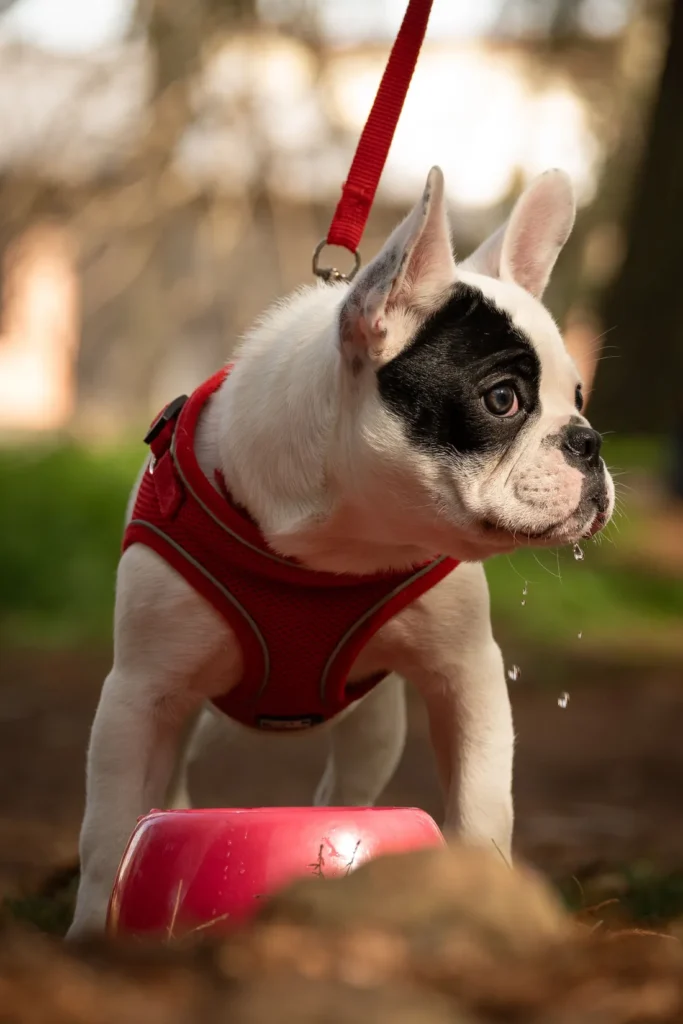
French Bulldog puppy in a red harness beside a red water bowl, with water dripping from its chin
Dog diabetes symptoms: what you might notice and why
SignWhat you might noticeWhy it happens
Excessive thirstEmptying the water bowl faster, drinking after every walkExtra urine is lost, so the body needs to replace the water
Increased urinationMore frequent or larger wees, accidents, waking at nightBlood sugar rises above the level the kidneys can hold back, so sugar and water spill into the urine
Increased appetiteConstant hunger, scavenging, beggingWithout insulin, cells cannot use glucose, so the body signals it is short of fuel
Weight lossRibs or spine easier to feel, looser collarThe body breaks down fat and muscle for energy instead
TirednessSleeping more, slower on walksCells are short of usable energy
Cloudy eyesGrey or white pupils, clumsiness, bumping into furnitureCataracts are a common complication of diabetes in dogs and can develop quickly

These signs are not unique to diabetes. Increased thirst, weeing more and weight loss can also be caused by other health problems, including Cushing's disease, which can also occur alongside diabetes. If you notice any of them, book an appointment with your vet. Our guides to a dog drinking more water than usual and a dog losing weight explain other possible causes.

Diabetes and cataracts

Cataracts are one of the most common complications of diabetes in dogs. The PDSA notes they can develop even when diabetes is very well managed. They are not painful, but they cause gradual loss of sight. In a UK study of dogs seen by first-opinion vets, about a third already had cataracts recorded within three months of being diagnosed. Many dogs adapt well to reduced vision, and some can have cataracts removed by a specialist eye vet.

Causes

What causes diabetes in dogs?

Most diabetes in dogs is caused by the loss of the insulin-producing cells in the pancreas. This is usually because the immune system attacks them, or because of damage from pancreatitis. Hormones, some medicines and other illnesses can make the body resist insulin and tip a susceptible dog into diabetes.

The 2026 AAHA guidelines describe the exact cause as unknown and probably multifactorial, meaning several things often combine. The main recognised factors are below.

Insulin deficiency

The PDSA explains that diabetes in dogs is usually caused when the body attacks and destroys its own insulin-producing cells. Once enough of these cells are lost, the pancreas can no longer make the insulin the body needs, which is why most diabetic dogs need insulin for life.

Pancreatic disease

Severe or repeated pancreatitis (inflammation of the pancreas) can damage the insulin-producing cells. The MSD Veterinary Manual lists it, alongside immune destruction, as one of the main routes to diabetes in dogs. In a large UK study, pancreatitis recorded around the time of diagnosis was strongly associated with diabetes.

Hormonal influences

After every season, an unspayed female dog goes through a phase of about nine weeks with high levels of the hormone progesterone, whether or not she is pregnant. This can cause marked insulin resistance and, in some females, diabetes. It is one of the few situations where diabetes in dogs can go into remission, because prompt spaying may allow the body to recover. This is why vets often advise spaying a diabetic female dog.

Cushing's disease (an overactive adrenal gland) also causes insulin resistance and is commonly seen alongside diabetes in dogs.

Medicines

Long-term treatment with steroids (glucocorticoids) or progestogen hormones can make a dog more likely to develop diabetes. UK research found that previous steroid treatment was linked with higher odds of a diabetes diagnosis. Never stop a prescribed medicine because of this: talk to your vet if you have concerns.

Not simply "type 2" diabetes. It is easy to assume diabetes in dogs works like the type 2 diabetes many people have heard of. It does not. Veterinary guidelines say glucose-lowering tablets such as glipizide should not be used in dogs, and diet changes on their own will not control the condition.

Risk factors

Which dogs are most at risk of diabetes?

Diabetes is most often diagnosed in middle-aged and older dogs, typically from around eight years old. Unspayed females, dogs with pancreatitis or Cushing's disease, dogs on long-term steroids and some terrier breeds have a higher risk. Any dog can be affected.

Diabetes is not common. In a study of almost half a million dogs aged three or over seen at UK vet practices in 2016, about 1 in 400 had diabetes. The same study, by the Royal Veterinary College's VetCompass programme, gives the best UK evidence on who is most at risk.

Well-established risk factors

  • Age: dogs over eight had between about three and a half and seven times the odds of dogs aged three to eight. In a later UK study, the typical age at diagnosis was 10.
  • Unspayed females: entire females had about three times the odds of entire males, linked to the hormone changes after each season.
  • Other conditions: pancreatitis and Cushing's disease.
  • Medicines: previous or long-term steroid treatment.

Possible associations

  • Obesity: overweight dogs had higher odds in the UK study, and excess weight makes the body resist insulin. The researchers note it is less clear that obesity directly causes diabetes in dogs.
  • Genetics: a genetic susceptibility is suspected, which is why some breeds seem more prone.

Keeping your dog at a healthy weight is still worthwhile for many reasons. See our guide to obesity in dogs.

Diabetes in older dogs

Because risk rises with age, diabetes in older dogs is far more common than in young ones. The early signs, such as drinking more or slowing down, are easy to put down to "just getting old". Mention any change in thirst, appetite, weight or toilet habits at your dog's check-ups.

Breeds and diabetes in dogs in the UK

Compared with crossbreeds, the UK VetCompass study found Border Terriers and West Highland White Terriers had significantly higher odds of diabetes. Staffordshire Bull Terriers, Shih-tzus and German Shepherd Dogs had lower odds. Other sources, mostly from outside the UK, also name breeds such as Miniature Schnauzers, Yorkshire Terriers, Cavalier King Charles Spaniels, Bichon Frises, Samoyeds and Poodles. Breed is only one piece of the picture, and dogs of any breed or crossbreed can develop diabetes.

Diagnosis

How is diabetes in dogs diagnosed?

Vets diagnose diabetes in dogs by finding persistently high blood glucose together with glucose in the urine, in a dog showing typical signs. Further blood and urine tests then check for infections and other conditions that could complicate treatment.
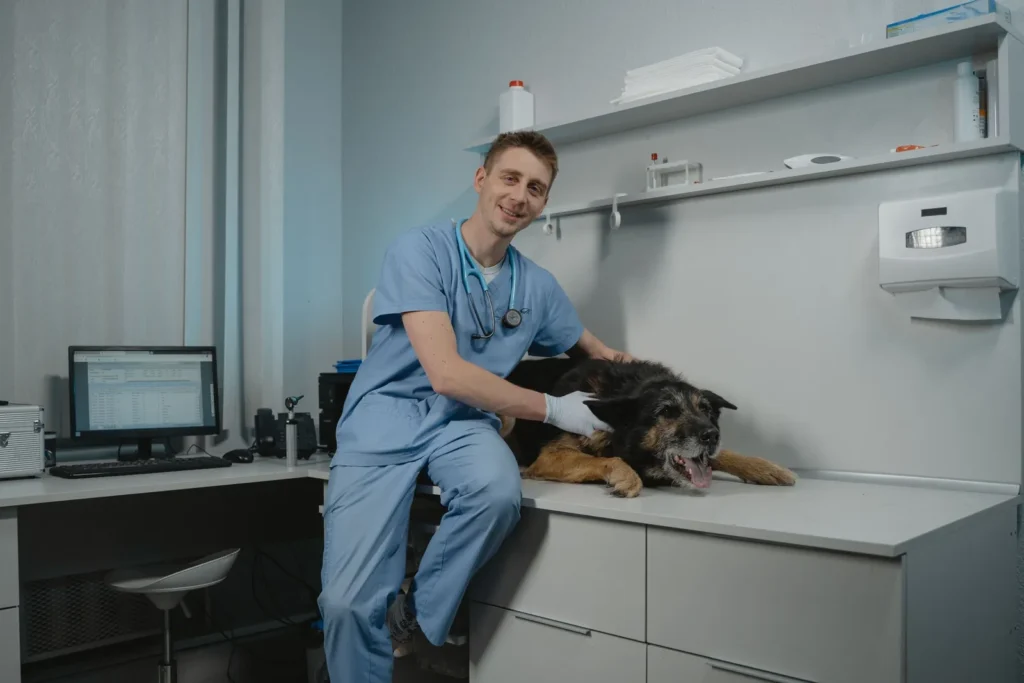
Vet in blue scrubs with a stethoscope beside a calm older shepherd-type dog lying on a clinic examination table
  1. History and examination

    Your vet will ask about thirst, appetite, weight, toilet habits and any medicines. For an unspayed female, they will ask when she was last in season. Taking a fresh urine sample to the appointment can help, as the PDSA suggests.

  2. Blood glucose test

    A raised blood glucose level is the first clue. Stress can raise blood sugar briefly, so one high reading on its own is not enough to confirm diabetes.

  3. Urine test

    Glucose in the urine alongside high blood glucose confirms the picture. Your vet will also check the urine for ketones and for signs of infection, and may send a sample for culture.

  4. Further investigations

    A wider blood panel and, where appropriate, a fructosamine test (which reflects average blood glucose over the previous two to three weeks) help to rule out other causes. Your vet may also look for pancreatitis, Cushing's disease, dental disease or, in unspayed females, a womb infection (pyometra).

How vets tell diabetes apart from other conditions

Several conditions can make a dog drink and wee more. What points to diabetes is the combination of signs, persistently high blood sugar and sugar in the urine, with no other explanation. Because other illnesses often occur alongside diabetes and affect how well insulin works, vets look for them at diagnosis rather than treating the blood sugar alone. A very unwell dog may need to stay in the practice for treatment first.

Dog diabetes treatment UK

How is diabetes in dogs treated?

Diabetes in dogs is treated with vet-prescribed insulin injections, combined with consistent meals, a steady exercise routine, weight management and regular veterinary monitoring. Treatment is usually lifelong, and your vet will adjust it over time.

The aim of treatment is to control your dog's signs, so they are no longer drinking, weeing or eating excessively and their weight is stable. The AAHA guidelines are clear that controlling signs matters more than chasing "perfect" glucose numbers. Many owners notice improvement within a week or two of starting treatment.

Veterinary-prescribed insulinInjected under the skin, usually once or twice a day. Your vet chooses the product, dose and timing.
An appropriate dietA complete diet your vet recommends, fed in the same amounts every day.
Consistent routineMeals and injections at the same times each day, usually 12 hours apart.
Regular exerciseSimilar walks every day. Sudden bursts of extra exercise can make blood sugar drop.
Weight managementThe PDSA says keeping your dog slim makes diabetes much easier to control.
Monitoring and follow-upA daily diary at home plus regular rechecks, so your vet can fine-tune treatment.

Starting treatment

Finding the right insulin dose takes time. Your vet will set a starting dose and then recheck your dog at intervals, often using a series of blood glucose readings over a day (a "glucose curve"), before making any changes. Concurrent problems such as urine infections or dental disease may also need treating, because they can make insulin work less well.

If your dog is an unspayed female, your vet is likely to recommend spaying. The hormone changes after each season make diabetes hard to control, and in a few dogs with progesterone-related diabetes, spaying may even lead to remission.

Never change your dog's insulin dose yourself. Doses are set and adjusted only by your vet. Changes in diet, exercise, illness, stress or other medicines can all alter how much insulin a dog needs, so tell your vet about any of these.

Insulin for dogs

Insulin for dogs: what owners need to know

Insulin replaces the hormone a diabetic dog's pancreas can no longer make, which is why almost all diabetic dogs need it. In the UK, insulin for dogs is a prescription-only veterinary medicine (POM-V), given by injection under the skin using the device and dose your vet prescribes.
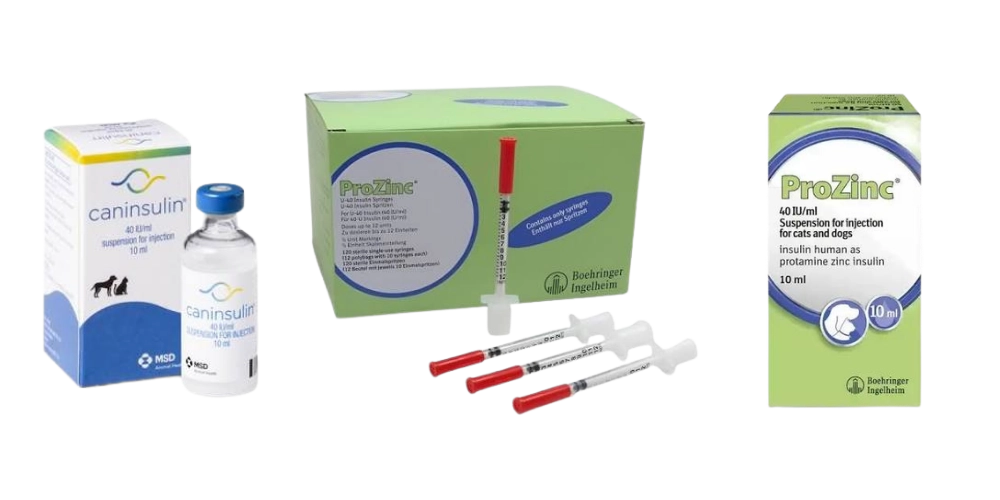
Caninsulin 40 IU/ml vial and box, a box of ProZinc U-40 insulin syringes and a ProZinc 40 IU/ml box: veterinary insulin products for dogs
Examples of veterinary insulin and U-40 insulin syringes: Caninsulin 40 IU/ml (MSD Animal Health) and ProZinc 40 IU/ml (Boehringer Ingelheim). Both are authorised for dogs in the UK and are prescription-only. Your vet decides which insulin is right for your dog.

Why insulin is needed

Because most diabetic dogs have lost their insulin-producing cells, the missing insulin has to be replaced. The MSD Veterinary Manual notes that diet and weight loss alone will not control diabetes, so insulin is needed from the start. Most dogs need insulin twice a day, although some products can be given once daily if your vet considers it suitable.

Learning to inject

Your vet or veterinary nurse will show you how to draw up and give the injection before you do it at home. Most owners find it becomes a quick part of the daily routine, and many dogs barely notice. Insulin is injected under the skin, and the Caninsulin leaflet advises changing the injection site each day. If you are ever unsure about a dose, or if insulin leaks out, do not give an extra injection. Call your vet practice for advice.

Match the syringe to the insulinCaninsulin and ProZinc are both 40 IU/ml insulins and must be used with U-40 syringes (or the Caninsulin VetPen). Using a syringe made for a different strength can give a seriously wrong dose.
Store it correctlyBoth are kept upright in the fridge at 2–8 °C, never frozen, and in their carton away from light. Once opened, check the leaflet: current UK Caninsulin packs state 42 days, ProZinc 60 days.
Mix it the right wayEach product has its own instructions. ProZinc is gently rolled before every dose, while Caninsulin is shaken thoroughly before first use, then mixed gently. Follow the leaflet for the product you have.
Never adjust the doseOnly your vet should change the amount or timing of insulin. Too much insulin can cause a life-threatening drop in blood sugar.

Ask your vet how to dispose of used needles and syringes safely, as practices handle sharps returns in different ways. Keep insulin and needles out of reach of children, and seek medical advice immediately if you accidentally inject yourself.

Insulin and supplies at Pet Med Direct

If your vet has prescribed insulin for your dog, you can order it from us against a valid written prescription. Product pages show what we can supply to your delivery address.

Diabetic dog diet

What should I feed a diabetic dog?

A diabetic dog should eat a complete diet recommended by your vet, in the same amount and at the same times every day, matched to their insulin injections. Consistency matters more than any single "diabetic" food, and treats should only be given as your vet agrees.
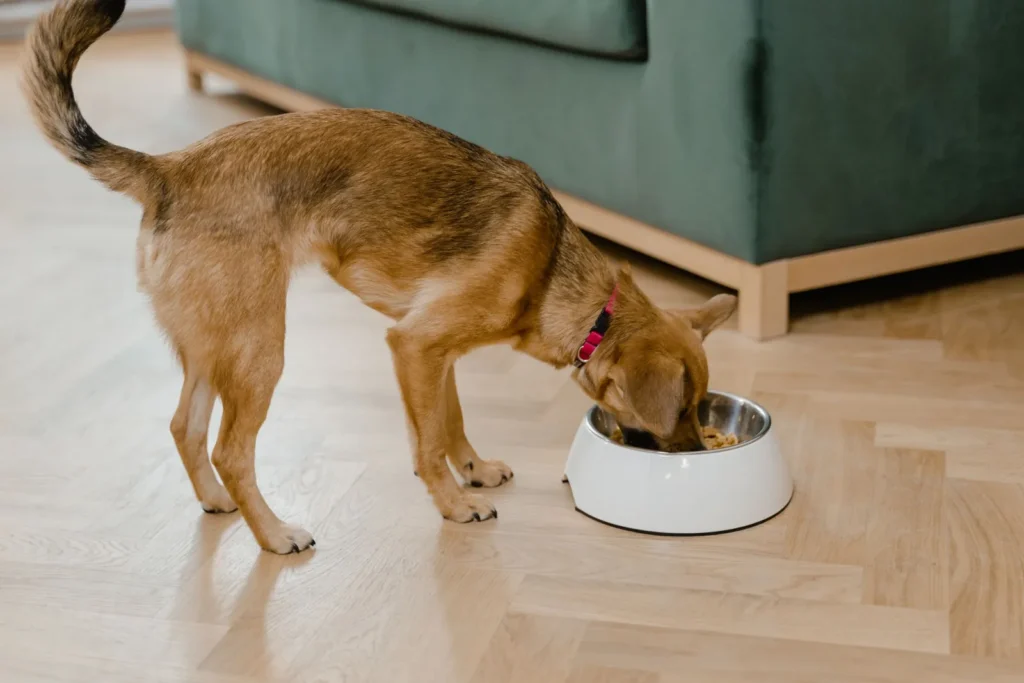
Small ginger dog eating kibble from a white and steel bowl on a wooden floor
  • Consistent mealtimes: usually two equal meals a day, timed with insulin as your vet directs.
  • Same food, same amount: weigh or measure each meal so your dog gets the same intake every day.
  • Diet type: the MSD Veterinary Manual says diets higher in fibre and complex carbohydrates are preferred for dogs. Your vet may suggest a veterinary diabetic diet.
  • Avoid sugary foods: semi-moist foods high in simple sugars should be avoided.

Why the feeding plan must match the insulin

Insulin lowers blood sugar and food raises it, so the two need to be balanced. If your dog eats less than usual but receives their normal insulin, blood sugar can fall too low. That is why your vet links the feeding plan to your dog's insulin, and why changing food, portion size or meal times can change how much insulin your dog needs. Always talk to your vet before switching diets.

Bodyweight and treats

Keeping your dog slim makes diabetes easier to control. If your dog is overweight, your vet may plan a supervised weight-loss diet. Weigh your dog regularly so you and your vet can spot changes early.

Treat advice differs between sources: the PDSA suggests no treats between meals, while US veterinary guidance says to count treats in the daily calories. The safest approach is to ask your vet which treats, if any, suit your dog, and to use fuss, play and praise as rewards instead.

Caring for a diabetic dog

A daily care routine for a diabetic dog

Caring for a diabetic dog is built around routine: the same meals, insulin, exercise and checks at the same times every day. The PDSA explains that a routine which stays the same each day helps keep blood sugar steady.

An example dayIllustrative only, not a prescribed schedule
  1. MorningFeed and medicate
    • Offer a measured breakfast
    • Check your dog eats normally
    • Give insulin exactly as your vet directs
    • Note the time, dose and appetite in your diary
  2. DaytimeMove and observe
    • A walk of similar length and pace to usual
    • Fresh water always available
    • Watch energy, thirst and toilet habits
    • Keep a sugary hypo kit to hand on walks
  3. EveningRepeat and record
    • Second measured meal, about 12 hours later if your vet advises twice-daily dosing
    • Second insulin dose as prescribed
    • Record anything unusual
    • Keep up the vet recheck schedule

Your vet will tell you the right times, amounts and insulin plan for your dog. Some dogs are treated once daily; follow your own vet's instructions.
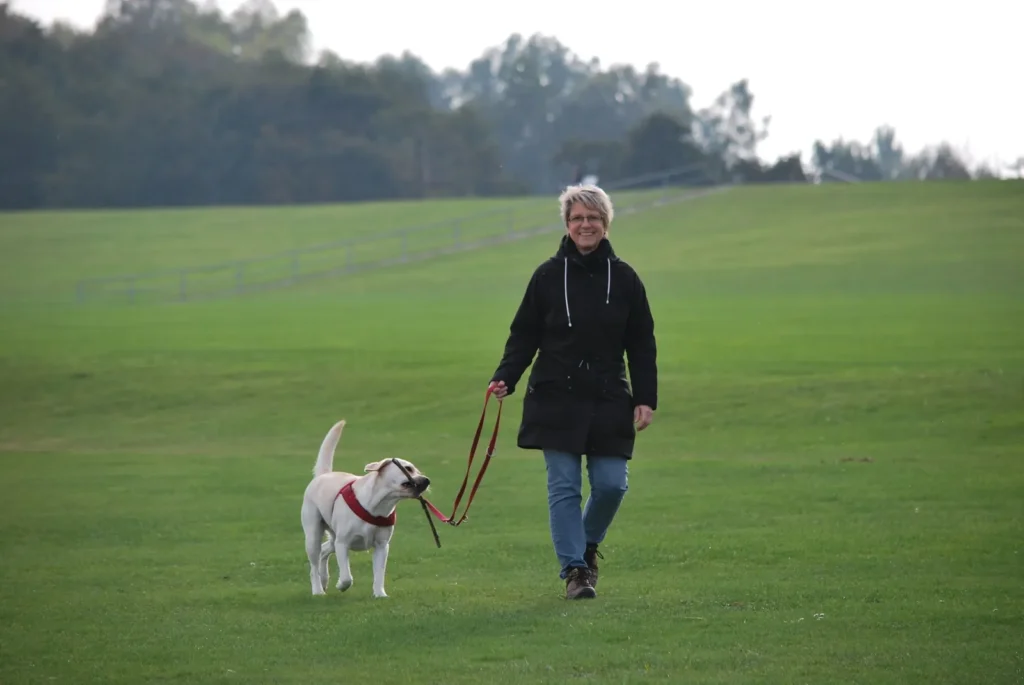
Woman walking a yellow Labrador on a red lead across a large green park

Exercise

Regular, predictable exercise helps. The PDSA warns that suddenly increasing or decreasing exercise can make blood sugar rise or fall, and a much longer or harder walk than usual is a recognised trigger for low blood sugar. Aim for similar walks each day, and carry something sugary, such as a sachet of liquid glucose, in case your dog shows signs of a hypo.

Monitoring at home

How do I monitor my diabetic dog at home?

Keep a simple daily diary of your dog's appetite, water intake, urination, energy, weight and insulin doses. Veterinary guidelines say these clinical signs are the most important guide to how well diabetes is controlled, and your vet will use them alongside blood and urine tests.

  • Did your dog eat their full meal?
  • Insulin given: time and dose
  • Is water intake normal, or rising again?
  • Weeing more, or any accidents?
  • Energy level and behaviour
  • Any wobbliness, trembling or vomiting?
  • Changes in the eyes or vision
  • Weekly weight check

When your vet may suggest blood or urine testing

Your vet will decide which tests suit your dog. These can include:

  • Blood glucose curves: a series of readings across the day, done at the practice or, with training, at home.
  • Continuous glucose monitors: small sensors that record glucose for up to 14 days. Veterinary guidelines report they can be useful in dogs, including for spotting low readings overnight.
  • Fructosamine: a blood test showing the average glucose level over recent weeks, useful for following trends at rechecks.
  • Urine strips: some vets ask owners to check urine for glucose and ketones. If ketones appear, contact your vet.

The Caninsulin leaflet suggests follow-up examinations every two to four months once a dog is stable, or more often if there are problems. Take your diary to each appointment, and never use a home reading to change the insulin dose unless your vet has given you clear instructions.

Dog diabetes emergency symptoms

Diabetes emergencies: when to call your vet immediately

The two main diabetes emergencies in dogs are hypoglycaemia (blood sugar too low) and diabetic ketoacidosis (DKA). Both can be fatal without prompt treatment. If your diabetic dog is weak, wobbly, trembling, having a seizure, collapsed, vomiting or refusing food, contact your vet or an out-of-hours emergency vet straight away.

Call your vet now if you see any of these signs

Hypoglycaemia

Low blood sugar. Often caused by too much insulin, a missed or small meal, or much more exercise than usual.

  • Weakness, wobbliness or stumbling
  • Seeming vacant, confused or "spaced out"
  • Trembling or twitching
  • Sudden extreme hunger
  • Seizures or collapse

Diabetic ketoacidosis (DKA)

A build-up of ketones that makes the blood too acidic. More common in newly diagnosed or poorly controlled dogs, or during another illness.

  • Vomiting or diarrhoea
  • Not eating
  • Severe tiredness or weakness
  • Unsteadiness or collapse
  • Sweet breath, like pear drops or nail polish remover
  • Trouble breathing

If you suspect a hypo and your dog is conscious, UK vet charities including the PDSA, Blue Cross and Animal Trust advise rubbing a small amount of honey or glucose syrup onto your dog's gums, then contacting your vet immediately for an emergency appointment.

If your dog is collapsed, having a seizure or cannot swallow, do not pour anything into their mouth and keep your fingers away from it, as they could choke or bite. Call your vet or nearest emergency vet and follow their instructions. Do not give any more insulin until you have spoken to a vet.

Other reasons to seek urgent advice include repeated vomiting, a dog that seems suddenly unwell or confused, bumping into things, or any mistake with an insulin dose. If your dog has a seizure, our guide to seizures in dogs explains what to do while you get help. DKA is treated in the vet practice, often with intravenous fluids and close monitoring, so do not wait to see if it settles.

Missed meals

What if my diabetic dog won't eat?

If your diabetic dog won't eat, or eats much less than usual, call your vet practice for advice before giving insulin. Insulin needs food to work safely, so a normal dose on an empty stomach can cause dangerously low blood sugar. Never guess how much to give.

Insulin lowers blood sugar whether or not your dog has eaten. That is why the PDSA advises calling your vet if your dog does not eat all of its food, vomits after eating or steals extra food. Cornell University's vet school gives the same advice for a skipped meal: contact your vet to discuss the insulin dose.

Ask your vet now what to do if your dog skips a meal, so you have a plan in place before it happens. Some vets give owners written instructions for missed or partly eaten meals. Follow your own vet's plan rather than general advice found online.

Not eating can also be an early sign of diabetic ketoacidosis or another illness, especially with vomiting, diarrhoea or lethargy. Your vet will want to know if your dog refuses more than one meal. Our guide on why a dog may stop eating covers other causes.

Life with diabetes

Can diabetic dogs live a normal life?

Yes, many can. The PDSA says most well-managed diabetic dogs that respond to treatment have long, happy lives, and Blue Cross says most go on to lead happy and active lives. It does take a long-term commitment to daily injections, a steady routine and regular vet checks.

The 2026 AAHA guidelines describe the outlook for diabetic dogs as favourable with proper treatment and monitoring, and note that many dogs live with few or no signs once their insulin is established. Cataracts may still develop over time, but most dogs cope well with reduced sight, especially if it happens gradually.

Every dog is different. Older dogs, and dogs with other conditions such as pancreatitis or Cushing's disease, can be harder to stabilise. Your vet is the best person to talk to about your own dog's outlook.

Woman in a knitted jumper cuddling a grey-muzzled senior dog on a sofa at home

How long can diabetic dogs live?

There is no single answer, because life expectancy depends on age at diagnosis, other health problems and how well diabetes is controlled. A UK VetCompass study of dogs diagnosed in 2016 found that starting insulin was strongly linked with better survival, and that survival figures were pulled down by dogs in which treatment was never really attempted. Animal Trust, a UK veterinary charity, says that with treatment and a consistent routine most dogs can enjoy a good quality of life for many years after diagnosis.

Is it a big commitment?

Honestly, yes. Diabetes means fixed mealtimes, injections usually twice a day, someone trained to give insulin when you are away, and ongoing costs. Planning ahead for holidays, kennels or pet sitters helps, and your vet practice can support you as you learn the routine.

Costs in the UK

How much does it cost to treat diabetes in a dog in the UK?

The cost of treating diabetes in dogs varies widely with your dog's size, insulin needs, other health problems and your vet practice's fees. The PDSA says treatment can cost thousands of pounds over a dog's lifetime, so it is worth asking your vet for an estimate and checking your pet insurance early.

We have not found reliable, current UK figures for each part of a diabetic dog's care, so we do not quote example prices here. One broad indication comes from Which?, which reported in 2024 that managing diabetes in a cat or dog can cost around £1,300 a year, based on insurance claims data. Your own costs could be higher or lower.

What you may need to budget for
Cost categoryWhat it covers
Veterinary appointmentsThe first consultation, rechecks while the dose is adjusted, then routine reviews every few months.
DiagnosisBlood and urine tests, plus any extra tests to look for other conditions.
InsulinAn ongoing prescription medicine. How much your dog uses depends on their size and dose.
Injection devicesSingle-use U-40 syringes, or a VetPen and needles, plus safe sharps disposal.
MonitoringGlucose curves, fructosamine tests, urine strips or a continuous glucose monitor if your vet recommends one.
DietA veterinary diabetic diet or other food your vet recommends.
PrescriptionsA written prescription if you buy medicines online. Your vet may charge a reasonable fee for issuing it, so check with your practice before you order.
Ongoing careTreatment of complications such as urine infections, or cataract surgery at a specialist eye vet if suitable.

Diabetes is a long-term condition, so check whether your pet insurance policy covers it year after year. If you are struggling with costs, talk to your vet. They can explain the options and, where suitable, give you a written prescription so you can compare prices.

How Pet Med Direct can help

Getting your dog's diabetes medicines

Pet Med Direct is the online pharmacy of Farm Vet Services, a working veterinary practice. If your vet has diagnosed diabetes and prescribed insulin, you can ask them for a written prescription and order your dog's medicines and supplies from us. Every prescription is checked by our vets before it is dispensed.

Insulin needs the fridge. Insulin is a cold-chain medicine. We dispatch refrigerated items in insulated packaging with cool packs, usually by Royal Mail Special Delivery, and someone needs to be at home to put the parcel in the fridge straight away. Delivery times are estimates, so order before you run low. Read how cold delivery works.

Insulin for dogs is a prescription-only veterinary medicine (POM-V). It can only be supplied against a valid written prescription from the vet who has your dog under their care. Your vet may charge a reasonable fee for issuing it, so check with your practice before you order. For repeat orders, see repeat pet prescriptions or our Pet Prescription Help Centre. Always follow your vet's advice and the directions on the medicine label.

Your questions answered

Frequently asked questions about diabetes in dogs

What are the first signs of diabetes in dogs?

The first signs of diabetes in dogs are usually drinking more, weeing more, a bigger appetite and weight loss despite eating well. Some dogs also seem tired or develop cloudy eyes from cataracts. These signs often come on gradually and can have other causes, so book a vet check if you notice them.

Can diabetes in dogs go away?

In most dogs, diabetes is lifelong, but it can be managed well with treatment. Most diabetic dogs need insulin for the rest of their lives. The main exception is diabetes triggered by the hormones of an unspayed female's season, where prompt spaying may allow some dogs to go into remission.

How do vets test a dog for diabetes?

Vets diagnose diabetes by finding persistently high blood glucose together with glucose in the urine, in a dog with typical signs. Further blood and urine tests, sometimes including a fructosamine test, check for infections and other conditions such as Cushing's disease or pancreatitis.

How long can a dog live with diabetes?

There is no single answer, because it depends on age, other health problems and how well diabetes is controlled. UK charities say most well-managed diabetic dogs that respond to treatment go on to have long, happy lives. UK research found that dogs started on insulin had much better survival than dogs that were not treated.

Do all diabetic dogs need insulin?

Almost all do. Veterinary sources say diet and weight loss alone will not control diabetes in dogs, and that glucose-lowering tablets such as glipizide should not be used in dogs. Your vet will prescribe the insulin and dose that suit your dog.

How often do diabetic dogs need insulin injections?

Most diabetic dogs need insulin twice a day, usually about 12 hours apart and timed with meals. Some insulin products can be given once a day in suitable dogs. Your vet decides the product, dose and timing, and only your vet should change them.

Does insulin for dogs need a prescription in the UK?

Yes. Insulin for dogs, such as Caninsulin and ProZinc, is a prescription-only veterinary medicine (POM-V). It must be prescribed by a vet who has your dog under their care. You can ask your vet for a written prescription and use it to order from an online pharmacy such as Pet Med Direct.

How should dog insulin be stored?

Caninsulin and ProZinc are stored upright in the fridge at 2 to 8 degrees Celsius, never frozen, and kept in their carton away from light. After opening, follow the product leaflet: current UK Caninsulin packs state 42 days and ProZinc 60 days. Always check the leaflet for the pack you have.

What should I feed a diabetic dog?

Feed a complete diet your vet recommends, in the same amount and at the same times every day, matched to the insulin plan. The MSD Veterinary Manual says diets higher in fibre and complex carbohydrates are preferred for dogs, and sugary semi-moist foods should be avoided. Ask your vet before changing food or giving treats.

Can diabetic dogs have treats?

Only as your vet advises. The PDSA suggests no treats between meals, while US veterinary guidance says treats should be counted in the daily calories. Praise, fuss and play make good rewards that do not affect blood sugar.

Can a diabetic dog still exercise?

Yes, and regular exercise helps. The key is consistency: similar walks at similar times each day. A sudden, much longer or harder walk than usual can cause low blood sugar, so carry something sugary, such as a glucose sachet, in case your dog shows signs of a hypo.

What are the signs of low blood sugar in a diabetic dog?

Signs of low blood sugar (hypoglycaemia) include weakness, wobbliness, confusion, trembling or twitching, sudden hunger, seizures and collapse. It is an emergency. If your dog is conscious, UK vet charities advise rubbing a little honey or glucose syrup onto the gums, then contacting your vet immediately. Never put anything into the mouth of a collapsed or seizing dog.

What should I do if my diabetic dog won't eat?

Call your vet practice for advice before giving insulin. Insulin needs food to work safely, so a normal dose without a meal can cause dangerously low blood sugar. Not eating can also be a sign of diabetic ketoacidosis, which is an emergency, especially with vomiting or lethargy.

How much does it cost to treat a diabetic dog in the UK?

Costs vary widely with your dog's size, insulin dose, other conditions and your practice's fees. The PDSA says treatment can cost thousands of pounds over a dog's lifetime, and Which? reported in 2024 that managing diabetes in a cat or dog can cost around £1,300 a year based on insurance claims data. Ask your vet for an estimate.

Can I buy dog insulin online?

Yes, with a valid written prescription from your vet. Pet Med Direct supplies prescription insulin, U-40 syringes and VetPen needles once the prescription has been checked. Insulin is sent in insulated cold-chain packaging and must be refrigerated as soon as it arrives.

References

Sources and further reading

This guide is based on the following veterinary and UK sources, checked in November 2026.

  1. PDSA: Diabetes in dogsPDSA Pet Health Hub
  2. Blue Cross: Diabetes in dogsReviewed December 2025
  3. Animal Trust: Diabetes in dogsPublished March 2026
  4. American Animal Hospital Association: 2026 AAHA Diabetes Management Guidelines for DogsVeterinary guidelines, published 2026
  5. MSD Veterinary Manual: Diabetes Mellitus in Dogs and CatsProfessional version, last updated May 2026
  6. MSD Veterinary Manual: Disorders of the Pancreas in DogsPet owner version
  7. Heeley AM, O'Neill DG, Davison LJ et al. Diabetes mellitus in dogs attending UK primary-care practices: frequency, risk factors and survivalCanine Medicine and Genetics, 2020 (RVC VetCompass)
  8. Heeley AM, O'Neill DG et al. Assessment of glucocorticoid and antibiotic exposure as risk factors for diabetes mellitus in selected dog breeds attending UK primary-care clinicsVeterinary Record, 2023 (RVC VetCompass)
  9. Cornell University College of Veterinary Medicine: Managing canine diabetesRiney Canine Health Center
  10. Veterinary Medicines Directorate: ProZinc 40 IU/ml suspension for injection for dogs, Summary of Product CharacteristicsVMD Product Information Database
  11. Veterinary Medicines Directorate: Caninsulin 40 IU/ml suspension for injection, labelling and package leafletVMD Product Information Database, revised February 2026
  12. RCVS: Supporting guidance, veterinary medicinesRoyal College of Veterinary Surgeons
  13. Which?: Record numbers take out pet insuranceSeptember 2024

How this guide was produced. Written by the Pet Med Direct team and checked line by line against the published sources above. It has not been individually reviewed or signed off by a veterinary surgeon. It is general information for UK dog owners and is not a substitute for advice from your own vet, who knows your dog's history.

Prefer Pet Med Direct in Google Search

Enjoy reading our pet health guides? Choose Pet Med Direct as one of your preferred sources in Google Search to help you discover more of our latest articles and advice.

A Google Search setting you control. It does not change what Google shows for every search.

Has your vet prescribed insulin for your dog?

Order your dog's prescription insulin, U-40 syringes and veterinary diets from the online pharmacy of a working UK vet practice. Upload your prescription and we will check it before dispatch.

← Back to the Dog Health Hub
0
0
Your Cart
Your cart is emptyReturn to Shop
GDPR logo
Privacy Overview

At Pet Med Direct, we take your privacy seriously. We only collect and use personal information when it is needed to process orders, provide customer support, meet legal and regulatory requirements, and improve the performance of our website.

We use essential cookies to make the site work properly, including keeping items in your basket, processing checkout securely, and protecting the website from fraud and abuse. With your permission, we may also use analytics cookies to understand how visitors use our website and improve it, and marketing cookies to measure advertising performance and show relevant offers.

You can choose which optional cookies to allow at any time. Your choices will not affect your ability to browse the site or place an order, except where cookies are strictly necessary for core features like checkout.

For full details on how we handle your information, please read our Privacy Policy here: https://petmeddirect.co.uk/privacy-policy-2/